Cerebral malaria kills 3 children in 48 hours in Jharkhand's East Singhbhum
Synopsis
Three children are dead in under 48 hours and a one-year-old is on a ventilator — cerebral malaria has struck nine villages in Jharkhand's East Singhbhum with alarming speed. A sealed clinic, a show-cause notice, and over 600 residents screened signal how fast the situation has escalated since the monsoon arrived.
Key Takeaways
Three children — Lakhkhi Sardar , Rahul Sardar (8) , and Subola Sardar (8) — died from cerebral malaria within 48 hours in Potka block, East Singhbhum .
Khushboo Sardar , aged one year , Subola's sister, is on ventilator support at MGM Hospital's PICU .
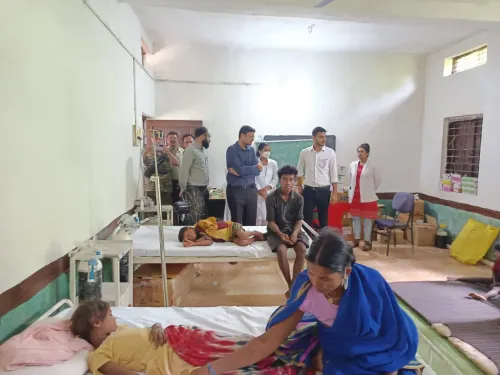
More than 20 patients , mostly children, are hospitalised at MGM Medical College and Hospital, Jamshedpur ; several in critical condition.
Over 14 new cases detected in screening drives, including a nine-month-old infant from the Sabar tribal community .
A private clinic in Potka has been sealed and a show-cause notice issued over alleged negligence in treating one of the deceased children.
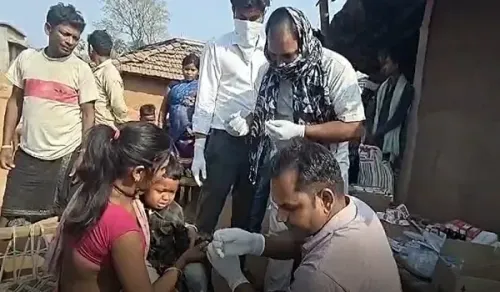
Health teams have screened over 600 residents across nine villages ; door-to-door surveys and mosquito control measures are ongoing.
At least three children have died within 48 hours in the Potka block of East Singhbhum district, Jharkhand, due to cerebral malaria, officials confirmed on Sunday, 28 June. The deaths have triggered a serious public health emergency, prompting authorities to launch a mass-scale medical survey across nine affected villages.
The Children Who Died
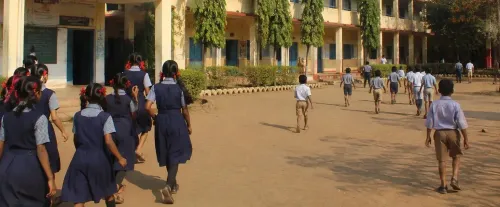
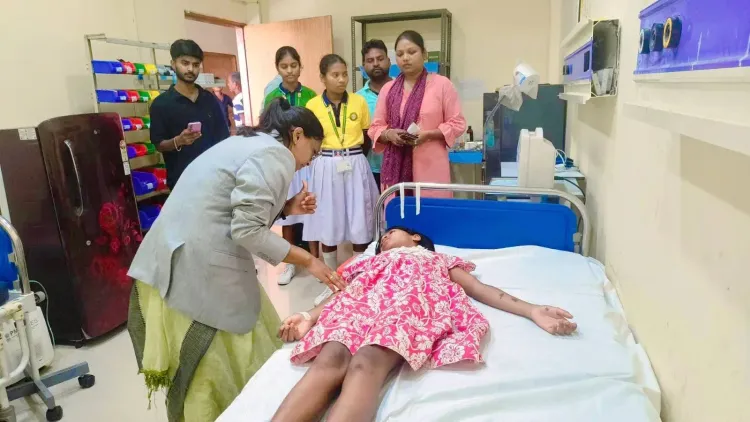
The deceased have been identified as Lakhkhi Sardar, a Class VII student of PM Shri Kasturba Gandhi Residential School; Rahul Sardar, aged 8, from Daudrodia village; and Subola Sardar, aged 8, from Kandar village. Subola's one-year-old sister, Khushboo Sardar, has also contracted the infection and is currently on ventilator support in the Pediatric Intensive Care Unit (PICU) at Mahatma Gandhi Memorial (MGM) Medical College and Hospital in Jamshedpur.
Scale of the Outbreak
More than 20 patients — many of them children — have been admitted to MGM Hospital, with several reported to be in critical condition. During intensive screening drives, over 14 new cases have been detected, including three students from the Kasturba Gandhi school and a nine-month-old infant from the Sabar tribal community. Health teams have screened over 600 residents in the affected areas through special medical camps.
What Officials Said
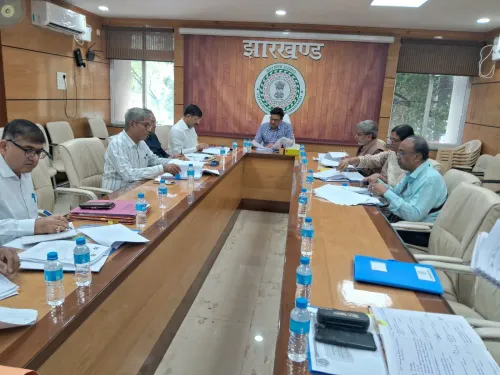
District Surveillance Officer Dr Asad confirmed that the onset of the monsoon has triggered an unexpected spike in malaria and cerebral malaria cases across the affected villages. He confirmed the child fatalities and noted that fresh cases continue to emerge. A high-level health department team that inspected the Potka Community Health Centre expressed concern over inadequate resources, issuing instructions for the immediate supply of additional spray pumps, rapid diagnostic test (RDT) kits, and essential life-saving medicines.
Negligence Allegations and Administrative Action
Amid the crisis, the district administration has sealed a private clinic in Potka following allegations of negligence in the treatment of Lakhkhi Sardar. Investigations reportedly revealed that despite clear symptoms of cerebral malaria, proper treatment was not administered. A show-cause notice has been issued to the clinic operator.
Containment Measures and Public Advisory
The health department has intensified surveillance, large-scale screening, and medical intervention across nine villages in Potka. A mass fever survey, door-to-door screening, and mosquito-borne disease control measures are underway. Medical officials have urged residents not to ignore symptoms such as high fever, chills, headache, vomiting, unconsciousness, or seizures, and to seek immediate medical attention. Authorities have also advised the use of mosquito nets, full-sleeved clothing, and prevention of water stagnation near homes. With fresh cases still emerging, the situation in East Singhbhum remains under close watch.
Point of View
Not one that emerged from it. Cerebral malaria is treatable when caught early; that it was not in at least one documented case raises hard questions about diagnostic capacity and referral protocols in Potka's health infrastructure. The monsoon arrives every year in Jharkhand, and so does malaria — the surprise should not be the outbreak but the unpreparedness. District health authorities must answer why RDT kits and spray pumps were not already in position before the rains began.
NationPress
26 Sept 2026
Frequently Asked Questions
What is cerebral malaria and why is it dangerous for children?
Cerebral malaria is a severe complication of Plasmodium falciparum malaria in which the infection affects the brain, causing seizures, unconsciousness, and, if untreated, death. Children are especially vulnerable because the disease can progress rapidly, and delays in diagnosis or treatment sharply increase the risk of fatality.
How many children have died in the East Singhbhum malaria outbreak?
At least three children — Lakhkhi Sardar, Rahul Sardar (8), and Subola Sardar (8) — died within 48 hours in the Potka block of East Singhbhum, Jharkhand, according to officials. A one-year-old sibling of one of the deceased is on ventilator support at MGM Hospital.
What action has the government taken in response to the outbreak?
The health department has launched mass fever surveys, door-to-door screening, and mosquito control measures across nine villages in Potka. A private clinic has been sealed over alleged negligence, a show-cause notice issued to its operator, and a high-level team has ordered immediate supply of RDT kits, spray pumps, and life-saving medicines to the Potka Community Health Centre.
Who is most at risk in the affected area?
Children and members of the Sabar tribal community appear to be disproportionately affected, based on current case data. A nine-month-old infant from the Sabar community was among the newly detected cases, and multiple students from the Kasturba Gandhi Residential School have also tested positive.
What symptoms should residents watch out for?
Health officials have advised residents to seek immediate medical attention if they experience high fever, chills, headache, vomiting, unconsciousness, or seizures. Preventive measures recommended include using mosquito nets, wearing full-sleeved clothing, and eliminating water stagnation near homes.