Malaria in Jharkhand: 16,728 cases in six months, Singhbhum districts worst hit
Synopsis
Jharkhand logged 16,728 malaria cases in just six months — and nearly three-quarters of them came from two districts. With dengue rising in Ranchi simultaneously, the state's vector-borne disease burden is pushing authorities toward a rare multi-department response model that goes well beyond the Health Department.
Key Takeaways
Jharkhand recorded 16,728 malaria cases between January and June 2026 , according to the state Health Department.
East Singhbhum ( 6,527 cases ) and West Singhbhum ( 6,172 cases ) together accounted for nearly 76% of total cases.
77 dengue cases were reported in June 2026 alone, with Ranchi leading at 27 cases .
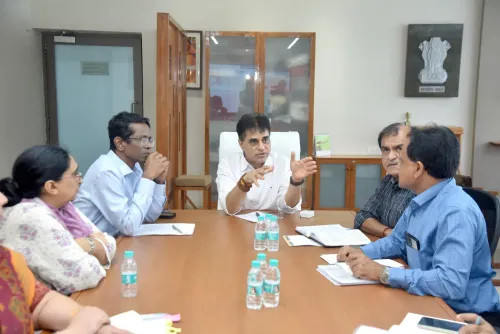
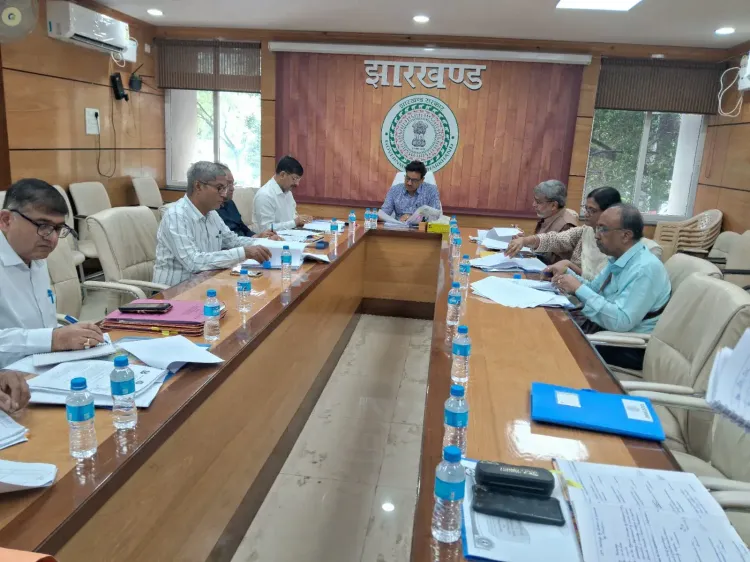
A state-level Task Force meeting chaired by the Additional Chief Secretary, Health was held at Nepal House, Ranchi on 30 July 2026 .
Officials directed to intensify surveillance, drug supplies, mosquito control, and inter-departmental coordination down to the panchayat level.
The Lymphatic Filariasis Elimination Programme and Mass Drug Administration (MDA) compliance were also reviewed at the meeting.
Malaria remains a critical public health challenge in Jharkhand, with 16,728 cases recorded across the state between January and June 2026, according to a Jharkhand Health Department statement released on Thursday, 30 July. The figures, presented at a state-level task force meeting in Ranchi, underscore the persistence of vector-borne disease burden in one of India's most vulnerable tribal belts.
Where the Burden Is Concentrated
Nearly 76 per cent of all malaria cases were concentrated in just two districts — East Singhbhum, which reported 6,527 cases, and West Singhbhum, which recorded 6,172 cases by June 2026. Together, the two districts accounted for close to three-fourths of the state's total malaria load, making them the epicentre of this outbreak cycle. Notably, both districts share borders with Odisha and West Bengal, regions that also carry high malaria endemicity, complicating containment efforts.
Dengue Adds to the Disease Burden
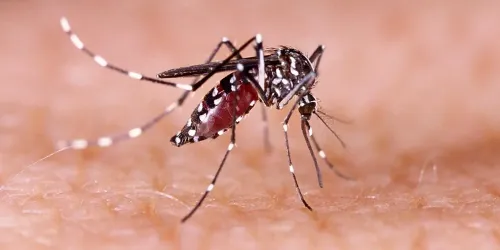
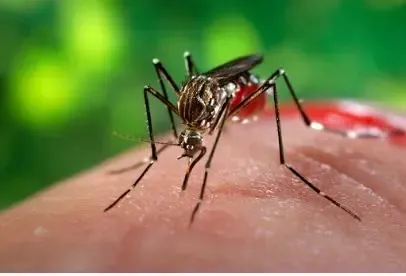
Alongside malaria, 77 dengue cases were reported in June 2026 alone, with the state capital Ranchi accounting for the highest share at 27 cases. The simultaneous rise of both mosquito-borne illnesses during the pre-monsoon and early monsoon period reflects a broader vector-borne disease pressure that health officials say demands multi-departmental action.
What the Task Force Meeting Directed
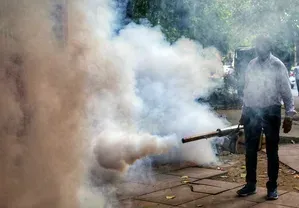
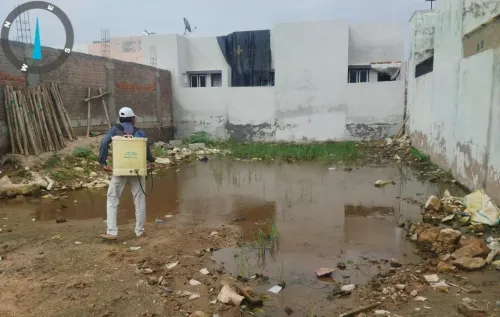
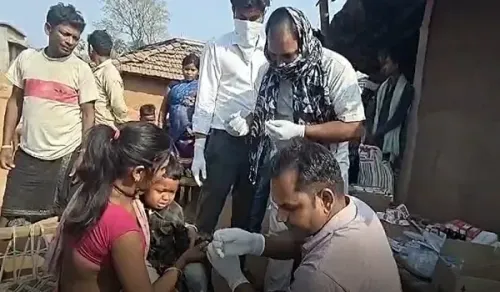
The figures were reviewed at a state-level Task Force meeting on vector-borne disease prevention, held at Nepal House in Ranchi and chaired by the Additional Chief Secretary, Health, Medical Education and Family Welfare. Officials were directed to intensify surveillance, ensure timely diagnosis and complete treatment, maintain adequate drug stocks, strengthen mosquito-control operations, and accelerate community awareness drives.
The Additional Chief Secretary stressed that tackling diseases such as malaria, dengue, chikungunya, kala-azar, lymphatic filariasis, and Japanese encephalitis cannot rest with the Health Department alone. He called for coordinated action across departments including Rural Development, Panchayati Raj, Urban Development, Education, Labour, and Drinking Water and Sanitation, and directed that responsibilities be clearly defined from the district level down to individual panchayats.
Lymphatic Filariasis Programme Under Review
The meeting also assessed progress under the Lymphatic Filariasis Elimination Programme. Officials were instructed to ensure that during the Mass Drug Administration (MDA) campaign, eligible beneficiaries not only receive medicines but consume them in the presence of trained health workers — a compliance gap that has historically weakened the programme's effectiveness.
Additional emphasis was placed on expanding access to hydrocele surgeries, ensuring adequate supplies of MMDP kits, improving treatment protocols for filariasis patients, and strengthening follow-up mechanisms at the grassroots level.
What Comes Next
With the monsoon season intensifying vector breeding conditions across Jharkhand, health authorities face a narrow window to scale up containment measures before case counts potentially climb further. The success of the multi-department coordination model being pushed at the state level will be closely watched in the coming weeks.
Point of View
Tribal forest cover, and proximity to high-endemicity states create conditions that annual campaigns have repeatedly failed to break. The multi-department coordination model announced at the task force meeting is the right instinct, but it has been proposed in previous cycles too; the question is whether responsibilities will be enforced with measurable targets or remain aspirational. Meanwhile, the simultaneous rise of dengue in Ranchi signals that urban vector control is lagging even as rural districts dominate the malaria count — a split that demands two different playbooks running in parallel.
NationPress
14 Sept 2026
Frequently Asked Questions
How many malaria cases were reported in Jharkhand in 2026?
Jharkhand recorded 16,728 malaria cases between January and June 2026, according to the state Health Department. The figures were presented at a state-level task force meeting in Ranchi on 30 July 2026.
Which districts in Jharkhand have the most malaria cases?
East Singhbhum and West Singhbhum are the worst-affected districts, together accounting for nearly 76% of the state's total malaria burden. East Singhbhum reported 6,527 cases and West Singhbhum reported 6,172 cases by June 2026.
What is the dengue situation in Jharkhand?
Jharkhand reported 77 dengue cases in June 2026 alone, with Ranchi recording the highest number at 27 cases. The simultaneous rise of dengue and malaria has increased pressure on the state's public health infrastructure.
What steps is the Jharkhand government taking to control malaria?
Authorities have directed officials to intensify surveillance, ensure timely diagnosis and complete treatment, maintain drug supplies, strengthen mosquito-control measures, and run public awareness campaigns. The state is also pushing for inter-departmental coordination spanning Rural Development, Panchayati Raj, Urban Development, Education, Labour, and Drinking Water and Sanitation.
What is the Lymphatic Filariasis Elimination Programme in Jharkhand?
It is a state programme aimed at eliminating lymphatic filariasis through Mass Drug Administration (MDA) campaigns. Officials at the 30 July task force meeting directed that eligible beneficiaries must consume medicines in the presence of trained health workers, and called for improved access to hydrocele surgeries and MMDP kits.