Malaria deaths in East Singhbhum: Jharkhand on alert, war-footing drive launched
Synopsis
Four malaria deaths in East Singhbhum have pushed Jharkhand into emergency mode — the state has ordered war-footing action plans, mandatory mass fever surveys, RDT kits for village health workers, and a three-tier weekly monitoring system. With the monsoon accelerating mosquito breeding, the response signals how seriously officials are treating what could become a wider outbreak.
Key Takeaways
At least four malaria patients have died in East Singhbhum district , prompting a statewide alert by the Jharkhand government on 1 July .
Ajay Kumar Singh , Additional Chief Secretary, Health Department, directed all deputy commissioners to implement emergency malaria control measures immediately.
Multipurpose Health Workers (MPWs) will conduct active field surveys; villages will receive RDT kits and anti-malarial medicines.
A mandatory mass fever survey must be conducted across any locality where a new malaria case is detected.
A three-tier review mechanism — weekly (CHC level), fortnightly (Civil Surgeons), and monthly (Deputy Commissioner) — has been introduced for sustained monitoring.
A large-scale public awareness campaign has been ordered alongside intensified insecticide spraying and larval control activities.
The Jharkhand government has issued a statewide malaria alert after at least four patients died in East Singhbhum district, triggering an emergency response that includes mandatory fever surveys, rapid diagnostic testing, and a three-tier monitoring mechanism. The directive was issued on Wednesday, 1 July, underscoring the administration's urgency to contain further fatalities.
Government Order and Key Directives
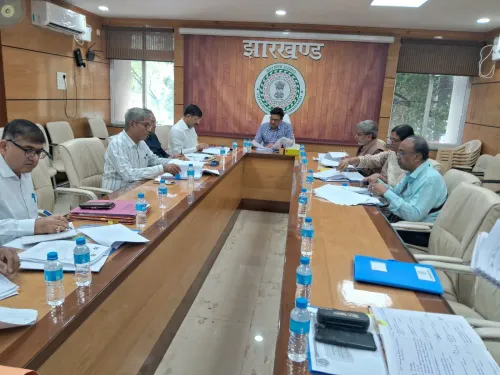
Ajay Kumar Singh, Additional Chief Secretary of the Health, Medical Education and Family Welfare Department, directed all deputy commissioners across the state to implement malaria prevention and control measures immediately. Districts reporting cases have been instructed to prepare action plans on a war footing, strengthen disease surveillance, and fix accountability at every administrative level.
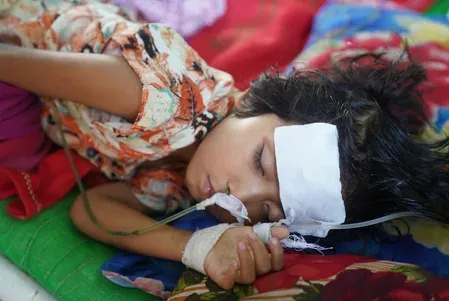
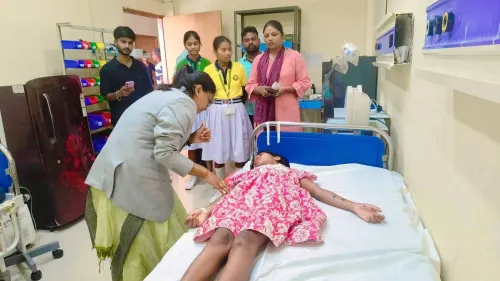
Critically ill malaria patients must be admitted to hospitals without delay, and confirmed cases are to receive treatment immediately upon diagnosis. Whenever a new case is detected in any locality, a mandatory mass fever survey covering the entire area will be conducted.
Field Measures and Testing Protocol
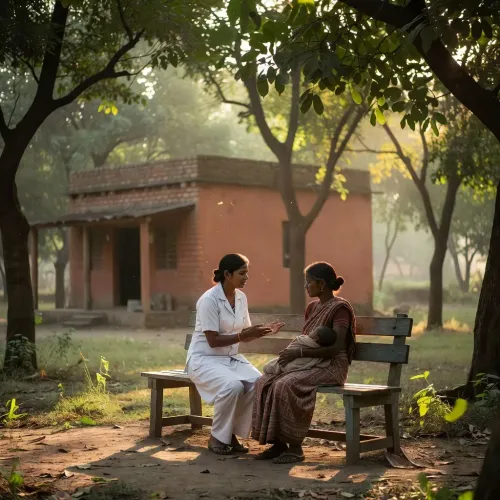
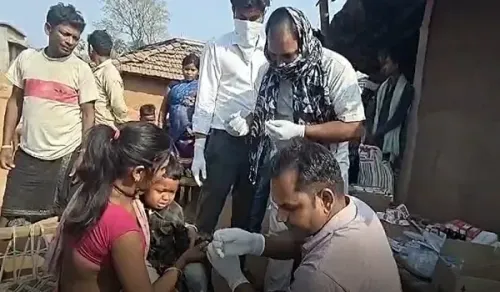
Active field surveys will be carried out in high-fever-incidence areas by Multipurpose Health Workers (MPWs). Health workers deployed in severely affected villages will be equipped with Rapid Diagnostic Test (RDT) kits and essential anti-malarial medicines. Community Health Centres (CHCs) have been directed to maintain adequate stocks of both testing materials and drugs.
Village-wise malaria data compilation has been ordered, enabling authorities to map hotspots and direct resources more precisely. Insecticide spraying and larval control activities are to be intensified across affected regions.
Three-Tier Monitoring Mechanism
To ensure sustained oversight, the department has introduced a structured review system: weekly reviews at the Community Health Centre level, fortnightly reviews by Civil Surgeons, and monthly district-level meetings chaired by the Deputy Commissioner. Singh has personally directed all deputy commissioners to monitor malaria control programmes and prevent further loss of life.
Public Awareness Campaign
A large-scale awareness drive has been ordered to encourage residents to seek timely testing and adopt preventive measures against mosquito-borne diseases. This comes amid concerns that delayed testing and treatment-seeking behaviour contribute to malaria fatalities in tribal and rural belts of Jharkhand — a state that has historically reported among the highest malaria burdens in eastern India.
With the monsoon season intensifying vector breeding conditions, health officials are expected to maintain heightened surveillance through at least the next several weeks.
Point of View
Treatable disease in a single district is a governance failure as much as a public health one. Jharkhand has long featured on national malaria burden maps, yet the response here is reactive — war-footing orders issued after fatalities, not before. The three-tier monitoring mechanism is sound on paper, but its value depends entirely on whether district machinery executes it consistently through the monsoon months, when vector pressure peaks. The deeper question is why RDT kits and anti-malarial stocks were not already pre-positioned in high-risk East Singhbhum villages before the deaths occurred.
NationPress
30 Sept 2026
Frequently Asked Questions
How many people have died of malaria in East Singhbhum, Jharkhand?
At least four malaria patients have died in East Singhbhum district, according to the Jharkhand government's alert issued on 1 July. The deaths prompted a statewide directive to all deputy commissioners to implement emergency control measures.
What action has the Jharkhand government taken after the malaria deaths?
The Health Department has ordered war-footing action plans across all affected districts, mandatory mass fever surveys when new cases are detected, deployment of RDT kits to village health workers, intensified insecticide spraying, and a three-tier monitoring review system. Additional Chief Secretary Ajay Kumar Singh issued the directive on Wednesday.
What is the three-tier malaria monitoring mechanism in Jharkhand?
The system comprises weekly reviews at the Community Health Centre level, fortnightly reviews by Civil Surgeons, and monthly district-level meetings chaired by the Deputy Commissioner. It is designed to ensure continuous oversight of malaria control programmes through the high-risk monsoon period.
Who is at risk from the malaria outbreak in Jharkhand?
Residents of East Singhbhum and other districts reporting high fever incidences are at immediate risk. Jharkhand's tribal and rural communities historically face a disproportionate malaria burden, and the ongoing monsoon season heightens vector breeding conditions statewide.
What preventive measures are being taken for the public?
Authorities have launched a large-scale public awareness campaign urging residents to seek timely testing and adopt mosquito-prevention practices. Community Health Centres have been directed to maintain adequate stocks of testing materials and anti-malarial drugs for immediate access.