Three workers rescued from sewage tank at Ahmedabad's U.N. Mehta Hospital
Synopsis
Three maintenance workers collapsed inside an underground sewage tank at Ahmedabad's U.N. Mehta Hospital on 6 July after inhaling toxic gases — a textbook confined-space emergency that fire teams from two stations resolved within minutes. The incident puts a spotlight on a persistent and often fatal occupational hazard that disproportionately affects contractual workers at public infrastructure sites across India.
Key Takeaways
Three workers — Pravin Vaghela , Sahil Nadiya , and Rocky Macwan — lost consciousness inside an underground sewage tank at U.N.
Mehta Hospital, Ahmedabad on 6 July .
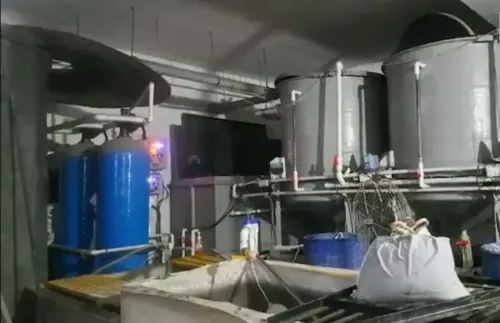
The incident occurred during maintenance work involving sewage tank cleaning and electric motor repair in the hospital's drainage system.
Toxic gas inhalation in the confined underground space is the suspected cause of unconsciousness.
Rescue teams from Shahpur and Naroda fire stations, led by Station Officers Bhavesh Rawat and Yuvrajdan Gadhvi , carried out the extraction.
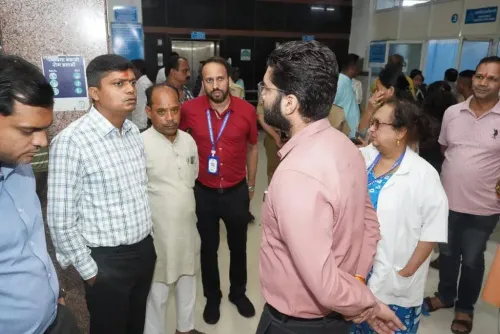
Ahmedabad Mayor Hitesh Barot visited the site; the condition of the workers was not immediately confirmed.
Authorities are expected to examine the circumstances further.
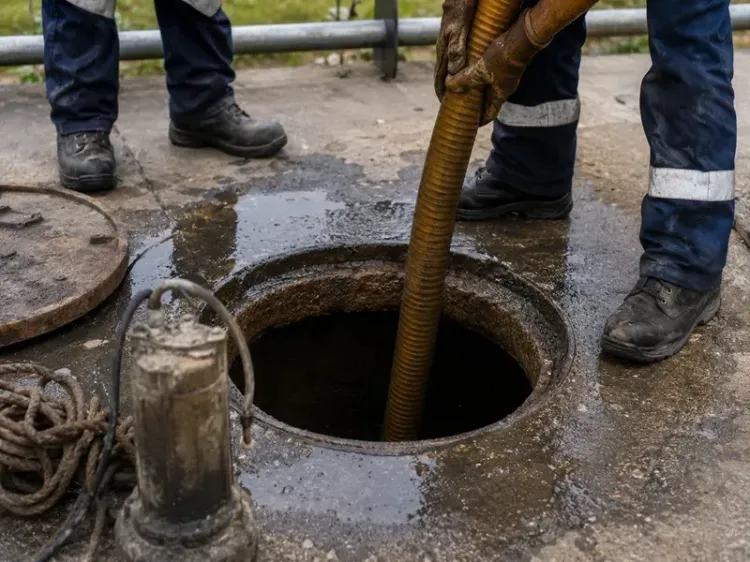
Three workers were rescued and hospitalised after losing consciousness inside an underground sewage tank at the U.N. Mehta Hospital campus in Ahmedabad on Monday evening, 6 July. The incident occurred during routine maintenance work on the facility's underground drainage system, and all three were pulled out in a coordinated operation by city fire and rescue teams.
How the Incident Unfolded
According to the Ahmedabad Fire and Emergency Services, the maintenance crew was engaged in cleaning the underground sewage tank and repairing an electric motor installed in the hospital's drainage system when the situation turned critical. Worker Pravin Vaghela fell unconscious while cleaning the tank and dropped from ground level into the partially filled chamber below.
Two colleagues — Sahil Nadiya and Rocky Macwan — descended into the tank in an attempt to pull him out, but both also lost consciousness, reportedly after inhaling toxic gases present in the confined space. Such incidents are a known occupational hazard in sewage and drainage maintenance, where oxygen-deficient or gas-laden environments can incapacitate workers within seconds.
Emergency Response
The Ahmedabad Fire Control Room received a distress call about the incident at 7.25 pm. Shahpur Fire Station had already been alerted by a member of the public a minute earlier, at 7.24 pm, while Naroda Fire Station received a separate call at 7.28 pm. Rescue teams from both stations were immediately dispatched to the hospital campus.
The Shahpur unit was led by Station Officer Bhavesh Rawat, who arrived with an Emergency Response Team. The Naroda unit, headed by Station Officer Yuvrajdan Gadhvi, reached the site with an Emergency Response Vehicle and additional rescue personnel. Firefighters executed a coordinated extraction, bringing all three workers out of the tank safely before transferring them for medical treatment.
Officials at the Scene
Ahmedabad Mayor Hitesh Barot and other civic officials reached the hospital campus and were briefed on the rescue operation. The condition of the three workers was not immediately known, and the circumstances surrounding the incident are expected to be examined further by authorities.
A Recurring Hazard
This is not an isolated occurrence. Deaths and injuries from toxic gas exposure in confined underground spaces — sewage tanks, manholes, and drainage pits — are reported regularly across India, often involving contractual or daily-wage workers with limited safety equipment. Notably, national guidelines mandate the use of gas detectors and personal protective equipment before entry into such spaces, though compliance at the ground level remains inconsistent. The Ahmedabad incident underscores the urgent need for stricter enforcement of confined-space safety protocols at public infrastructure sites, including hospitals.
Point of View
Where safety oversight is presumed higher than average. That three workers could enter a toxic confined space without gas detection equipment or a standby rescue protocol points to a systemic failure, not a one-off lapse. India loses dozens of workers each year to sewage and manhole asphyxiation, yet enforcement of confined-space entry norms remains weak, particularly for contractual labour. The presence of the city mayor at the scene is a political optic; the harder question is whether the maintenance contract specified — and verified — mandatory safety equipment use before entry.
NationPress
5 Oct 2026
Frequently Asked Questions
What happened at U.N. Mehta Hospital in Ahmedabad on 6 July?
Three maintenance workers lost consciousness inside an underground sewage tank at U.N. Mehta Hospital in Ahmedabad on the evening of 6 July while carrying out drainage maintenance work. They were rescued by fire department teams and taken to hospital for treatment.
Why did the workers lose consciousness?
The workers are suspected to have inhaled toxic gases present inside the confined underground sewage tank. Such enclosed spaces can accumulate hydrogen sulphide and other hazardous gases that rapidly deplete oxygen and cause unconsciousness.
Who carried out the rescue operation?
Rescue teams from Shahpur and Naroda fire stations responded to the emergency. The Shahpur team was led by Station Officer Bhavesh Rawat and the Naroda team by Station Officer Yuvrajdan Gadhvi; both units worked together to extract all three workers from the tank.
What is the condition of the rescued workers?
The condition of the three workers — Pravin Vaghela, Sahil Nadiya, and Rocky Macwan — was not immediately known after they were shifted to hospital for medical treatment.
Is this type of incident common in India?
Yes, deaths and injuries from toxic gas exposure in underground sewage tanks, manholes, and drainage pits are reported regularly across India, often involving contractual workers with inadequate safety gear. National guidelines require gas detectors and protective equipment before confined-space entry, but compliance is frequently poor.