Gulmarg cable car rescue: 320 stranded saved in 6-hour operation, DGP hails teams
Synopsis
A six-hour joint operation involving J&K Police, Army, NDRF, SDRF, and local rescuers brought all 320 people stranded in Gulmarg cable car cabins safely to ground — an operation the DGP admitted he feared could not be finished before midnight. Every rescuer is to receive a DG Commendation Medal.
Key Takeaways
320 people stranded in cable car cabins at Gulmarg were rescued safely in a six-hour operation on Tuesday, 26 May .
DGP Nalin Prabhat called it the toughest challenge faced by J&K Police , admitting he had not expected completion before midnight.
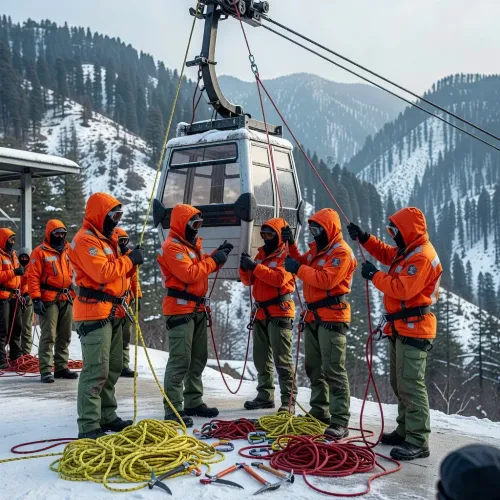
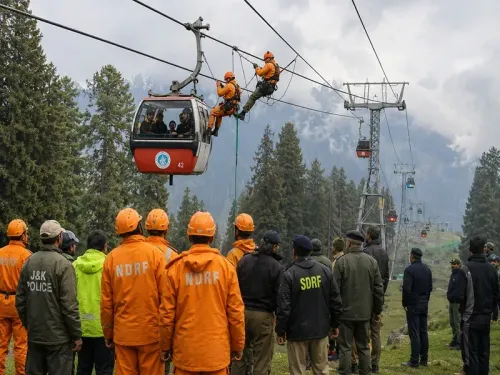
Rescue was carried out jointly by Gulmarg Police , Army , NDRF , SDRF , J&K Armed Police , Mountain Rescue Teams, and local rescuers.
Every participant in the operation will receive the DG Commendation Medal ; those already holding the certificate will be rewarded via promotions.
Senior officers including Special DGP Javaid Mujtaba Gilani and IGP Kashmir V.K.
Birdi supervised the operation on site.
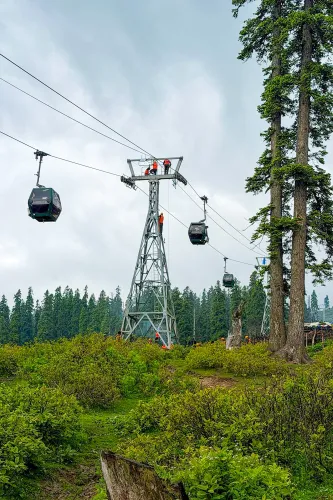
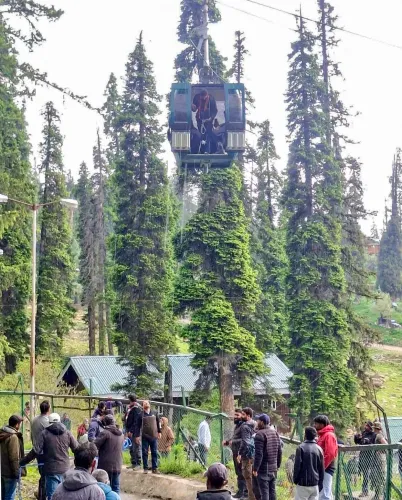
Jammu and Kashmir DGP Nalin Prabhat on Tuesday called the rescue of 320 people stranded in cable car cabins at Gulmarg the toughest challenge his force had faced, lauding the joint operation as a proud moment for all agencies involved. The six-hour rescue, carried out in difficult mountainous terrain amid adverse weather, was completed successfully without any fatalities.
How the Rescue Unfolded
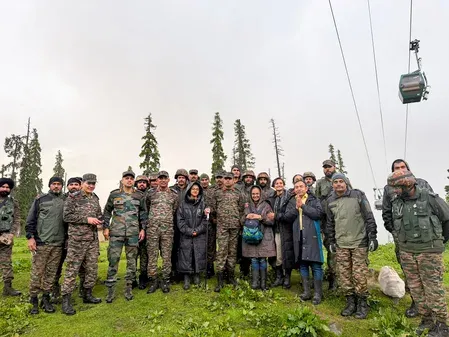
Personnel from the Gulmarg Police Station were the first to reach the site, rapidly joined by the Army, J&K Armed Police, National Disaster Response Force (NDRF), State Disaster Response Force (SDRF), and local rescuers. According to DGP Prabhat, all teams worked in a coordinated and professional manner throughout the operation, bringing all 320 stranded individuals safely to the ground.
'Teams from the Gulmarg police station were the first to reach the site, but they were immediately joined by the Army, J&K armed police, NDRF, SDRF and local rescuers. All of them worked in the most coordinated and professional manner to successfully complete the rescue operation and bring down 320 stranded people,' the DGP said.
What the DGP Said
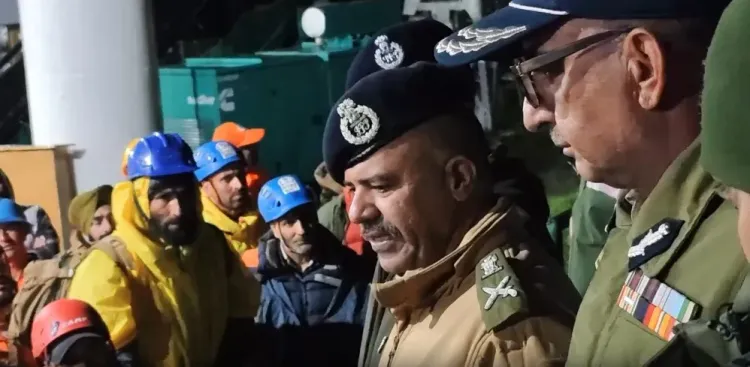
Speaking candidly to the assembled rescue teams, DGP Prabhat admitted he had not expected the operation to conclude before midnight. 'Honestly speaking, I didn't believe we could complete the task before midnight. It is a proud moment for me to stand with you,' he told the personnel. He also noted that aerial cable rescues in mountainous terrain are significantly more demanding than ground-based rescue operations.
Senior officers including Special DGP Javaid Mujtaba Gilani, Special DG and Commandant General Home Guards Abdul Ghani Mir, and IGP Kashmir V.K. Birdi were present on site during the supervision of the operation.
Recognition for Rescuers
DGP Prabhat announced that every individual who participated in the rescue would receive the DG Commendation Medal in recognition of their bravery and dedication. Personnel who already hold DG commendation certificates will be rewarded through alternate means, including promotions. 'You may be tired, hungry and thirsty, but I am sure all of you are happy because you were given a purpose today and you achieved success,' he said.
Context and Significance
The Gulmarg gondola is one of Asia's highest cable car systems and a major tourist attraction in Jammu and Kashmir, drawing thousands of visitors each season. Stranding incidents in high-altitude cable systems are rare but carry extreme risk due to exposure, altitude, and the complexity of aerial extraction. This is among the largest-scale cable car rescue operations recorded in the region. The incident underscores the operational readiness of multi-agency disaster response frameworks in the Kashmir Valley, particularly as the tourist season peaks. Going forward, authorities are expected to review cable car safety protocols and emergency response procedures at the site.
Point of View
But it also raises a question that rarely gets asked after such events: why were 320 people left stranded in the first place? High-altitude cable systems require robust real-time weather monitoring and pre-emptive suspension protocols. The DGP's candid admission that he doubted a midnight completion suggests the operation was improvised under pressure rather than executed from a rehearsed playbook. The commendations are well-earned — but the harder accountability question is whether Gulmarg's gondola operator and tourism authorities had adequate emergency procedures in place before the incident, not after.
NationPress
24 Sept 2026
Frequently Asked Questions
How many people were rescued from the Gulmarg cable cars?
A total of 320 people were rescued from stranded cable car cabins at Gulmarg in Jammu and Kashmir. The operation was completed in approximately six hours without any reported fatalities.
Which agencies took part in the Gulmarg cable car rescue?
The rescue involved personnel from Gulmarg Police Station, the Indian Army, J&K Armed Police, NDRF, SDRF, Mountain Rescue Teams, and local rescuers. DGP Nalin Prabhat praised all teams for their coordinated and professional conduct.
What did J&K DGP Nalin Prabhat say about the operation?
DGP Prabhat called it the toughest challenge faced by J&K Police and admitted he had not believed the task could be completed before midnight. He described it as a proud moment and announced DG Commendation Medals for every rescuer involved.
What recognition will the rescuers receive?
Every person who participated in the Gulmarg cable car rescue will receive the DG Commendation Medal. Personnel who already hold the DG commendation certificate will be rewarded through other means, including promotions.
Why is a cable car rescue considered more difficult than a ground rescue?
According to DGP Prabhat, rescuing people stranded in aerial cable car cabins in difficult mountainous terrain amid bad weather is significantly more challenging than ground-based rescue operations. The combination of altitude, exposure, and the complexity of aerial extraction makes such missions exceptionally demanding.