CM Office: 33,700+ Women Turn Lakhpati in Pauri Garhwal
Synopsis
The Chief Minister's Office of Uttarakhand reports that more than 33,700 women in Pauri Garhwal district have achieved lakhpati status under the DAY-NRLM-linked Lakhpati Didi Yojana, marking a district-level milestone in the state's rural women's livelihood drive.
Key Takeaways
The Chief Minister's Office of Uttarakhand announced on July 28, 2026 that over 33,700 women in Pauri Garhwal have become lakhpati under the scheme.
The Lakhpati Didi Yojana targets women SHG members earning at least Rs 1 lakh per year through farm or non-farm activities.
The scheme is a component of DAY-NRLM , the central government's rural livelihoods mission launched in 2011 .
Pauri Garhwal is a hilly district historically challenged by out-migration and low female workforce participation.
Uttarakhand is using district-level lakhpati counts as an active monitoring and communication metric for its rural women's programme.
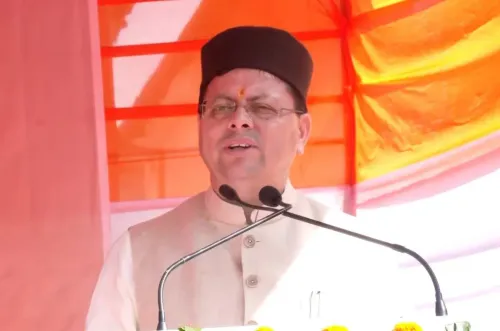
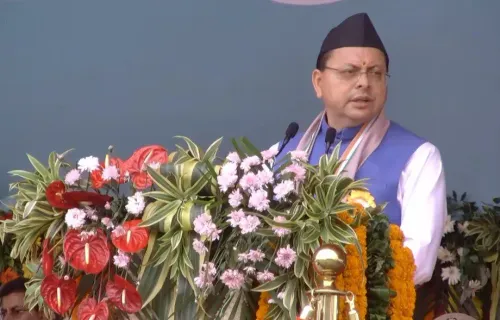
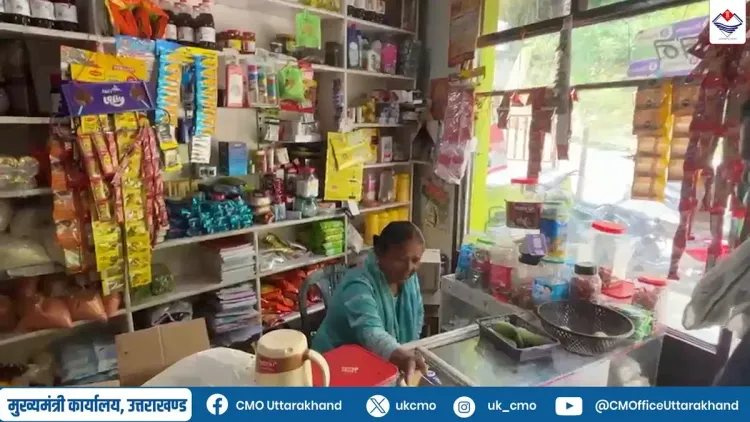
In the mist-covered hills of Pauri Garhwal, a quiet economic revolution is unfolding — one self-help group at a time. The Chief Minister's Office of Uttarakhand announced on Tuesday, July 28, 2026, that more than 33,700 women in the district have crossed the lakhpati threshold under the Lakhpati Didi Yojana, marking a significant milestone in the state's push for rural women's financial independence.
The post, shared in Hindi, stated: 'Pauri Garhwal janapad ki mahilaen 'Lakhpati Didi Yojana' ke zariye aatmnirbharta ke safar mein nirantar aage badh rahi hain' — ('Women of Pauri Garhwal district are steadily advancing on the path of self-reliance through the Lakhpati Didi Yojana').
What 'Lakhpati' Actually Means for a Hill District
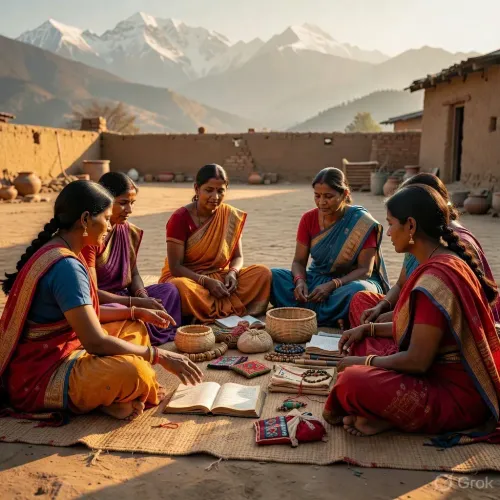
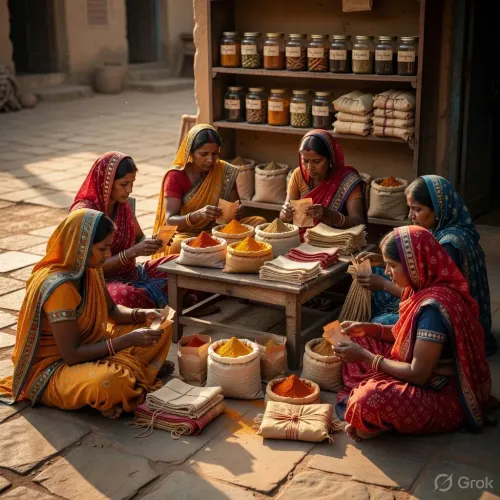
The Lakhpati Didi Yojana is a component of the Deendayal Antyodaya Yojana – National Rural Livelihoods Mission (DAY-NRLM), the central government's flagship programme launched in 2011 to organise rural poor households into self-help groups (SHGs) and drive sustainable livelihoods. The 'lakhpati' metric is specific: a woman must demonstrate annual household income of at least Rs 1 lakh through farm or non-farm activities — not a gift, not a welfare transfer, but earned income. For Pauri Garhwal, a largely rural, hilly district long defined by out-migration and thin local employment, that bar carries real weight. Families here have historically sent working-age men to plains cities for income; the SHG platform is one of the few structural levers pulling economic activity back to the hills.Uttarakhand's SHG Strategy Against the Migration Tide
Uttarakhand has leaned on the NRLM architecture specifically to counter two chronic problems: low female workforce participation and the steady drain of rural labour to urban centres. By channelling women into SHGs and then layering livelihood support — skill training, micro-credit, market linkages — the state aims to make staying economically viable. Achievement tracking of the lakhpati income threshold has become a standard monitoring metric across NRLM-implementing states, and district-level announcements like this one signal that Uttarakhand is using the metric actively to benchmark and publicise progress. Pauri Garhwal's count of over 33,700 lakhpati women is the figure cited by the CMO; independent income verification at the district level remains a watch point. The broader question now is whether state budget support for market linkages and advanced skill training will follow the headline numbers — turning a milestone into a sustained income floor for women across Uttarakhand's remaining hill districts.Point of View
Where out-migration has long undermined rural economies, the lakhpati count in a hill district like Pauri Garhwal doubles as a signal that the SHG platform is generating real retention value. The key policy question going forward is whether income verification rigour and market-linkage investment keep pace with the headline numbers. If they do, this model could anchor the state's broader hill-development narrative ahead of future electoral cycles.
NationPress
26 Oct 2026
Frequently Asked Questions
What is the Lakhpati Didi Yojana?
The Lakhpati Didi Yojana is a component of the DAY-NRLM that targets women in self-help groups to earn at least Rs 1 lakh per year through diversified farm and non-farm activities, making them financially self-reliant.
How many women have become lakhpati in Pauri Garhwal?
According to the Chief Minister's Office of Uttarakhand, more than 33,700 women in Pauri Garhwal district have achieved lakhpati status under the scheme as of July 2026.
What is DAY-NRLM and when was it launched?
The Deendayal Antyodaya Yojana – National Rural Livelihoods Mission (DAY-NRLM) is a central government programme launched in 2011 to organise rural poor households into self-help groups and promote sustainable livelihoods.
Why is Pauri Garhwal significant for this scheme?
Pauri Garhwal is a largely rural, hilly district in Uttarakhand that has historically faced out-migration and low female workforce participation, making the SHG-based livelihood model particularly impactful there.
What does 'lakhpati' mean in the context of this scheme?
'Lakhpati' refers to a woman who earns at least Rs 1 lakh annually through her own farm or non-farm economic activities — it is an income threshold, not a one-time benefit or transfer payment.