PMAY built 4 crore homes since 2014, says Gujarat Dy CM Sanghavi at NFSU
Synopsis
Gujarat Deputy CM Harsh Sanghavi used a youth engagement event at NFSU Gandhinagar to make the case that 4 crore permanent homes under PMAY have been the single biggest quality-of-life shift for India's poor since 2014 — framing brick-and-mortar housing as the foundation of the Viksit Bharat 2047 vision.
Key Takeaways
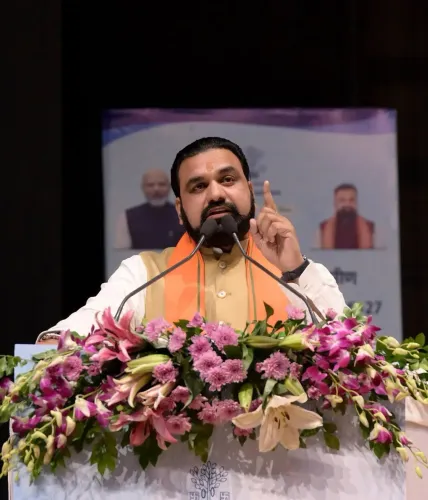
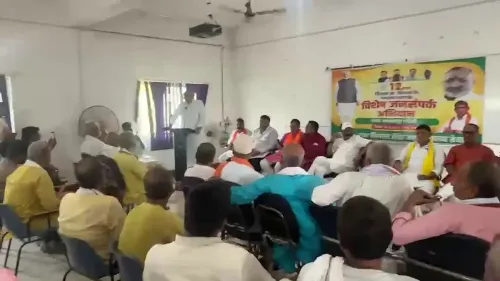
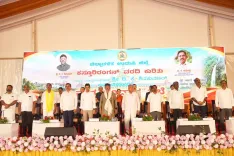
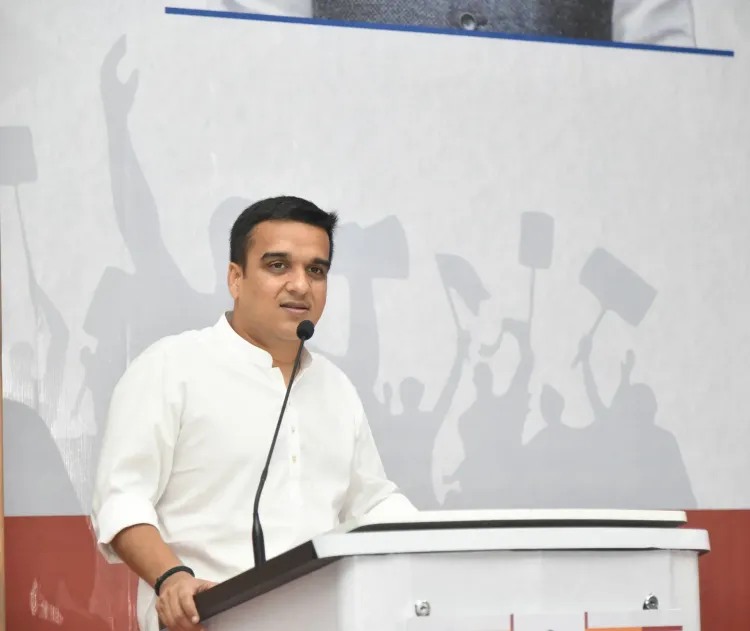
Gujarat Deputy CM Harsh Sanghavi addressed the 'NAMO Yuva Samvad: Viksit Bharat Blueprint' programme at NFSU, Gandhinagar on 19 June .
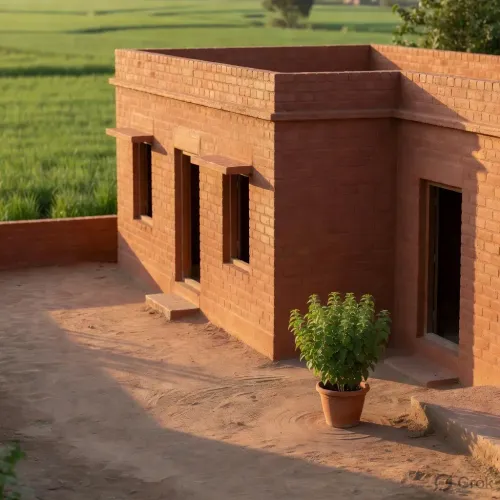
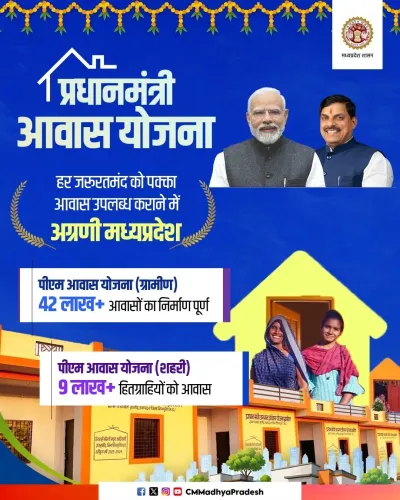
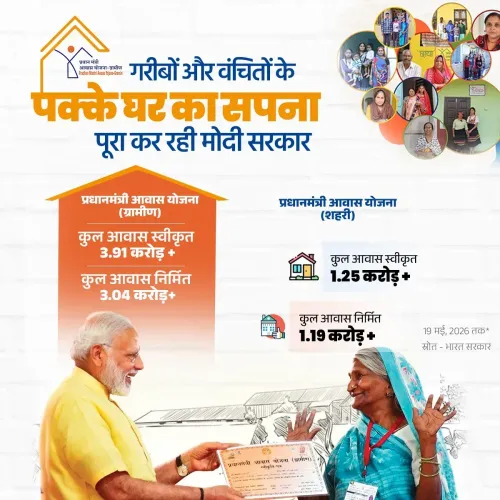
More than 4 crore permanent homes have been built under Pradhan Mantri Awas Yojana since 2014 , according to Sanghavi.
More than half of India's poor and middle-class families, previously outside the banking system, now have access to formal bank accounts.
India has developed 2.5 times more airports by 2026 compared to the total built from Independence until 2014.
Sanghavi released the book 'Narendra Modi Ek Sarjak' by Gujarat Sahitya Academy chairman Bhagyesh Jha at the event.
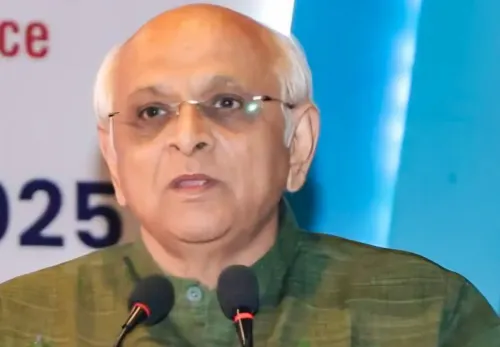
Gujarat Deputy Chief Minister Harsh Sanghavi on Friday, 19 June said that more than 4 crore permanent houses have been constructed across India over the past 12 years under the Pradhan Mantri Awas Yojana (PMAY), enabling lakhs of families who once lived in makeshift shelters to access dignified housing. He made the remarks while addressing the 'NAMO Yuva Samvad: Viksit Bharat Blueprint' programme at the National Forensic Sciences University (NFSU) in Gandhinagar.
Key Developments at the Gandhinagar Event
The programme was organised to engage young people in the vision of a developed India and to channel their ideas into the national development agenda. Deputy CM Sanghavi interacted directly with students and youth participants, speaking at length about the objectives of 'Viksit Bharat 2047' — the government's long-term blueprint for transforming India into a developed nation by the centenary of its independence.
The event also marked the celebration of 12 years of Prime Minister Narendra Modi's governance. During the programme, Sanghavi released a book titled 'Narendra Modi Ek Sarjak', authored by Gujarat Sahitya Academy chairman Bhagyesh Jha.
What Sanghavi Said on Housing and Financial Inclusion
Sanghavi said that before 2014, a large section of India's poor were compelled to live in temporary dwellings with little access to basic amenities. 'These figures are not merely government schemes but represent the nation's firm commitment to improving the standard of living of the poor,' he said.
On financial inclusion, he noted that more than half of the country's poor and middle-class families had previously remained outside the formal banking system. According to Sanghavi, those households now hold bank accounts for the first time — a shift he attributed to government-led financial outreach programmes initiated after 2014.
Infrastructure, Airports, and Rail Connectivity
The Deputy Chief Minister cited several infrastructure milestones, including the Delhi-Mumbai Expressway and the Atal Tunnel, which he said had significantly cut travel time and fuel costs. He added that by 2026, India had developed two-and-a-half times more airports than existed from Independence until 2014.
Through the UDAN scheme, he said, ordinary citizens and senior citizens are increasingly able to travel by air at affordable fares. On rail connectivity, Sanghavi said Vande Bharat trains and the upcoming Bullet Train project would not only save commute time but would positively influence the social lives of lakhs who travel daily for work.
GIFT City, Social Media, and a Message to Youth
Sanghavi highlighted the development of GIFT City in Gujarat, saying a project once dismissed by critics as a 'daydream' had evolved into a recognised global financial centre. He advised young entrepreneurs to build long-term, sustainable business models rather than chasing short-term gains.
Addressing the role of social media, Sanghavi urged young people to avoid spreading unverified rumours and misinformation, and instead seek out factual information. He also invoked Prime Minister Modi's personal journey as a source of inspiration, saying: 'When you feel disheartened, read about Prime Minister Narendra Modi's life and his books, and find the path forward through hard work.'
As India's youth engagement programmes intensify ahead of the Viksit Bharat 2047 timeline, events like these are expected to grow in frequency and scale across states.
Point of View
Completed, and occupied units. The broader claim of sectoral progress across agriculture, economy, and mobility is difficult to verify in a single speech and deserves scrutiny against ground-level data. That said, the financial inclusion shift — moving crores into the formal banking system — is one area where third-party data broadly corroborates the government's narrative.
NationPress
19 Sept 2026
Frequently Asked Questions
How many homes have been built under Pradhan Mantri Awas Yojana since 2014?
According to Gujarat Deputy Chief Minister Harsh Sanghavi, more than 4 crore permanent houses have been constructed across India under the Pradhan Mantri Awas Yojana (PMAY) over the past 12 years. The scheme has enabled lakhs of families previously living in temporary shelters to access permanent housing.
What is the 'Viksit Bharat 2047' vision mentioned at the NFSU event?
'Viksit Bharat 2047' is the Indian government's long-term blueprint to transform India into a developed nation by 2047, the centenary of its independence. Deputy CM Sanghavi described it as 'the resolve for the collective development of nearly 140 crore Indians.'
What is the NAMO Yuva Samvad programme?
The 'NAMO Yuva Samvad: Viksit Bharat Blueprint' is a youth engagement programme organised to encourage young people to actively participate in India's development agenda and connect their ideas with national policy goals. The Gandhinagar edition was held at the National Forensic Sciences University (NFSU).
What did Gujarat Deputy CM Sanghavi say about airports and rail connectivity?
Sanghavi said India had developed two-and-a-half times more airports by 2026 compared to all airports built from Independence until 2014. He also highlighted Vande Bharat trains and the upcoming Bullet Train as projects that would save commute time and improve the social lives of regular commuters.
What book was released at the NFSU Gandhinagar event?
Deputy CM Harsh Sanghavi released 'Narendra Modi Ek Sarjak', a book written by Gujarat Sahitya Academy chairman Bhagyesh Jha, at the NAMO Yuva Samvad programme in Gandhinagar on 19 June.