Ujjain toxic gas tragedy: 4 workers die cleaning tank at Hotel Shriganga
Synopsis
Four daily-wage workers died one by one inside a clogged food waste tank at a Ujjain restaurant on Saturday night — each entering to rescue the last, each overcome by toxic gas. The incident puts a spotlight on India's persistent failure to protect informal workers from confined-space hazards, with hotel management now facing a negligence probe.
Key Takeaways
Four workers — Kamlesh , Nitin , Wahid , and Manoj — died after inhaling toxic gas inside a food waste tank at Hotel Shriganga , Ujjain , on Saturday, 1 November 2026 .
The incident occurred at approximately 10:30 pm when a clogged chamber trapped one worker and three others entered sequentially to save him.
Three police personnel , including Sub-Inspector Dharmendra Singh Tomar and Constable Santosh , were injured during the rescue operation.
Sanitation worker Hemraj survived by exiting the chamber in time; one other worker was seriously injured.
Police are investigating whether gas safety checks were conducted and whether protective equipment was provided; hotel management faces potential negligence charges.
Four workers died and one was seriously injured after inhaling toxic gas inside a food waste tank at Hotel Shriganga on Dewas Road in Ujjain, Madhya Pradesh, late on Saturday night. Three police personnel were also injured during the rescue operation, which lasted over an hour and a half.
How the Tragedy Unfolded
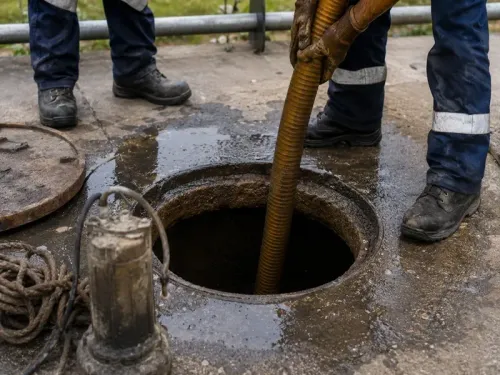
The incident occurred at approximately 10:30 pm when the restaurant's food waste tank became clogged. A worker entered the chamber to inspect the blockage and became trapped after being overcome by toxic fumes. Three colleagues then descended into the chamber one by one in an attempt to rescue him — each succumbing to the gas and suffocation in turn.
A fifth sanitation worker, Hemraj, managed to exit the chamber in time and survived, making him the sole worker to escape unharmed.
The Deceased and Their Families
The four victims have been identified as Kamlesh and Nitin, both residents of Valmiki Nagar; Wahid from Somwariya; and Manoj from Jhalawar. All were daily-wage labourers.
Shakir, father of one of the deceased, said he had no idea his son was in danger. 'I thought he had gone to work last night. He had taken his tiffin with him. I later discovered that he had died,' he said.
Rescue Operation and Police Response
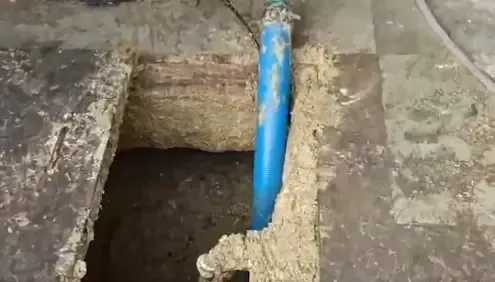
Madhav Nagar police and a rescue team rushed to the site after receiving information. As the chamber's opening could not be unlocked conventionally, it was cut open using a cutting machine. Despite police personnel administering CPR, none of the four workers could be revived.
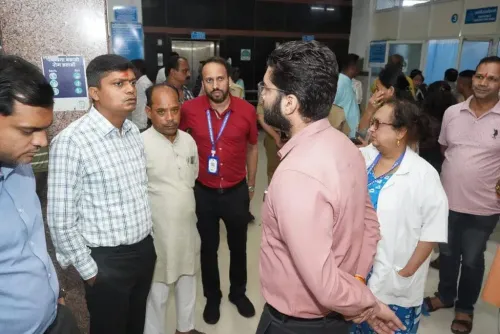
During the operation, Sub-Inspector Dharmendra Singh Tomar, Constable Santosh, and a third personnel sustained injuries. District Collector Roshan Kumar Singh and Superintendent of Police Pradeep Sharma personally inspected the site. Post-mortem examinations of all four bodies are being conducted at the district hospital.
Investigation Into Negligence
Police are now investigating whether safety protocols were followed before workers entered the chamber — specifically whether gas levels were checked and whether adequate safety equipment was provided. The role of hotel management and possible negligence are under scrutiny.
This incident reflects a recurring and lethal pattern in India: workers descending into confined spaces — septic tanks, sewers, industrial pits — without gas detectors, respiratory gear, or trained supervision. Dozens of similar deaths are reported across the country each year, often involving daily-wage labourers with no legal recourse.
Further legal action will be determined based on the post-mortem findings and investigation reports, according to police officials. Authorities are expected to file a case once the probe establishes the extent of the hotel management's liability.
Point of View
Workers die every year inside sewers, septic tanks, and waste chambers because employers skip the most basic safety steps: a gas detector costs less than ₹5,000, yet is routinely absent at such sites. The focus on hotel management's negligence is warranted, but the deeper failure is systemic: enforcement of the Prohibition of Employment as Manual Scavengers Act and allied safety regulations remains weak, and daily-wage labourers — with no formal contracts, no unions, and no insurance — bear the entire cost of that failure with their lives. The Ujjain administration's prompt inspection is visible accountability; a criminal case and a broader labour-safety audit of commercial establishments in the district would be the real test.
NationPress
1 Nov 2026
Frequently Asked Questions
What happened at Hotel Shriganga in Ujjain?
Four workers died after inhaling toxic gas inside a clogged food waste tank at Hotel Shriganga on Dewas Road, Ujjain, late on Saturday night. One worker entered to inspect a blockage, became trapped, and three others descended one by one to rescue him — all four were overcome by the gas and could not be revived.
Who were the workers who died in the Ujjain incident?
The four deceased have been identified as Kamlesh and Nitin from Valmiki Nagar, Wahid from Somwariya, and Manoj from Jhalawar. All were daily-wage labourers working at the restaurant.
Were any police personnel injured during the rescue?
Yes. Sub-Inspector Dharmendra Singh Tomar, Constable Santosh, and a third police personnel sustained injuries during the rescue operation. The chamber had to be cut open with a cutting machine as its opening could not be unlocked conventionally.
Is anyone being held responsible for the deaths?
Police are investigating whether gas levels were checked before entry, whether safety equipment was provided, and whether hotel management was negligent. Further legal action will be taken based on post-mortem findings and the investigation report, according to officials.
How common are such toxic gas deaths in India?
Deaths from toxic gas exposure in confined spaces — sewers, septic tanks, and waste chambers — are reported across India every year, typically involving daily-wage and informal workers who lack safety gear and supervision. The Ujjain incident follows a well-documented national pattern of occupational safety failures at commercial and residential sites.