400 BSF tradesmen dismissed over fake certificates seek reinstatement
Synopsis
Around 400 BSF tradesmen who cleared exams and served for two years are now jobless — dismissed over skill certificates they say were issued by cyber fraudsters posing as legitimate institutes on YouTube. With veterans backing their cause and a hunger strike at Jantar Mantar set for 9 October, the case exposes a serious gap in the government's own recruitment verification process.
Key Takeaways
Around 400 BSF tradesmen recruited via the PM's Rozgar Mela in 2024 were dismissed after their skill certificates were found to be fake.
The affected personnel — cooks, water carriers, waiters — say they were deceived by fraudulent institutes advertising on YouTube .
They cleared written exams, physical tests, and document verification before serving for nearly two years ; some received performance awards.
The Alliance of All Ex-Paramilitary Forces Welfare Association held a press conference on 30 September 2026 , demanding reinstatement.
A hunger strike at Jantar Mantar has been announced for 9 October if the government does not act.
Many dismissed personnel are now ineligible for alternative government jobs due to age-limit restrictions.
Around 400 tradesmen recruited into the Border Security Force (BSF) through the Prime Minister's Rozgar Mela initiative in 2024 have been dismissed from service after their skill certificates were found to be fraudulent — documents that the affected personnel say were unknowingly obtained from cyber fraudsters. Veterans and paramilitary welfare groups are now demanding their reinstatement, warning of a hunger strike at Jantar Mantar in New Delhi from 9 October if the government fails to act.
How the Fraud Unfolded
The tradesmen, recruited for lower-rank positions including cooks, water carriers, and waiters, cleared written examinations, physical tests, and document verification before being posted across various BSF battalions. They served for nearly two years — with some reportedly receiving commendations for their work — before authorities detected irregularities in their skill certificates.
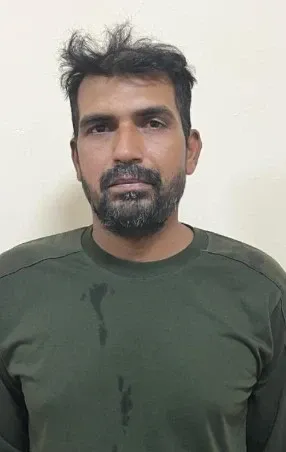
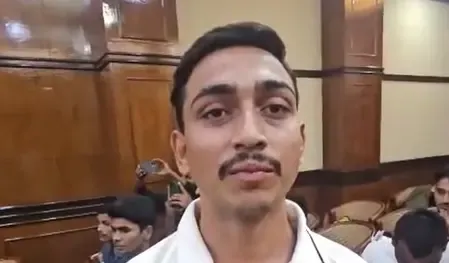
According to the affected personnel, they were deceived by fraudulent institutes that advertised certificate programmes on YouTube. Deepak, a resident of Delhi posted with the 155th Battalion in Ferozepur, Punjab, said he came across one such institute through the platform. 'We have been victims of cyber fraud. We are facing immense difficulties. My elder sister's wedding has been put on hold. This job meant a great deal to us; we had worked very hard to secure it,' he said. Deepak added that while legal action was reportedly taken against the fraudsters, those individuals were released after a few days and are allegedly continuing to operate their YouTube channel.
Veterans and Welfare Groups Rally Behind Dismissed Personnel
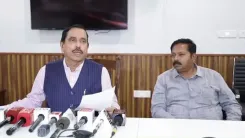
The Alliance of All Ex-Paramilitary Forces Welfare Association held a press conference at the Press Club of India in New Delhi on Wednesday, 30 September 2026, calling on the government to reinstate all dismissed personnel. The organisation argued that the recruits were themselves victims of fraud and should not bear the consequences of a system-level failure in document verification.
Ranbir Singh, General Secretary of the Association, said, 'In reality, the fault does not lie with the young recruits, but with those who issued the certificates; the recruits themselves have been victims of fraud.' HR Singh, President of the Association, described the situation as 'highly peculiar', noting that dismissing around 400 people over technical discrepancies — after they had served for two years, passed all screening stages, and in some cases received performance awards — warranted a humanitarian review. He also flagged that many of the dismissed personnel are now ineligible for alternative government employment due to age-limit constraints.
Retired BSF officer Gajendra Singh Chaudhary also lent his support, stating that the grounds cited for the dismissals were 'unfair and unsound'.
The Human Cost
For the dismissed tradesmen, the fallout extends beyond unemployment. Many come from economically vulnerable backgrounds and had relied on their BSF postings as a primary source of livelihood. With Diwali approaching, the Association made a pointed appeal, urging the government to reinstate the personnel so that '400 families can also celebrate the festival'. Deepak's situation is emblematic: he is now in financial crisis and has had to defer plans for his elder sister's wedding.
What Happens Next
The affected tradesmen and the Association have set a deadline for government response. If no action is taken, they plan to launch a hunger strike at Jantar Mantar beginning 9 October. The case is also expected to draw attention to broader vulnerabilities in the government's recruitment verification pipeline, particularly as online fraud targeting job aspirants through social media continues to grow. Whether the BSF and the Centre will review the dismissals on humanitarian or procedural grounds remains to be seen.
Point of View
Is the system's failure being passed entirely onto its victims? These were not desk employees — they passed physical tests, served two years, and some won commendations. Dismissing them collectively, rather than investigating the chain of responsibility, sets a troubling precedent for lakhs of job-seekers who rely on third-party certification ecosystems they have no means to authenticate. The looming Jantar Mantar protest also signals that cyber fraud's downstream victims — not just its direct targets — are becoming a growing constituency that demands policy attention.
NationPress
30 Sept 2026
Frequently Asked Questions
Why were 400 BSF tradesmen dismissed from service?
The 400 tradesmen were dismissed after their skill certificates, submitted during the recruitment process, were found to be fraudulent. According to the affected personnel and welfare organisations, they were deceived by cyber fraudsters who operated fake certification institutes, advertising on YouTube.
How were the tradesmen recruited into the BSF?
They were recruited in 2023–24 through the Prime Minister's Rozgar Mela initiative for lower-rank tradesman positions, including cooks, water carriers, and waiters. They cleared written examinations, physical fitness tests, and document verification before being posted and serving for nearly two years.
What are the dismissed BSF tradesmen demanding?
They are demanding full reinstatement into the BSF, arguing they were victims of cyber fraud rather than wilful wrongdoing. The Alliance of All Ex-Paramilitary Forces Welfare Association has backed the demand and announced a hunger strike at Jantar Mantar in New Delhi starting 9 October if the government does not respond.
Who is supporting the dismissed BSF tradesmen?
The Alliance of All Ex-Paramilitary Forces Welfare Association, led by President HR Singh and General Secretary Ranbir Singh, held a press conference at the Press Club of India on 30 September 2026 in support. Retired BSF officer Gajendra Singh Chaudhary also publicly backed their reinstatement.
What is the broader concern this case raises?
The case highlights a vulnerability in government recruitment pipelines, where third-party skill certificates — increasingly obtained through online channels — can be forged, yet recruits bear full liability when fraud is detected. Many of the dismissed personnel are now also age-barred from applying for alternative government posts, compounding their situation.