Lok Sabha Speaker approves 6 SS (UBT) MPs' merger with Shinde's Shiv Sena
Synopsis
Lok Sabha Speaker Om Birla has validated the merger of six Shiv Sena (UBT) MPs into Eknath Shinde's Shiv Sena, ruling the switch constitutionally sound under the anti-defection law. The move deepens the fracture in Uddhav Thackeray's parliamentary group just before the Monsoon Session — and Shinde's camp is wasting no time declaring it a sign of UBT's unravelling.
Key Takeaways
Lok Sabha Speaker Om Birla approved the merger of six SS (UBT) MPs with Eknath Shinde 's Shiv Sena on 19 July .
The ruling was grounded in the anti-defection law , which permits a merger when at least two-thirds of a legislative party's members consent.
The six MPs will now be counted as members of the Shinde faction in the Lok Sabha .
Shiv Sena leader Sanjay Nirupam said the move proves SS (UBT) is 'continuously shrinking, fracturing, and disintegrating.' Leader Shaina NC called the recognition an endorsement of Shinde's 'progressive style of politics.' SS (UBT) is expected to challenge the ruling, though the constitutional basis of the merger makes it difficult to overturn.
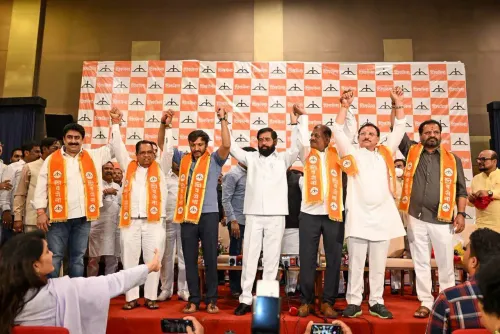
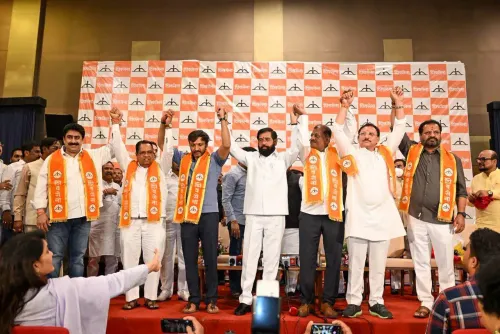
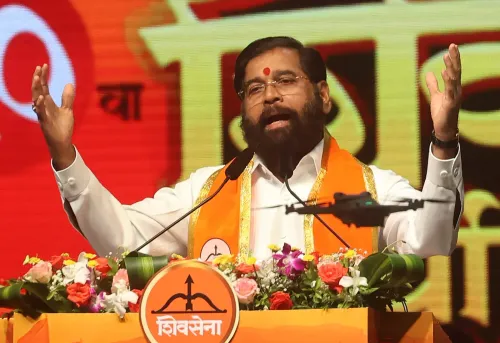
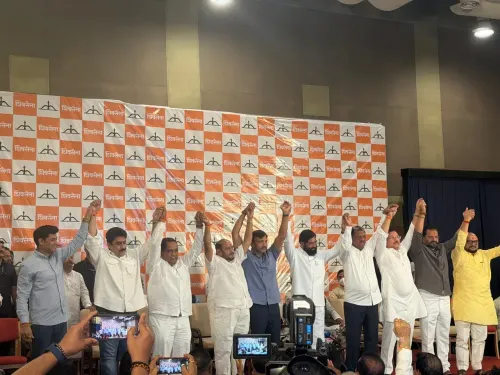
Lok Sabha Speaker Om Birla has approved the merger of six Shiv Sena (UBT) Members of Parliament with the Eknath Shinde-led Shiv Sena, validating the switch under the anti-defection law ahead of Parliament's Monsoon Session. The recognition, granted on Saturday, 19 July, means the six MPs will now be counted as members of the Shinde faction and no longer as part of Uddhav Thackeray's outfit.
Key Developments
The Speaker's ruling hinged on the anti-defection provisions that permit a merger if at least two-thirds of a legislative party's members endorse it. With six MPs crossing over, the threshold was met, giving the move constitutional cover. The ruling comes weeks before the Monsoon Session, sharpening factional lines within what was once a unified Shiv Sena.
What the Shinde Camp Said
Shiv Sena leader Sanjay Nirupam welcomed the Speaker's order, arguing it confirmed the move was entirely within the constitutional framework. 'These six MPs did not take any illegal steps; the law grants them the right to join any party if they command a two-thirds majority,' he said. Nirupam launched a pointed attack on Thackeray, asserting that public confidence in the SS (UBT) had eroded. 'It is continuously shrinking, fracturing, and disintegrating,' he remarked, adding that the party was invoking religious sentiment out of political desperation. In a sharp rhetorical flourish, he said: 'Reciting the Ram Raksha Stotra while being allied with the enemies of Ram is akin to Ravana reciting verses in praise of Ram.'
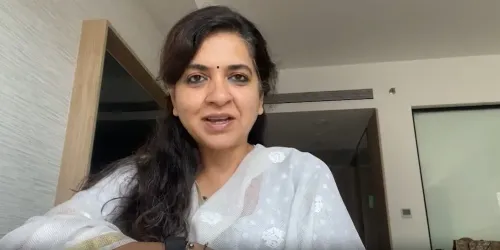
Shaina NC, another Shiv Sena leader, framed the recognition as an endorsement of Shinde's political vision. She said the development was 'an affirmation of leaders' faith in Eknath Shinde's progressive style of politics' and urged SS (UBT) to introspect over the continued exodus of its leaders and workers.
The Broader Political Context
The Shiv Sena split dates to June 2022, when Shinde led a rebellion that toppled the Maha Vikas Aghadi government and eventually secured the original party name and election symbol from the Election Commission of India (ECI). Thackeray's faction was subsequently recognised as Shiv Sena (UBT). The latest merger further chips away at the UBT's parliamentary presence, which critics argue weakens its leverage in the Lok Sabha ahead of key legislative sessions. Notably, this is not the first time anti-defection proceedings have shaped the post-split Sena landscape — the pattern has recurred at both state and national levels since 2022.
What Happens Next
The six MPs will now participate in Lok Sabha proceedings as members of the Shinde-led Shiv Sena, altering the party's seat count in the lower house. SS (UBT) is widely expected to legally challenge the Speaker's ruling, though the constitutional validity of the merger — anchored in the two-thirds threshold — makes a successful challenge difficult. Political observers will watch whether additional UBT legislators follow suit in the coming weeks.
Point of View
It further hollows out Thackeray's parliamentary presence at a moment when the UBT needs every seat to remain relevant in national legislative debates. The anti-defection law, designed to deter opportunistic floor-crossing, has paradoxically become the instrument through which the Shinde camp is consolidating gains — a pattern that raises legitimate questions about whether the law's two-thirds merger clause has become a loophole rather than a safeguard. What mainstream coverage underplays is the cumulative effect: each successive defection normalises the next, and the UBT's ability to credibly claim Sena's ideological legacy weakens with every MP it loses.
NationPress
18 Oct 2026
Frequently Asked Questions
Why did the Lok Sabha Speaker approve the merger of six SS (UBT) MPs?
Speaker Om Birla approved the merger because the six MPs met the anti-defection law's requirement of a two-thirds majority within their legislative party group, making the switch constitutionally valid. The ruling means they are now formally recognised as members of Eknath Shinde's Shiv Sena in the Lok Sabha.
What is the anti-defection law and how does it apply here?
The anti-defection law, enshrined in the Tenth Schedule of the Constitution, disqualifies MPs who voluntarily give up party membership or vote against party directions. However, it permits a merger if at least two-thirds of a legislative party's members agree to join another party, which is the provision the six UBT MPs invoked.
How does this affect Shiv Sena (UBT)'s strength in the Lok Sabha?
The merger reduces SS (UBT)'s parliamentary headcount, weakening its bargaining position in the Lok Sabha ahead of the Monsoon Session. It also signals continued erosion of Uddhav Thackeray's support base at the national level following the 2022 party split.
Can Shiv Sena (UBT) challenge the Speaker's ruling?
SS (UBT) is widely expected to mount a legal challenge, but the constitutional grounding of the merger — specifically the two-thirds threshold being met — makes a successful reversal difficult. Courts have historically been reluctant to interfere in Speaker's rulings on anti-defection matters unless there is a clear procedural violation.
What was the original Shiv Sena split about?
The split occurred in June 2022 when Eknath Shinde led a rebellion against Uddhav Thackeray's leadership, eventually bringing down the Maha Vikas Aghadi government. The Election Commission of India subsequently awarded the original Shiv Sena name and symbol to the Shinde faction, with Thackeray's group rebranded as Shiv Sena (UBT).