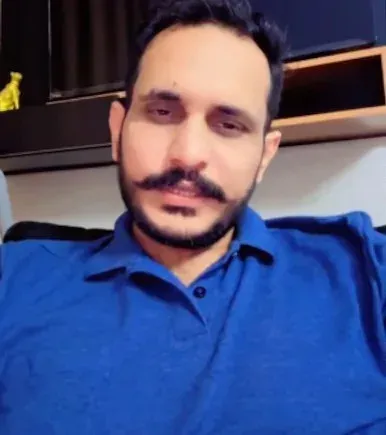
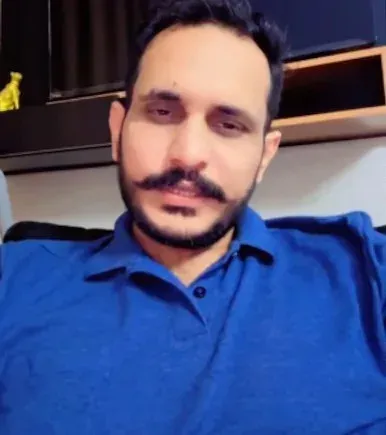
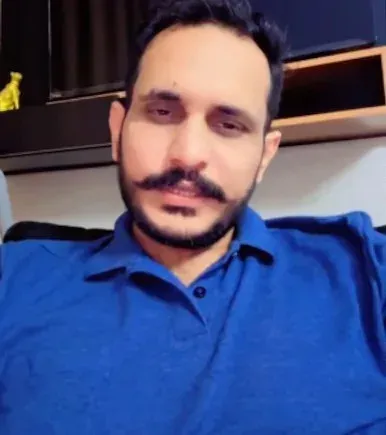
700 arrested: Shahzad Bhatti terror network eyes comeback with religious pitch
Synopsis
India arrested 700 people to dismantle the Shahzad Bhatti terror network — but the story does not end there. Now operating from Pakistan, Dubai and Portugal, Bhatti is rebuilding with a new weapon: religious identity. For as little as ₹3,000, he is reportedly recruiting youth to plan large-scale attacks, while fake passports are allegedly being arranged for their getaway.
Key Takeaways
Indian security agencies have arrested 700 individuals linked to proscribed terrorist Shahzad Bhatti in one of the most complex counter-terror operations in recent times.
Thwarted plans included covert CCTV installations at sensitive locations, targeted killings, and trafficking in drugs and counterfeit currency.
The network is regrouping with a religious-identity-based recruitment strategy , offering recruits as little as ₹3,000–₹5,000 , down from earlier cash lures.
Shahzad Bhatti , declared a proscribed terrorist under the UAPA , is reportedly based in Pakistan but has recently travelled to Dubai and Portugal .
The network has been linked to attacks on Punjab police , the BSF headquarters blast in Jalandhar , and a petrol bomb attack on the RSS headquarters in Jharkhand .
Over 100 Instagram takedown requests have been sent to Meta ; agencies say more than 50 new profiles emerge each time accounts are removed.
Indian security agencies have arrested 700 individuals linked to proscribed terrorist Shahzad Bhatti, dismantling a wide-ranging subversion network whose planned operations included covert surveillance installations at crowded locations, targeted killings, and cross-border drug and counterfeit currency trafficking, officials said on 6 November 2026. Despite the crackdown, intelligence authorities have warned that the Bhatti module is actively regrouping — this time with a sharper religious recruitment pitch.
Scale of the Crackdown
The dismantling of the Bhatti network is described by officials as one of the most operationally demanding counter-terror campaigns undertaken by Indian investigative agencies in recent memory. Around 700 people have so far been arrested on suspicion of working for the network, with the operations thwarting plans to place CCTV cameras at sensitive public spaces, execute targeted killings, and facilitate the trafficking of drugs and fake currency.
An official confirmed that while the primary operational grid has been largely broken, a cat-and-mouse pursuit of remaining operatives is ongoing. The challenge extends to social media: over 100 takedown requests for Instagram profiles linked to the network have been sent to Meta. “As the profiles are being taken down, over 50 new ones appear. This is, in fact, a big challenge for the agencies,” the official said.
From Lifestyle Lures to Religious Fervour
An Intelligence Bureau official explained that the network’s original recruitment model was explicitly non-religious. Youth from across communities were drawn in with cash incentives as low as ₹5,000 and shown photographs of Bhatti and his associates alongside expensive cars and luxury homes. “The handlers sold a dream to the youth, and this worked massively,” the official said, adding that those promises were never intended to be fulfilled.
Now, according to officials, Bhatti is pivoting. The new strategy deliberately combines religious identity, money, and lifestyle incentives, with religion taking centre stage. “This is a deliberate ploy. By invoking religious sentiments, the amount of money offered to recruits would be relatively small. The idea is to exploit the religious sentiments of young people during the recruitment process,” an official said. Cash offers as low as ₹3,000 to ₹5,000 are being paired with promises of relocation to Dubai, Pakistan, or Nepal.
Investigations have also revealed that the network has arranged fake passports for several recruits to enable flight from India following planned attacks. Officials characterised the overarching goal as building not merely a network, but “an army of youths who would fight for a religious cause.”
Bhatti’s Movements and Current Status
Intelligence agencies tracking Shahzad Bhatti said that following the initial crackdown and his designation as a proscribed terrorist under the Unlawful Activities Prevention Act (UAPA), Bhatti was relocated to Pakistan. However, he has since travelled to Dubai and Portugal in recent months and remains actively involved in overseeing the module and devising fresh operational strategies targeting India, according to officials.
Linked Attacks and Expanded Operational Scope
Investigators have linked the Bhatti network to a series of attacks, including assaults targeting police personnel in Punjab, the blast outside the Border Security Force (BSF) headquarters in Jalandhar, and a petrol bomb attack on the Rashtriya Swayamsevak Sangh (RSS) headquarters in Jharkhand. Officials warned that planned future operations follow a similar pattern but on a significantly larger scale.
Radicalisation and anti-India messaging are expected to continue through platforms such as Instagram, while planning and execution of high-intensity attacks will reportedly shift to encrypted platforms such as Telegram. The network’s brief, once limited to surveillance and trafficking, has expanded considerably as it seeks to rebuild.
Point of View
Making defection and detection harder. What is striking here is the documented fake-passport infrastructure, which signals that handlers are planning for high-consequence operations rather than low-level disruption. The social media dimension — 100 takedowns met with 50 new profiles — exposes a structural gap in India’s platform-cooperation framework with Meta. Until there is a faster, automated takedown protocol, each arrest on the ground will be partly neutralised online.
NationPress
6 Nov 2026
Frequently Asked Questions
Who is Shahzad Bhatti and why is he considered a threat?
Shahzad Bhatti is a proscribed terrorist under India’s Unlawful Activities Prevention Act (UAPA), whose network has been linked to targeted killings, covert surveillance operations, drug trafficking, counterfeit currency circulation, and attacks including the BSF headquarters blast in Jalandhar. Despite the arrest of around 700 of his alleged operatives, he remains active, reportedly overseeing the module from Pakistan while having recently travelled to Dubai and Portugal.
How many people have been arrested in connection with the Bhatti network?
Around 700 individuals have been arrested on suspicion of working for the Shahzad Bhatti terror network, according to officials. The crackdown is described as one of the most challenging counter-terror operations undertaken by Indian investigative agencies in recent times.
What is the Bhatti network’s new recruitment strategy?
According to Intelligence Bureau officials, the network is shifting from a purely money-and-lifestyle-based lure to one that heavily emphasises religious identity. Cash offers as low as ₹3,000–₹5,000 are now paired with religious appeals and promises of relocation to Dubai, Pakistan, or Nepal. Officials say fake passports have also been prepared for some recruits to facilitate escape after planned attacks.
Which attacks have been linked to the Bhatti network?
Police have linked the Bhatti module to attacks targeting police personnel in Punjab, the blast outside the BSF headquarters in Jalandhar, and a petrol bomb attack on the RSS headquarters in Jharkhand. Officials warn that future planned operations follow similar patterns but on a larger scale.
How is the Bhatti network using social media for recruitment?
The network primarily uses Instagram for radicalisation and spreading anti-India messaging, while encrypted platforms such as Telegram are used for planning and executing operations. Agencies have sent over 100 takedown requests to Meta, but officials say more than 50 new profiles appear each time existing ones are removed, posing a persistent challenge.