Shehzad Bhatti gang uses VPN to rebuild India network after crackdown
Synopsis
Even after a high-profile dismantling announced by Home Minister Amit Shah, the Shehzad Bhatti gang is reportedly pivoting to VPN-based recruitment and overseas Indian intermediaries to rebuild its ISI-backed surveillance network — with recruits lured for as little as ₹5,000. India's answer is the Sahyog portal, enabling automated real-time takedowns across Meta platforms.
Key Takeaways
The Shehzad Bhatti network, linked to Pakistan's ISI , has been largely dismantled by Indian agencies but is reportedly attempting to rebuild using VPN-based communication .
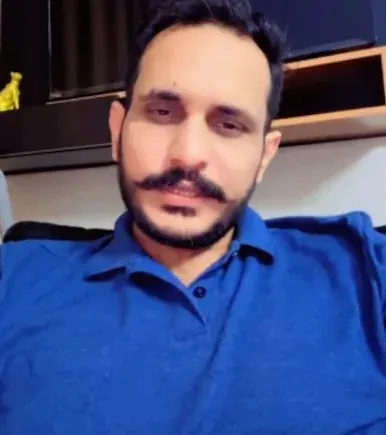
Bhatti publicly denied the crackdown's effectiveness, claiming in a video that his recruits remain active — a claim officials have called false.
Recruits are reportedly lured for as little as ₹5,000 to ₹10,000 to serve as ISI surveillance assets inside India.
Bhatti is now reportedly targeting Indians living abroad as intermediaries to recruit youth back home.
Meta has integrated Instagram and Facebook with India's Sahyog portal , enabling automated real-time content blocking under the IT Act .
Officials warn the counter-network effort will be continuous, as the ISI has reportedly directed Bhatti to sustain and rebuild his India operations.
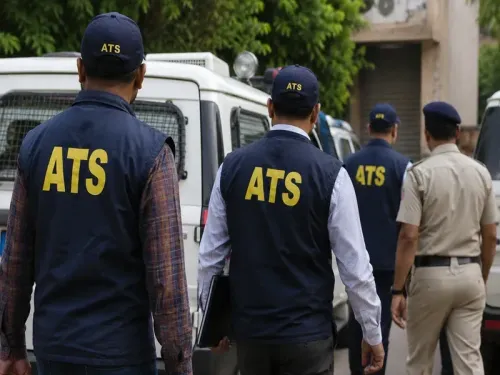
The Shehzad Bhatti gang, which allegedly recruited scores of Indian youth for criminal and surveillance activities on behalf of the Pakistani intelligence agency ISI, has largely been dismantled by Indian security agencies — but officials warn that Bhatti is now deploying new tactics, including the use of VPN, to rebuild his modules inside India.
How Bhatti Is Attempting a Comeback
Following the crackdown, most of Bhatti's social media accounts — primarily on Instagram — were taken down through legal requests coordinated by Indian agencies. In response, Bhatti has reportedly shifted to VPN-based communication to reach out to existing recruits and potential new targets, according to officials familiar with the matter. His associates are using similar methods to evade detection while continuing to scout for recruits on open social media platforms.
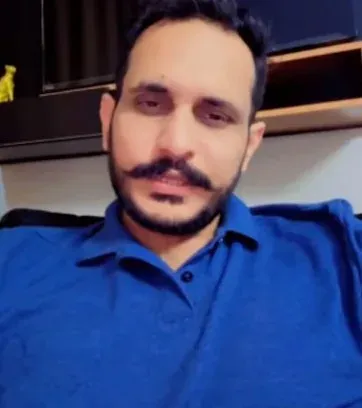
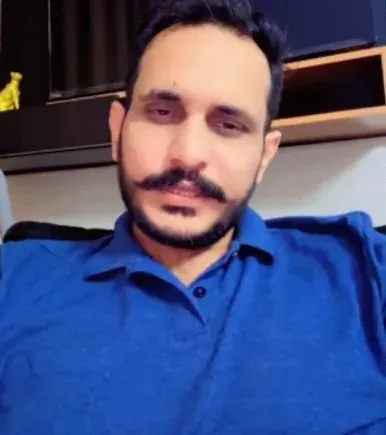
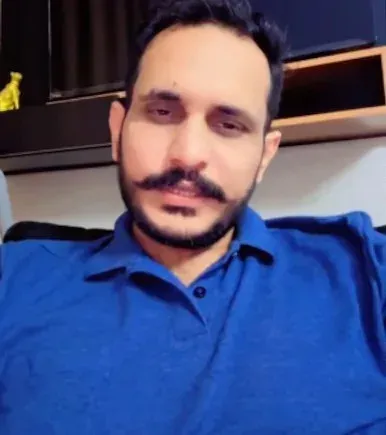
Notably, Bhatti publicly pushed back against claims of his network's dismantling. After Union Home Minister Amit Shah announced that the module had been destroyed, Bhatti released a video challenging the assertion, claiming those arrested were not his operatives and that all men recruited by him remained active. Officials have dismissed the claim as false.
The ISI Connection and Strategic Value
An Intelligence Bureau officer, speaking on condition of anonymity, described Bhatti as an ISI asset whose network is among the most cost-effective the Pakistani spy agency runs. Unlike high-cost outfits such as Lashkar-e-Tayiba or Jaish-e-Mohammad, the Bhatti network reportedly operates at a fraction of the cost — with recruits reportedly lured for as little as ₹5,000 to ₹10,000.
According to officials, the network's primary function is surveillance, not direct violence. Recruits are expected to serve as intelligence gatherers — providing continuous ground-level information to the ISI so that larger terror groups can plan and execute bigger attacks. The relatively low-risk nature of the role, officials say, makes it easier to recruit young, financially vulnerable individuals.
Recruiting Indians Abroad as a New Channel
Officials say Bhatti is now also in contact with Indians living abroad, with a plan to recruit them as intermediaries. These overseas recruits would then be tasked with identifying and luring targets back in India — creating an additional layer of operational distance from Bhatti himself and complicating surveillance by Indian agencies.
India's Counter-Measures: The Sahyog Portal
On the counter-intelligence front, Indian agencies have been systematically flagging and removing Bhatti-linked accounts. A significant development in this effort is Meta's integration of its platforms — Instagram and Facebook — with the Sahyog portal, developed by the Indian Cybercrime Coordination Centre (I4C). The portal enables automated, real-time content blocking directions under Section 79(3)(b) of the Information Technology Act, bypassing the need for individual human review by Meta. This allows law enforcement to act faster and at scale.
The Road Ahead
Officials acknowledge that countering this network will be an ongoing effort. The ISI has reportedly directed Bhatti to find alternative means to sustain his India operations and ensure modules are rebuilt. With automated takedown tools now in place and agencies tracking all known Bhatti-linked accounts, the battle has shifted to a digital cat-and-mouse dynamic — one that security officials say will not resolve quickly.
Point of View
Surveillance-first recruitment — exploiting financially vulnerable youth for as little as ₹5,000 — is a model that is cheap to rebuild and hard to detect. The Sahyog portal's automated takedown capability is a meaningful step, but VPN adoption by handlers means the battlefield has moved beyond platform moderation. The deeper question is whether Indian agencies have the overseas reach to disrupt recruitment pipelines before they reconstitute inside India.
NationPress
10 Oct 2026
Frequently Asked Questions
Who is Shehzad Bhatti and what is his network?
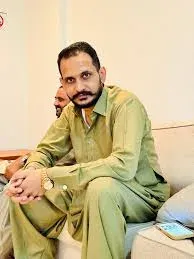
Shehzad Bhatti is a gangster reportedly operating as an asset of Pakistan's ISI, who ran a network that recruited Indian youth for criminal and surveillance activities. His modules were largely dismantled by Indian security agencies, though officials warn he is now attempting to rebuild them using VPN-based communication.
How is the Bhatti gang trying to rebuild after the crackdown?
According to officials, Bhatti has shifted to VPN-based communication after most of his Instagram and social media accounts were taken down. He is also reportedly recruiting Indians living abroad to act as intermediaries who can then identify and lure targets inside India.
What role does the ISI play in the Bhatti network?
Intelligence Bureau officials describe Bhatti as an ISI asset whose network functions primarily as a low-cost surveillance operation. Recruits gather ground-level intelligence for the ISI, which then shares it with larger terror groups planning attacks. The ISI has reportedly directed Bhatti to rebuild his modules despite the crackdown.
What is the Sahyog portal and how does it help counter this network?
The Sahyog portal is a platform developed by the Indian Cybercrime Coordination Centre (I4C) that enables law enforcement to issue automated, real-time content blocking directions to platforms like Instagram and Facebook under Section 79(3)(b) of the IT Act. Meta has integrated both Instagram and Facebook with the portal, removing the need for individual human review of each takedown request.
How much money are recruits paid to work for the Bhatti network?
According to officials, recruits are reportedly lured for as little as ₹5,000 to ₹10,000 — a deliberately low sum that makes the network extremely cost-effective for the ISI compared to funding larger militant outfits like Lashkar-e-Tayiba or Jaish-e-Mohammad.