ISI's ₹5,000 trap: Indian youths blackmailed into killings via Bhatti network
Synopsis
Pakistan's ISI is reportedly ensnaring Indian youths with ₹5,000 lures, then blackmailing them — via the Shahzad Bhatti network — into arms smuggling and contract killings of police. With six targeted killings of Punjab cops already linked to this method and the network now expanding to other northern states, intelligence agencies are sounding the alarm on one of the most insidious coercion pipelines operating inside India.
Key Takeaways
ISI-backed networks have recruited scores of Indian youths using payments as low as ₹5,000 , according to officials.
Recruits are progressively coerced — via blackmail and family threats — from minor errands into arms smuggling and contract killings.
The Shahzad Bhatti network uses the dead-drop method to deliver narcotics, arms, and ammunition, primarily in Punjab .
At least six targeted killings of policemen in Punjab last year have been allegedly linked to locally recruited individuals.
The network is reportedly expanding to recruit youths from multiple northern states and deploy them outside their home states to avoid detection.
Officials are urging trapped youths to immediately report to local police rather than continue executing assignments.
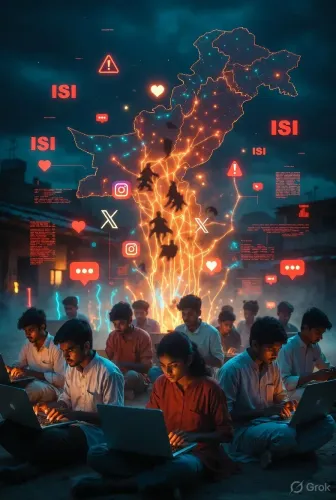
Intelligence agencies have flagged a systematic campaign, reportedly directed by Pakistan's Inter-Services Intelligence (ISI), that has recruited scores of Indian youths — primarily across Punjab and neighbouring northern states — by luring them with payments as low as ₹5,000, only to later blackmail them into carrying out arms smuggling and contract killings, according to officials.
How the Recruitment Trap Works
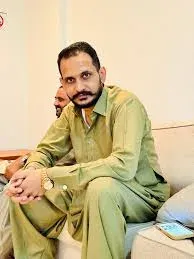
According to officials, the network — largely attributed to the Shahzad Bhatti network — initially approaches vulnerable youths with promises of easy money and a lavish lifestyle. Recruits are allegedly shown photographs of Bhatti and his associates posing with luxury vehicles and expensive homes to project an image of wealth and glamour.
'They were shown photographs of Bhatti and his associates posing in front of luxurious houses and expensive vehicles, dressed in flashy clothes. These images created an impression of wealth and glamour, becoming a major attraction and one of the primary reasons why the youths agreed to join such networks,' an official said.
Once drawn in, recruits are assigned low-risk tasks — such as retrieving small packages from designated locations, a technique known as the dead-drop method — in exchange for modest initial payments. The tasks subsequently escalate to narcotics collection and distribution, arms transportation, and ultimately targeted violence.
The Blackmail Mechanism
Officials say the network has engineered a near-inescapable coercion cycle. After the first assignment is completed and paid for, higher remuneration promised for subsequent, riskier tasks is deliberately withheld. The recruits are then threatened with exposure to security agencies unless they comply with increasingly serious demands.
'As a result, the assignments continue to get executed, but the youths are paid only paltry sums, irrespective of the scale or nature of the task,' an official said. Recruits are also threatened with their families being informed of their involvement, amplifying the fear of social ostracism and preventing them from seeking help.
Escalation to Contract Killings
An Intelligence Bureau official said the most alarming recent development is the network's push to coerce recruits into committing contract killings — or 'hit jobs' — against police personnel. 'A hit job is the toughest one for these youth to execute as it is murder and is punishable with either life or death. The youth are aware of this, but are forced into the job as they fear being outed by the ISI-backed networks,' the official said.
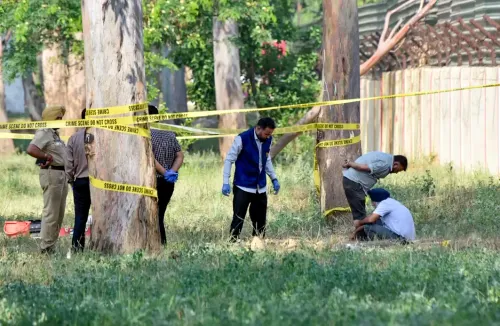
Officials linked this trend to a troubling pattern already visible on the ground: Punjab witnessed at least six targeted killings of policemen last year, and in most cases, investigations have allegedly pointed to local recruits carrying out the attacks.
Expansion Beyond Punjab
Officials warn that the Bhatti network is reportedly seeking to recruit youths from multiple northern states and deploy them outside their home states — a tactic designed to exploit the fact that such individuals have no prior criminal record and are not under local law enforcement scrutiny, making detection significantly more difficult.
The ISI's reported strategy, according to officials, is to build a pan-North India network of coerced recruits who can be activated for targeted killings of security personnel well beyond Punjab.
Official Advisory
Officials have urged any youth who finds themselves trapped in such networks to immediately report the matter to local police rather than continuing to execute assignments, cautioning that each completed task deepens their legal and personal jeopardy. The situation is expected to remain under close watch by central and state intelligence agencies as the network reportedly attempts to widen its reach.
Point of View
000 lure is not the trap — it is merely the door. The real mechanism is blackmail, and once a youth has carried out even a minor task, the network holds permanent leverage. Intelligence agencies have known about ISI's use of criminal proxies in Punjab for years, but the reported shift toward contract killings of police — executed by out-of-state recruits with clean records — signals a deliberate operational upgrade. The six policeman killings last year should have been a louder alarm bell. The expansion to other northern states suggests this is no longer a Punjab problem; it is a national internal security challenge that demands a coordinated, preventive response rather than case-by-case prosecution after the damage is done.
NationPress
21 Nov 2026
Frequently Asked Questions
How is the ISI-backed network recruiting Indian youths?
According to officials, the network — largely attributed to the Shahzad Bhatti network — lures youths with promises of easy money starting as low as ₹5,000, showing them images of associates living lavish lifestyles. Once recruited, they are assigned low-risk tasks before being gradually coerced into more serious criminal activity through blackmail.
What is the dead-drop method used by ISI operatives?
The dead-drop method involves ISI operatives leaving consignments of arms, ammunition, or narcotics at pre-designated locations for recruits to retrieve and distribute — without direct contact between the operative and the recruit. This technique is primarily being used in Punjab, according to officials.
How are recruited youths blackmailed into carrying out killings?
After completing an initial task and receiving the promised payment, recruits are assigned bigger jobs but the promised higher remuneration is withheld. They are then threatened with exposure to security agencies and told their families will be informed, leaving them trapped into carrying out increasingly serious crimes including contract killings.
How many policemen have been killed in Punjab through this network?
At least six targeted killings of policemen were recorded in Punjab last year, with investigations allegedly pointing to locally recruited individuals in most cases, according to officials.
What should a youth do if they are trapped in such a network?
Officials are urging any youth who has been drawn into or coerced by such networks to immediately report the matter to local police. Continuing to execute assignments only deepens criminal liability, while timely reporting may offer legal protection and disrupt the network.