CM Nitish: 835+ Locomotives Built at Marhaura Since 2016
Synopsis
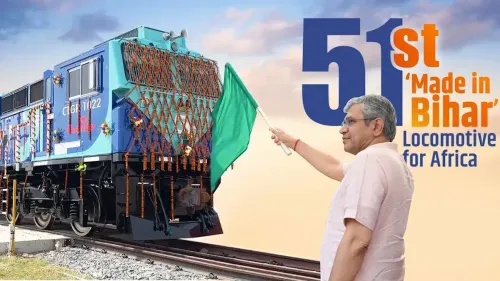
Chief Minister Nitish Kumar has stated that more than 835 railway locomotives have been manufactured at the Marhaura factory in Bihar's Saran district since 2016, with engines dispatched to regions across India and to foreign markets, underscoring the plant's role in India's domestic rail manufacturing push.
Key Takeaways
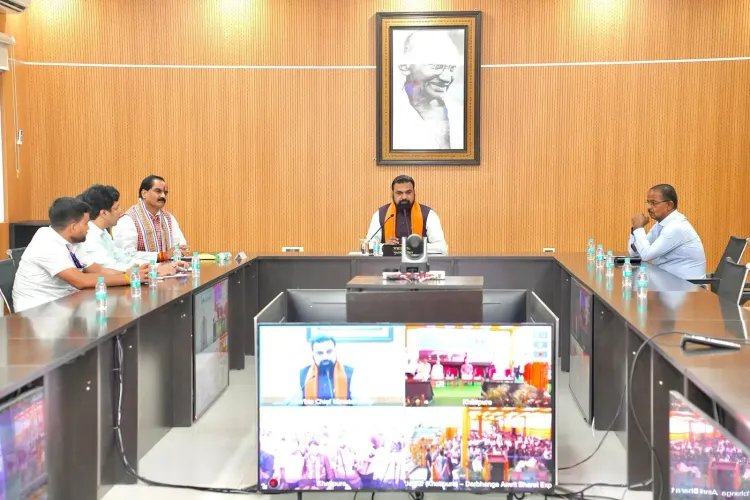
The Chief Minister's Office of Bihar shared remarks by CM Nitish Kumar on 21 June 2026 on locomotive output at Marhaura .
More than 835 railway engines have been manufactured at the Marhaura Locomotive Factory since 2016 .
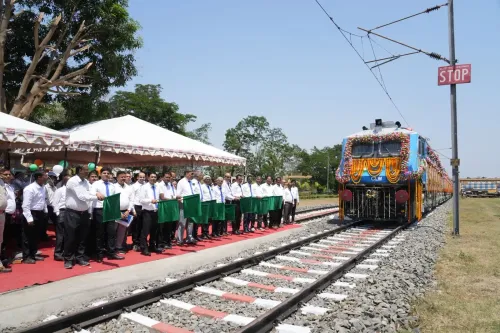
Locomotives from the plant have been dispatched to various parts of India as well as to foreign countries .
The Marhaura facility was established under the Make in India programme following a 2015 Union government decision to set up new locomotive factories in Bihar .
The plant operates as a public-private partnership and is positioned as a key node in India's domestic railway supply chain.
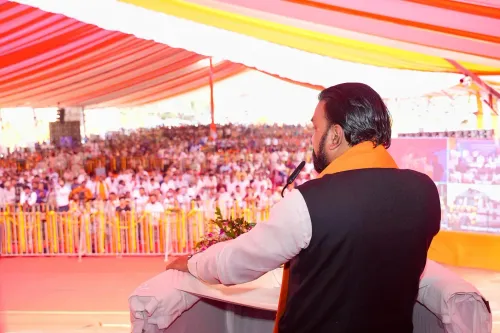
The Chief Minister's Office of Bihar shared remarks by Chief Minister Nitish Kumar on Sunday, 21 June 2026, highlighting the scale of locomotive manufacturing at the Marhaura facility in Saran district, underscoring the plant's contribution to India's railway supply chain.
In the post, the Chief Minister stated that 'वर्ष 2016 से मढ़ौरा में अब तक 835 से अधिक रेलवे इंजनों का निर्माण किया जा चुका है' — 'since 2016, more than 835 railway engines have been manufactured at Marhaura, which have been dispatched to various parts of the country as well as abroad.'
Context
The Marhaura Locomotive Factory in Saran district, Bihar, was established as part of a public-private partnership to produce diesel locomotives for Indian Railways. The facility emerged from a 2015 Union government decision to set up two new locomotive factories in Bihar under the Make in India programme, with commercial production beginning in 2016.
Chief Minister Nitish Kumar has consistently cited the Marhaura plant as a flagship example of industrial investment in Bihar, using it to illustrate the state's growing role in national infrastructure manufacturing.
Policy Backdrop
The push to build locomotives domestically is part of a broader national strategy to reduce dependence on imports and modernise the Indian Railways fleet, one of the world's largest rail networks. Greenfield plants such as the one at Marhaura are central to this effort, providing capacity that supplements older production centres.
Bihar's inclusion in this supply chain represents a deliberate policy choice to channel industrial investment into the state, which has historically lagged in manufacturing output. The Make in India framework provided the policy architecture for such facilities to attract both public funding and private participation.
Stakeholders and Impact
The factory directly supports railway workers and ancillary industries in and around Saran district. Beyond local employment, the locomotives produced at Marhaura feed into Indian Railways' fleet replenishment and zone-level distribution across the country.
The dispatch of engines to destinations abroad, as cited by CM Nitish Kumar, positions the plant within India's limited but growing portfolio of railway rolling-stock exports, signalling a degree of quality recognition in international markets.
What's Next
Attention will now turn to whether the Marhaura Locomotive Factory announces updated annual production targets or secures new export orders as the facility matures. Any technology transfer agreements or capacity expansion plans would mark the next significant milestone for the plant.
For Bihar, continued output from Marhaura strengthens the state government's narrative of industrial revival — a theme that carries weight ahead of future electoral and budgetary cycles.
Point of View
And less settled, question.
NationPress
20 Sept 2026
Frequently Asked Questions
How many locomotives have been made at Marhaura factory in Bihar?
According to Chief Minister Nitish Kumar, more than 835 railway engines have been manufactured at the Marhaura Locomotive Factory in Saran district, Bihar since 2016 .
When did the Marhaura locomotive factory start production?
The Marhaura Locomotive Factory began production in 2016 , following a 2015 Union government decision to establish new locomotive plants in Bihar under the Make in India programme.
Where are the locomotives made at Marhaura sent?
CM Nitish Kumar stated that locomotives from Marhaura have been dispatched to various parts of India as well as to foreign countries .
What is the Marhaura locomotive factory and who runs it?
The Marhaura Locomotive Factory is a public-private partnership facility in Saran district, Bihar , set up to manufacture diesel locomotives for Indian Railways and for export.
What is Bihar's role in Indian Railways manufacturing?
Bihar hosts the Marhaura Locomotive Factory , one of the greenfield plants established under the Make in India initiative to boost domestic locomotive production and reduce import dependence for Indian Railways .