CM Sawant: 9,000+ Goan Women Now Lakhpati Didis
Synopsis
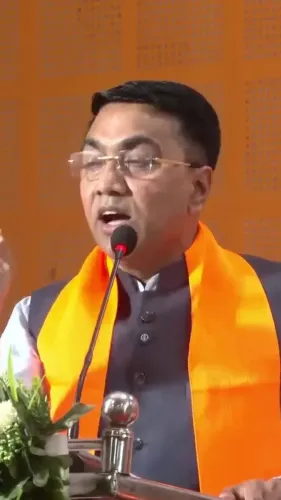
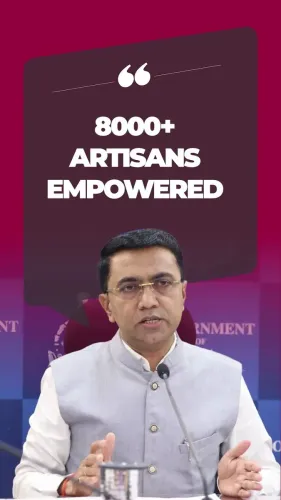
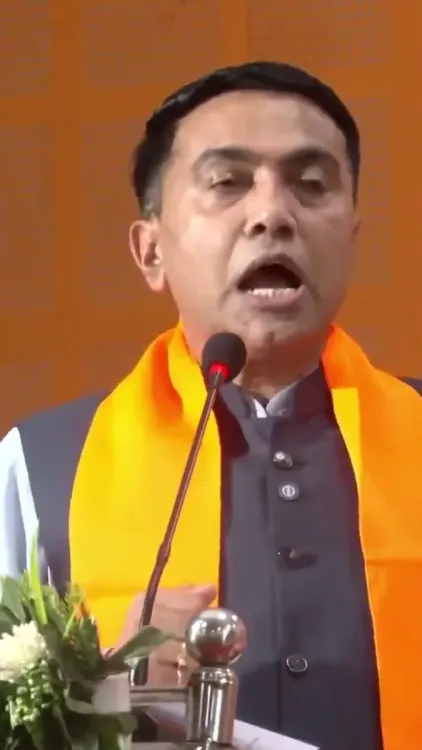
Goa Chief Minister Pramod Sawant announced that more than 9,000 Goan women have achieved Lakhpati Didi status under DAY-NRLM, each earning over Rs 1 lakh annually through self-help groups, marking a significant milestone in the state's rural women's empowerment drive.
Key Takeaways
9,000+ Goan women have crossed the Rs 1 lakh annual income mark under the Lakhpati Didi programme.
The programme operates under DAY-NRLM , the central government's rural livelihoods mission active since 2011 .
The 2023 Union Budget set a national target of two crore Lakhpati Didis across India.
Goa's update was posted under the #SevaSankalpAbhiyan campaign on September 30, 2026 .
The scheme promotes sustainable income through SHG-linked skill training, micro-credit, and market access — not one-time transfers.
Over 9,000 women in Goa have crossed the Rs 1 lakh annual income threshold under the Lakhpati Didi programme, Goa Chief Minister Pramod Sawant announced on Wednesday, September 30, 2026 — a milestone that puts a precise number on what rural self-help groups have quietly been building across the state.
What Lakhpati Didi actually means on the ground
The Lakhpati Didi initiative is a core strand of the Deendayal Antyodaya Yojana – National Rural Livelihoods Mission (DAY-NRLM), the central government's flagship rural poverty-alleviation programme running since 2011. The goal is straightforward: move women enrolled in self-help groups (SHGs) past a Rs 1 lakh per year sustainable income, giving families a second financial anchor and women a measure of economic independence they can own outright.
The initiative received a national-level push when the 2023 Union Budget set a target of two crore Lakhpati Didis across India, directing states to track and report progress against that benchmark. Goa's 9,000-plus figure, shared under the hashtag #SevaSankalpAbhiyan, is the state's latest reported count under that framework.
Goa's place in the national SHG picture
Goa is among India's smaller states, so a 9,000-strong cohort of income-certified women represents a meaningful share of the state's rural female population enrolled in SHGs. The DAY-NRLM model ties livelihood gains to skill training, market linkages, and micro-credit access — meaning these women are not simply receiving transfers but running micro-enterprises, agricultural ventures, or service businesses that generate recurring income.
CM Sawant framed the number in human terms: women 'building livelihoods that contribute to their families and their own financial independence' — a phrase that captures both the household and individual dimensions the programme targets.
What the #SevaSankalpAbhiyan tag signals
The #SevaSankalpAbhiyan hashtag situates this update within a broader outreach and accountability campaign, suggesting the Goa government is actively surfacing welfare delivery data for public record. Upcoming Goa assembly sessions are expected to examine whether additional budgetary support for skill training and market linkages can push that number higher still.
Nine thousand livelihoods rebuilt from the ground up — Goa's Lakhpati Didi count is a number worth watching grow.
Point of View
Publishing a state-specific count under #SevaSankalpAbhiyan is as much a political accountability exercise as a welfare update, tying Goa's record to a Union Budget target the party owns. The broader pattern to watch: whether states with smaller SHG bases like Goa can sustain income growth past the Rs 1 lakh threshold without continued budgetary top-ups for skill training and market linkages.
NationPress
30 Sept 2026
Frequently Asked Questions
What is the Lakhpati Didi scheme?
Lakhpati Didi is a component of the Deendayal Antyodaya Yojana – National Rural Livelihoods Mission (DAY-NRLM) that helps women in self-help groups earn at least Rs 1 lakh per year through sustainable livelihoods such as micro-enterprises, farming, and services.
How many Lakhpati Didis are there in Goa?
Goa Chief Minister Pramod Sawant announced on September 30, 2026 that more than 9,000 Goan women have become Lakhpati Didis.
What is the national target for Lakhpati Didi?
The 2023 Union Budget set a target of two crore (20 million) Lakhpati Didis across India under DAY-NRLM.
What is #SevaSankalpAbhiyan?
#SevaSankalpAbhiyan is a campaign hashtag used by the Goa government to share welfare delivery updates and outreach milestones, including the Lakhpati Didi progress announcement.
What is DAY-NRLM and when did it start?
DAY-NRLM, or Deendayal Antyodaya Yojana – National Rural Livelihoods Mission, is a central government programme for rural poverty alleviation through self-help groups and livelihood promotion, active since 2011 and significantly expanded in later years.