Rajnath Singh: Agniveer tenure extension driven by defence forces' feedback
Synopsis
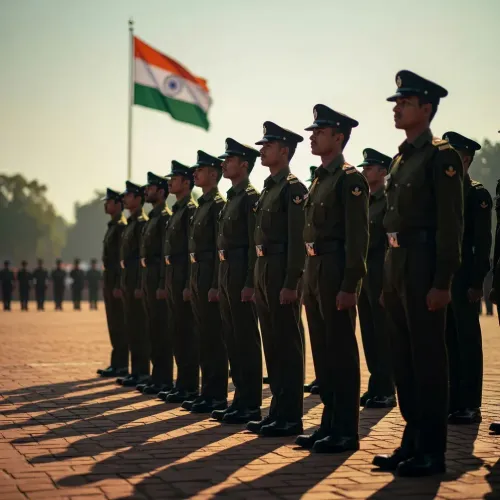
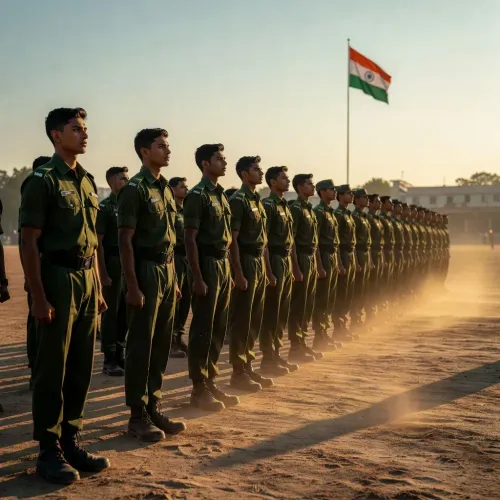
In the first structural change to the Agnipath scheme since its 2022 rollout, the Centre has introduced a 'Second Tour of Duty' option for Agniveers — and Defence Minister Rajnath Singh says it came straight from the armed forces themselves. With Operation Sindoor cited as proof of Agniveer capability, the government is recasting the contested scheme as one the military itself wants preserved and expanded.
Key Takeaways
Defence Minister Rajnath Singh confirmed on 12 November 2026 that the Agniveer tenure extension was based on feedback from the defence forces.
The revised Agnipath scheme now offers a 'Second Tour of Duty' — an additional two years of service after the initial four-year term, subject to eligibility criteria.
Former Navy Chief Admiral Dinesh K.
Tripathi (retd) cited Operation Sindoor as evidence that Agniveer performance matches that of regular soldiers.
Singh also called for strengthening intelligence, surveillance , and the 'element of surprise' to maintain operational readiness against modern threats.
This is the first significant structural amendment to the Agnipath scheme since its launch in 2022 .
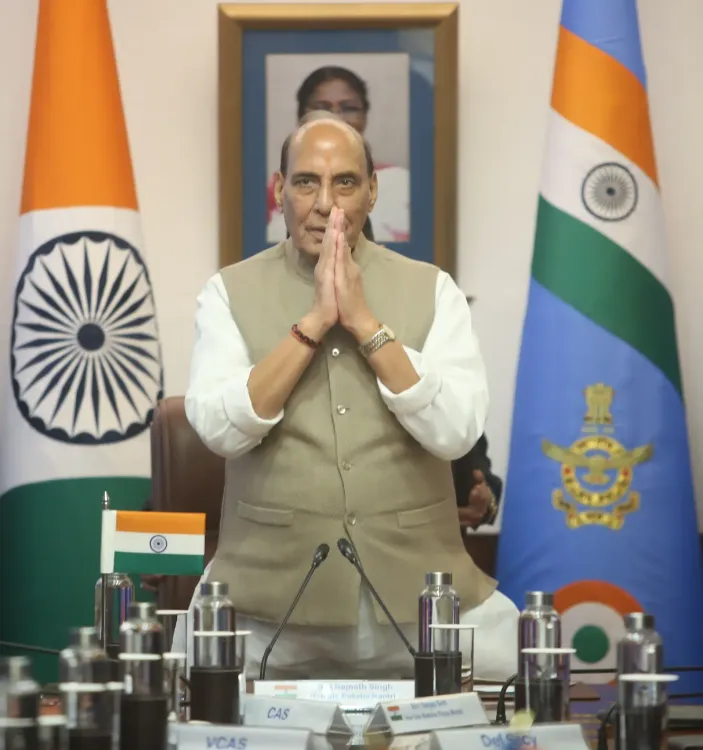
Defence Minister Rajnath Singh on Thursday, 12 November 2026, said the government's decision to offer Agniveers a second two-year service term — after their initial four-year tenure — was directly shaped by feedback received from the armed forces. Singh made the remarks during his address at the Air Force Commanders' Conference in New Delhi, reiterating the government's stated commitment to incorporating military personnel's suggestions into policy.
The 'Second Tour of Duty' Initiative
Earlier this month, the Centre announced a significant amendment to the Agnipath scheme, introducing what officials have termed the 'Second Tour of Duty' option. Under the revised framework, soldiers who complete their initial four-year stint will be eligible to extend their service by two additional years, subject to their willingness and fulfilment of prescribed criteria.
Singh expressed confidence that the initiative would further bolster the capabilities of the Army, Navy, and Air Force. He stressed that the decision reflected a broader principle of policy responsiveness to ground-level military experience.
Operation Sindoor Performance Cited in Support
Former Navy Chief Admiral Dinesh K. Tripathi (retd) welcomed the government's move, drawing attention to the conduct of Agniveer soldiers during Operation Sindoor. He asserted that their performance was on par with that of regular military personnel, arguing that the scheme's critics had underestimated the soldiers' capabilities.
'Even during Operation Sindoor, the performance of the Agniveer soldiers was no less than the regular soldiers. Even when we spoke to them, they displayed the same enthusiasm as other soldiers,' Tripathi said, adding that the tenure extension would prove advantageous for the Army.
Operational Readiness and Strategic Preparedness
Beyond the Agnipath discussion, Singh used the commanders' conference to deliver a wider message on operational readiness. He called upon the defence forces to strengthen and sustain both offensive and defensive dimensions of the 'element of surprise' as a tool against conventional and emerging threats in modern warfare.
'Our Defence Forces must develop capabilities and methods that leave the adversary with no time to react or recover, while simultaneously ensuring that we are never caught off guard by an unexpected move from the enemy. Surprise can manifest in various forms, both conventional and electronic,' Singh said, according to an official statement.
Intelligence, Surveillance and Integration
The minister also emphasised the need to continuously bolster intelligence and surveillance capabilities, enhance inter-system integration, and identify potential threats before they materialise. He called for ensuring that personnel remain 'alert, agile and equipped' to respond to any emerging challenge, the official statement noted.
This comes amid ongoing scrutiny of the Agnipath scheme, which has faced criticism from opposition parties and veterans' groups since its launch in 2022, with concerns centred on job security and long-term career prospects for enrolled soldiers. The tenure extension represents the first structural modification to the scheme since its inception, and the government's response signals an intent to address at least some of those concerns. How the broader debate around Agnipath evolves — particularly ahead of state and national electoral cycles — will be closely watched.
Point of View
Students, and the political opposition — with concerns about job security that a two-year extension does not fully resolve. By anchoring the change in military endorsement and invoking Operation Sindoor, the Centre is attempting to shift the debate from contractualisation of soldiering to battlefield performance. What remains unaddressed is the core anxiety: what happens to Agniveers after six years? Until post-service rehabilitation and guaranteed reabsorption pathways are defined clearly, the structural insecurity at the heart of the scheme persists.
NationPress
12 Nov 2026
Frequently Asked Questions
What is the 'Second Tour of Duty' for Agniveers?
It is a newly introduced option under the revised Agnipath scheme that allows Agniveers who complete their initial four-year service to extend their military tenure by an additional two years, provided they are willing and meet the required criteria. Defence Minister Rajnath Singh confirmed the change was driven by feedback from the armed forces.
Why did the government amend the Agnipath scheme?
The Centre says the amendment was based on feedback received from the defence forces, as stated by Rajnath Singh at the Air Force Commanders' Conference on 12 November 2026. The change reflects the government's stated commitment to incorporating ground-level military input into policy decisions.
How did Agniveers perform during Operation Sindoor?
Former Navy Chief Admiral Dinesh K. Tripathi (retd) stated that Agniveer soldiers' performance during Operation Sindoor was no less than that of regular military personnel. He said the soldiers displayed the same enthusiasm and capability when spoken to directly.
What else did Rajnath Singh say at the Air Force Commanders' Conference?
Beyond the Agniveer announcement, Singh called on the defence forces to strengthen offensive and defensive uses of the 'element of surprise', bolster intelligence and surveillance capabilities, and ensure personnel remain alert and agile against conventional and emerging threats in modern warfare.
What concerns remain about the Agnipath scheme?
Critics, including opposition parties and veterans' groups, have argued since the scheme's 2022 launch that four years — or even six with the extension — is insufficient for long-term career security. The key unresolved question is what structured post-service pathways exist for Agniveers once their extended term concludes.