India's retail inflation hits 6.09% in October, breaches RBI's upper limit for first time in 2 years

Synopsis
India's CPI inflation hit 6.09% in October 2026 — breaching the RBI's upper tolerance band for the first time in two years. With onion prices up 116% and food inflation at 8.94%, the data puts the central bank in a tight spot: the MPC already raised the repo rate to 5.5% in October, and another hike may now be hard to avoid.
Key Takeaways
India's CPI inflation rose to 6.09 per cent in October 2026 , breaching the RBI's upper limit of 6 per cent for the first time in two years.
Food inflation stood at 8.94 per cent ; onion prices surged 116.22 per cent year-on-year.
Silver jewellery prices rose 52.39 per cent , among the highest inflation readings of the month.
The MPC had already raised the repo rate by 25 bps to 5.5 per cent on 7 October ; a further hike is now anticipated.
The RBI had projected Q3 inflation at 6.0 per cent for 2026-27 — the October print is tracking that forecast.
Near-term risks include a deficient monsoon, El Niño conditions, and elevated global energy prices.
India's retail inflation, measured by the new Consumer Price Index (CPI) series, surged to 6.09 per cent in October 2026 on a year-on-year basis, breaching the Reserve Bank of India's (RBI) upper tolerance limit of 6 per cent for the first time in two years, according to data released by the Ministry of Statistics on Thursday, 12 November 2026. The breach raises immediate questions about the trajectory of monetary policy and the central bank's next move.
Food Prices Drive the Surge
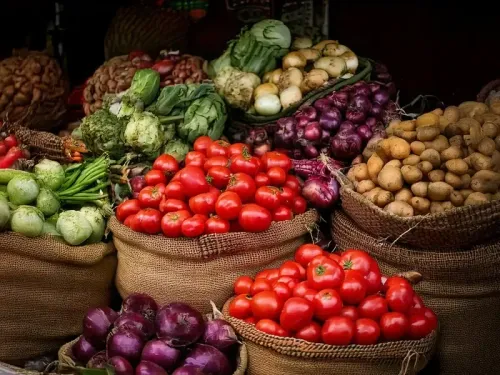
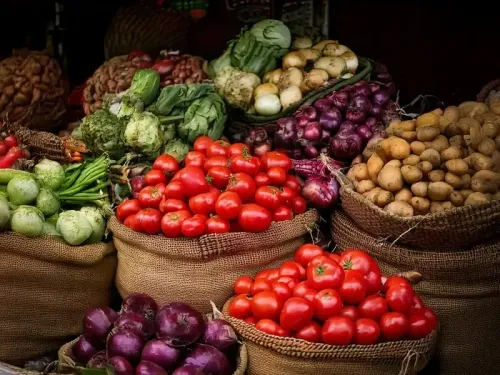
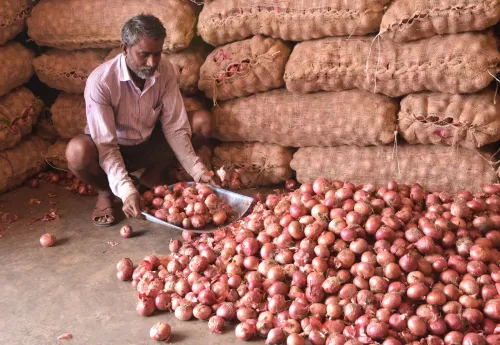
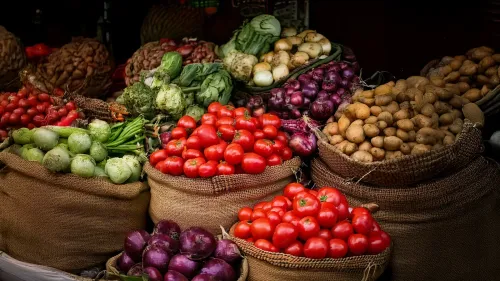
Overall food inflation in October climbed to 8.94 per cent, with sharp spikes in several kitchen staples. Onion prices skyrocketed by 116.22 per cent year-on-year, while garlic became costlier by 60.74 per cent. Ginger and lemon prices also rose by 48.32 per cent and 47.30 per cent, respectively, over the same period.
Not all vegetables moved higher, however. Potato prices declined by 14.24 per cent, and cauliflower and coconut turned cheaper by 10.57 per cent and 5.6 per cent, respectively, offering some partial relief to consumers.
Beyond food, silver jewellery posted one of the highest inflation readings of the month, with prices surging 52.39 per cent year-on-year — a reflection of broader commodity price pressures globally.
RBI's Tolerance Band Breached
The RBI's mandated inflation tolerance band spans 2 per cent to 6 per cent, with a medium-term target of 4 per cent. October's 6.09 per cent reading marks the first breach of the upper bound in two years, intensifying expectations of a further rate action at the next monetary policy review.
The Monetary Policy Committee (MPC) had already raised the policy repo rate by 25 basis points to 5.5 per cent on 7 October, voting unanimously to tighten. This came in the context of a global shift toward hawkish monetary stances — the US Federal Reserve had also raised rates by 25 basis points in September.
What the RBI Had Flagged
RBI Governor Sanjay Malhotra, in his monetary policy statement on 7 October, noted that CPI inflation had risen to 4.8 per cent in August 2026 from 4.5 per cent in July. He flagged that food price increases had become more broad-based, with notable spikes in items such as sugar and onion. Core inflation rose to 4.2 per cent, and core inflation excluding precious metals stood at 2.9 per cent in August. The weighted share of CPI basket items recording inflation above 4 per cent had reached approximately 37 per cent in August — a steady upward creep.
Governor Malhotra also highlighted near-term upside risks: a deficient monsoon, ongoing El Niño conditions, and elevated energy and commodity prices whose pass-through effects were still feeding through the economy.
RBI's Inflation Projections for 2026-27
The central bank had projected CPI inflation at 5.2 per cent for the full year 2026-27, with Q2 at 4.9 per cent, Q3 at 6.0 per cent, and Q4 at 5.7 per cent. Inflation for Q1 2027-28 was projected at 5.6 per cent, with risks described as evenly balanced. Core inflation was projected at 4.4 per cent for 2026-27.
The October print is broadly in line with the RBI's own Q3 projection, but the breach of the upper band keeps the door open for further policy tightening — a prospect markets and borrowers will be watching closely in the weeks ahead.
Point of View
Particularly onions at 116 per cent, signals a supply-side shock that monetary policy alone cannot fix. Raising rates further will cool demand but will not grow onions. The harder question is whether the government's supply-chain interventions are keeping pace with the El Niño-driven disruptions. What is underreported is how the cumulative rate cycle is already squeezing household EMI burdens; another hike would add to that stress even as real wages remain under pressure.
NationPress
12 Nov 2026
Frequently Asked Questions
What is India's retail inflation in October 2026?
India's retail inflation, based on the new CPI series, rose to 6.09 per cent in October 2026 on a year-on-year basis. This is the first time in two years that the reading has crossed the RBI's upper tolerance limit of 6 per cent, according to data from the Ministry of Statistics.
Why did retail inflation rise above 6 per cent in October?
The primary driver was food inflation, which stood at 8.94 per cent. Onion prices surged 116.22 per cent, garlic rose 60.74 per cent, and ginger and lemon prices jumped 48.32 per cent and 47.30 per cent, respectively. Supply-side pressures from a deficient monsoon and El Niño conditions have been key contributors.
What is the RBI's inflation tolerance band and why does it matter?
The RBI is mandated to keep CPI inflation within a band of 2 per cent to 6 per cent, with a medium-term target of 4 per cent. A breach of the upper limit — as seen in October 2026 — typically signals heightened risk of further monetary tightening and can influence borrowing costs across the economy.
Will the RBI hike interest rates again after the October inflation data?
Market expectations of another rate hike have risen following the 6.09 per cent CPI print. The MPC had already raised the repo rate by 25 basis points to 5.5 per cent on 7 October 2026. The next monetary policy review will be closely watched for further signals from RBI Governor Sanjay Malhotra.
What is the RBI's inflation forecast for the rest of 2026-27?
The RBI projected CPI inflation at 5.2 per cent for the full year 2026-27, with Q3 at 6.0 per cent, Q4 at 5.7 per cent, and Q1 2027-28 at 5.6 per cent. Core inflation was projected at 4.4 per cent for 2026-27, with risks described as evenly balanced.