Pralhad Joshi Chairs School Education Meet, Reviews NEP 2020 Push
Synopsis
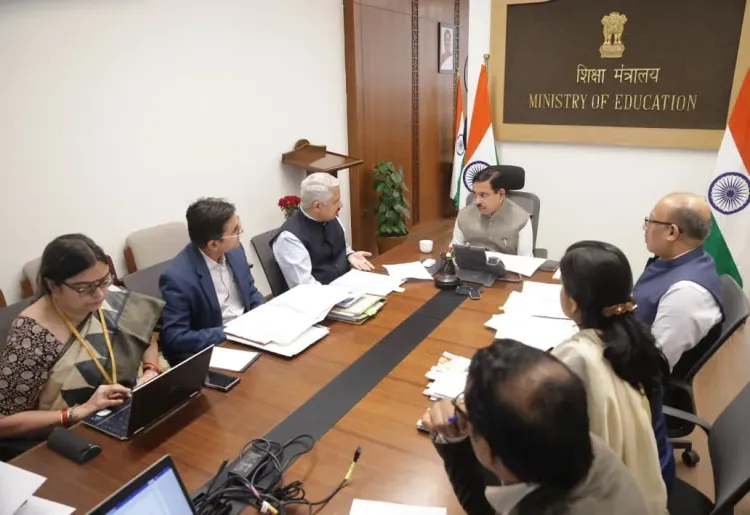
Union Minister Pralhad Joshi chaired a review meeting with the Department of School Education and Literacy on 12 November 2026, focusing on advancing NEP 2020 implementation and building a holistic, inclusive school learning ecosystem across India.
Key Takeaways
Pralhad Joshi chaired a meeting with the Department of School Education and Literacy on 12 November 2026 .
The session reviewed the progress of key school education initiatives and deliberated on 'important matters' in the sector.
Advancing the implementation of NEP 2020 — approved by the Union Cabinet in July 2020 — was a central agenda item.
NEP 2020 replaced India's 1986 education policy, introducing mother-tongue instruction, multidisciplinary learning, and vocational education from Class 6 .
Joshi holds the Consumer Affairs and New and Renewable Energy portfolios; his chairing reflects cross-portfolio ministerial oversight of high-priority reforms.
State-level adoption and new implementation guidelines from the Ministry of Education remain the key developments to watch in the coming months.
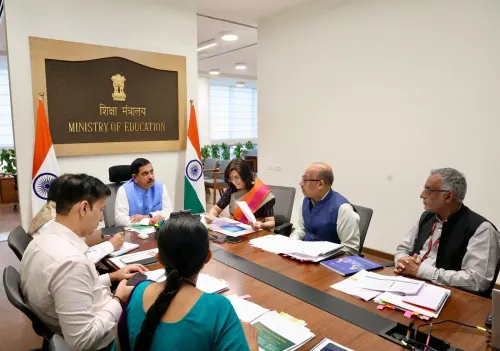
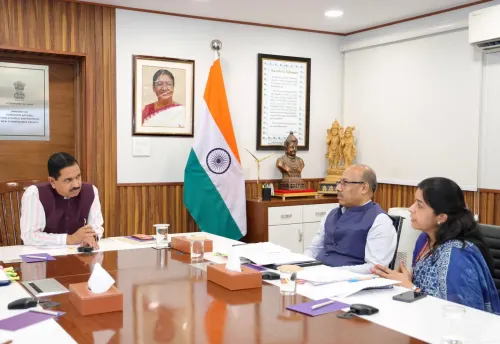
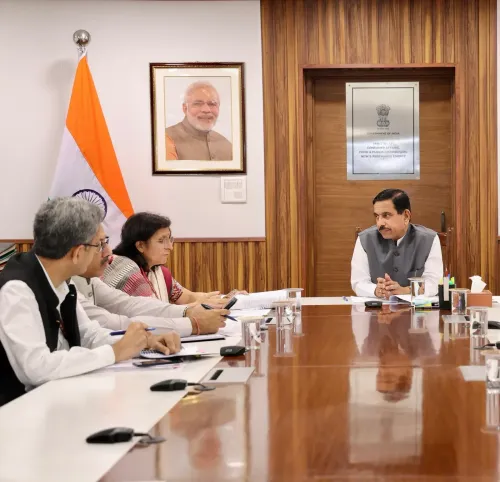
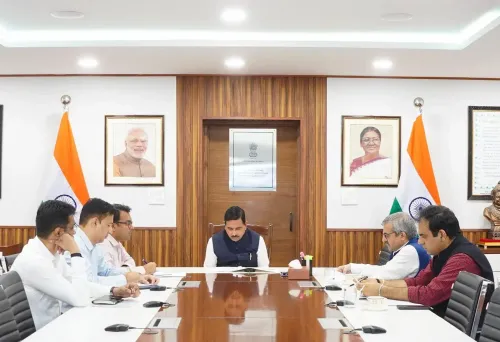
A ministerial review of India's most ambitious education overhaul in four decades took place on Thursday, 12 November 2026, when Union Consumer Affairs Minister Pralhad Joshi chaired a meeting with the Secretary and senior officials of the Department of School Education and Literacy under the Ministry of Education — signalling continued cross-portfolio momentum behind the rollout of the National Education Policy 2020.
What was on the table
Joshi described the session as a deliberation on 'important matters concerning school education' and a review of the progress of key initiatives. The central agenda: accelerating the implementation of NEP 2020 and, as Joshi put it, building 'a more holistic, inclusive and future-ready learning ecosystem.' No specific outcomes were disclosed in his post.
Why NEP 2020 still demands this level of attention
The National Education Policy 2020 — approved by the Union Cabinet in July 2020 — replaced a framework that had stood since 1986. Its ambitions are sweeping: mother-tongue instruction in early years, multidisciplinary learning, vocational skills woven into the curriculum from Class 6, and a wholesale restructuring of the school years from the old 10+2 model. That scale of change does not happen in one budget cycle. It demands sustained inter-ministerial coordination, state buy-in, and curriculum revision by bodies like NCERT — exactly the kind of ongoing review that meetings like Thursday's represent.
Since 2020, the central government has convened regular review sessions — both inter-ministerial and state-level — to track where implementation is stalling, where it is gaining ground, and where new guidelines are needed. The pattern is deliberate: education remains a concurrent subject under the Constitution, meaning New Delhi sets the policy direction but thirty-six states and union territories must each walk the last mile.
A minister from outside the Education Ministry — and what it signals
Joshi's primary charge is Consumer Affairs, Food and Public Distribution, along with New and Renewable Energy. His chairing of this school education review reflects the broader administrative practice of senior ministers being assigned oversight responsibilities across departments, keeping high-priority reform programmes under active political watch. It is a signal that NEP implementation is treated as a whole-of-government priority, not a siloed departmental exercise.
The coming months will test whether fresh implementation guidelines emerge from the Ministry of Education — particularly around state-level adoption timelines and curriculum transition benchmarks — following this round of central-level stocktaking.
Sixty-six years of education policy inertia were overhauled in 2020. The harder work — getting it into every classroom — is still the story being written.
Point of View
Keeping them politically insulated from bureaucratic drift. NEP 2020 is now six years old, and the central government's continued high-level stocktaking signals awareness that implementation gaps — particularly in state curriculum adoption and teacher training — remain a reputational and policy risk. The meeting also comes at a moment when opposition-ruled states have raised sovereignty concerns over the pace of NEP rollout, making central coordination meetings a soft but visible counter-signal. How much of Thursday's review translates into binding guidance for states will determine whether this is momentum or optics.
NationPress
12 Nov 2026
Frequently Asked Questions
Why did Pralhad Joshi chair a school education meeting if he is not the Education Minister?
Senior ministers in India are often assigned oversight responsibilities beyond their primary portfolios. Joshi chairing the Department of School Education and Literacy review reflects the government's practice of keeping high-priority reforms like NEP 2020 under active political watch at the Cabinet level.
What is NEP 2020 and what are its key goals?
The National Education Policy 2020 was approved by the Union Cabinet in July 2020, replacing the 1986 policy. Its key goals include mother-tongue instruction in early schooling, multidisciplinary and vocational learning from Class 6, restructuring of school years, and building a more holistic and flexible education system.
What was reviewed in Pralhad Joshi's 12 November 2026 school education meeting?
The meeting reviewed the progress of key school education initiatives and deliberated on steps to further the implementation of NEP 2020. Specific outcomes or initiatives reviewed were not disclosed in Joshi's post.
What is the role of the Department of School Education and Literacy?
The Department of School Education and Literacy operates under the Ministry of Education and is responsible for elementary and secondary education policy, as well as adult literacy programmes across India.
What are the next steps expected after this NEP 2020 review meeting?
Following central-level stocktaking meetings like this one, the Ministry of Education is expected to issue updated implementation guidelines, particularly around state-level curriculum adoption timelines and transition benchmarks under NEP 2020.