Agriculture Minister Chouhan highlights Punjab no-burn farming
Synopsis
Union Agriculture Minister Shivraj Singh Chouhan says Punjab farmer Major Singh has sown wheat without burning stubble since 2018. His post puts a spotlight on crop residue management as northern India confronts recurring seasonal air pollution.
Key Takeaways
Chouhan said Punjab farmer Major Singh has sown wheat directly without burning stubble since 2018.
The minister said the approach saves water and fertiliser while maintaining production and soil health.
The farm-level results cited by Chouhan could not be independently verified from the supplied research.
Stubble burning in the rice-wheat belt contributes to seasonal air pollution.
Central and state initiatives have supported residue-management machinery and farmer training.
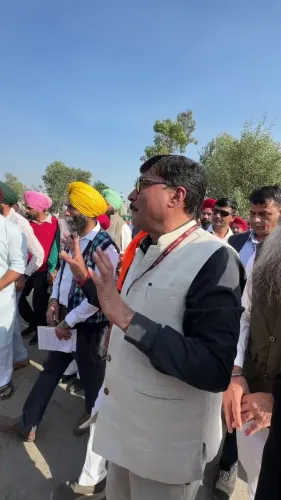
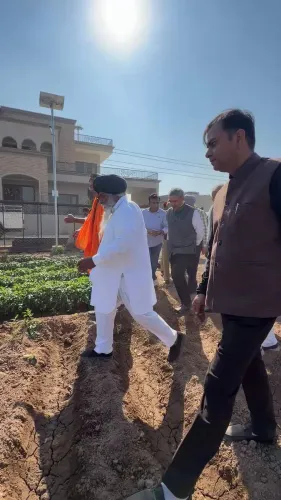
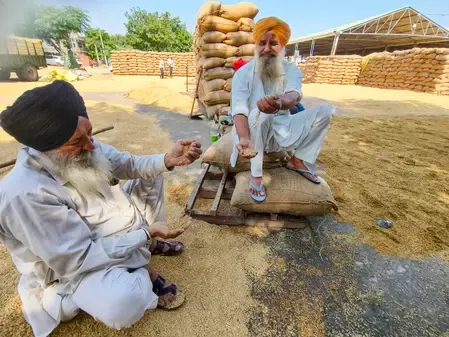
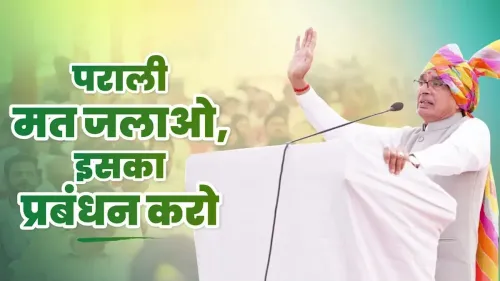
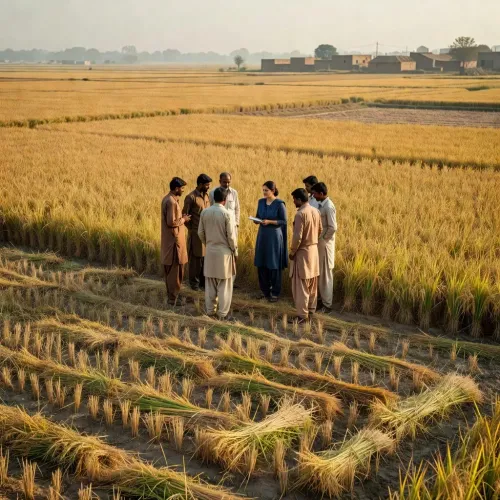
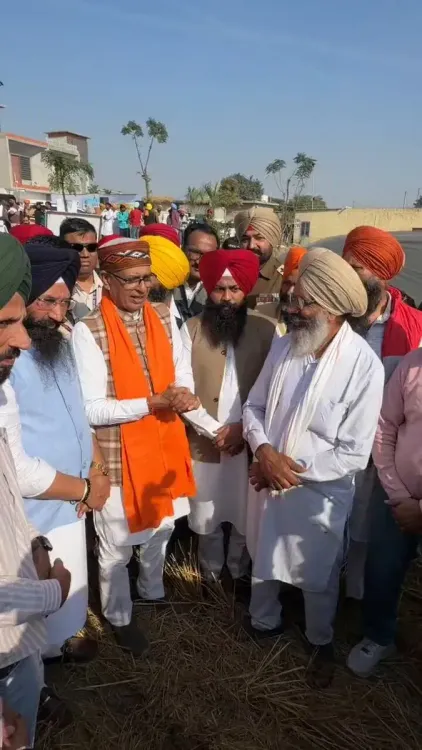
A wheat crop without a stubble fire: Union Agriculture Minister Shivraj Singh Chouhan has highlighted a Punjab farmer as an example of that practice. In a post on 24 November 2026, he said farmer Major Singh has sown wheat directly without burning crop residue since 2018.
What Chouhan said about Major Singh's fields
Chouhan said the method saves both water and fertiliser, maintains full production and protects soil health. Calling the farmer's effort an inspiration to others, he wrote: 'Punjab farmer Major Singh has been sowing wheat directly without burning stubble since 2018.'
Those farm-level results are the minister's account; independent details about Major Singh and his fields were not available in the supplied research.
Why residue management matters in Punjab
In Punjab's rice-wheat system, the period after the rice harvest brings a recurring challenge: managing crop residue before the next wheat crop. Stubble burning contributes to seasonal air pollution, while farmers across the Indo-Gangetic plains also face pressure from groundwater depletion and soil degradation.
Central schemes have promoted in-situ crop residue management and zero-tillage equipment since the mid-2010s. Central and state initiatives have also subsidised machinery and trained farmers in methods including direct seeding and the use of Happy Seeders, which can sow wheat into fields containing rice residue.
For the coming 2026-27 rabi season, the question is whether more farmers can access and adopt such methods without setting fire to the residue left behind.
Point of View
But the post does not establish how widely the approach has been adopted or independently verify the farmer's results. Access to equipment and practical uptake will matter for the wider transition.
NationPress
24 Nov 2026
Frequently Asked Questions
What did Shivraj Singh Chouhan say about Major Singh?
Chouhan said Punjab farmer Major Singh has sown wheat directly without burning stubble since 2018. He described the farmer's effort as an inspiration to others.
What benefits did Chouhan claim for direct wheat sowing?
Chouhan said the method saves water and fertiliser, maintains full production and protects soil health. The specific farm-level results were not independently verified in the supplied research.
Why is stubble burning an issue in Punjab?
Stubble burning after the rice harvest contributes to seasonal air pollution. Farmers in Punjab's rice-wheat system must manage the remaining crop residue before sowing wheat.
What support exists for crop residue management in India?
Central schemes have promoted in-situ residue management and zero-tillage equipment since the mid-2010s. Central and state initiatives have also subsidised machinery and trained farmers in methods such as direct seeding and using Happy Seeders.