Punjab farmers helpline launched to curb stubble burning this harvest season
Synopsis
With Punjab's paddy harvest under way and stubble burning season looming, the Sanjha Mittar Farmer Support Centre has launched a dedicated helpline — backed by consultations with over 2,000 farmers — to deliver real-time, science-based guidance on crop residue management. Five Fatehgarh Sahib villages were simultaneously honoured for achieving zero burning, signalling that grassroots change is possible.
Key Takeaways
The Sanjha Mittar Farmer Support Centre has launched helpline +91 79737 27514 , operating 9 am to 5 pm daily during the paddy harvest season.
The helpline guides Punjab farmers on crop residue management machinery , availability, and alternatives to stubble burning.
The initiative is linked to Clean Air Punjab , AirCare Centre , and Saanjh Punjab , and complements an existing WhatsApp-based digital assistant developed after consultations with over 2,000 farmers .
Panchayats of five villages in Fatehgarh Sahib district — Dhirpur, Wazidpur, Badla, Rurki, and Baronga Jer — were honoured for achieving zero stubble burning.
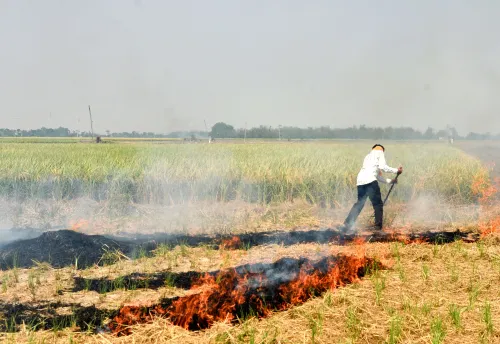
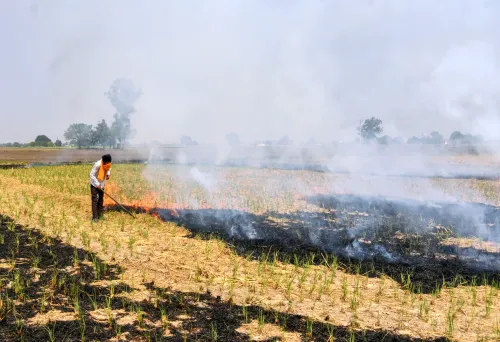
Stubble burning is a major seasonal driver of hazardous air quality across northern India each October–November .
Farmers across Punjab now have a dedicated telephone helpline to seek practical, affordable alternatives to stubble burning as the paddy harvesting season intensifies and concerns over crop residue management mount. The helpline, number +91 79737 27514, is operational from 9 am to 5 pm daily and is part of the Sanjha Mittar Farmer Support Centre, an initiative linked to Clean Air Punjab, AirCare Centre, and Saanjh Punjab.
What the Helpline Offers
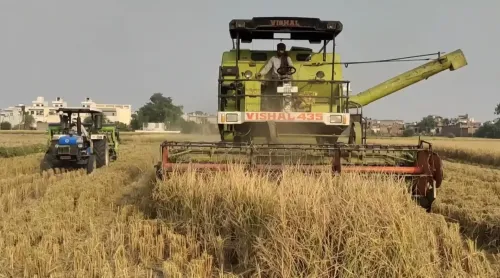
The service goes beyond answering routine queries. Farmers who call in will receive hands-on guidance on modern crop residue management machinery — including information on availability and effective operation. Callers will also be counselled on the documented harmful effects of stubble burning on soil fertility, human health, and the broader environment, and will be directed toward sustainable alternatives.
The initiative is designed to address one of the most time-sensitive challenges in Punjab agriculture: the narrow window between paddy harvest and wheat sowing, during which farmers often resort to burning for want of timely guidance or accessible machinery.
Built Around Farmer Feedback
Sanam, Director of State Climate Action at Asar, described the platform as a direct response to what farmers themselves had articulated. 'Sanjha Mittar is built entirely around what farmers told us during our listening exercises. When technology reflects real farmer preferences, the impact becomes immediate and meaningful. This platform brings timely, science-based support directly to their phones, strengthening both decision-making and climate resilience across Punjab,' she said.
The telephone helpline complements an existing WhatsApp-based digital assistant developed by Clean Air Punjab and Agri2Power following consultations with over 2,000 farmers. Together, the tools aim to ensure farmers receive the right information before they consider setting their fields ablaze.
Villages Recognised for Zero Burning
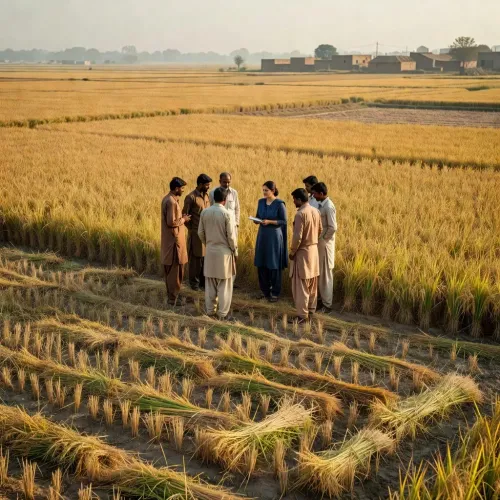
Separately, growing awareness of the issue was on display at a district-level farmers' camp in Fatehgarh Sahib, where the panchayats of five villages were honoured for ensuring that no stubble burning took place in their localities. The villages — Dhirpur, Wazidpur, Badla, Rurki, and Baronga Jer — were recognised for championing environmentally responsible farming practices.
Why This Matters
Stubble burning in Punjab and neighbouring states is a perennial driver of the severe air pollution that blankets northern India each October and November, pushing air quality indices into hazardous territory across Delhi and the Indo-Gangetic Plain. Despite regulatory pressure and government subsidy schemes for residue management machinery, farmer adoption has historically been patchy, largely because of limited awareness and last-mile access to equipment.
By establishing a direct, real-time communication channel, Sanjha Mittar aims to bridge that information gap and drive behavioural change at the grassroots level before the burning window peaks.
Point of View
And Punjab's stubble burning crisis is fundamentally a structural problem: farmers face a brutally tight sowing window, equipment rental markets are thin, and penalties have historically been applied unevenly. Sanjha Mittar's farmer-consultation model is more credible than top-down campaigns, but the real metric will be call volumes and, more critically, whether callers actually access machinery in time. The recognition of five zero-burning villages in Fatehgarh Sahib is encouraging, but five out of hundreds is a data point, not a trend. The test comes in the next two weeks, when burning pressure historically peaks and the air over Delhi tells the fuller story.
NationPress
26 Oct 2026
Frequently Asked Questions
What is the Sanjha Mittar helpline number for Punjab farmers?
The Sanjha Mittar Farmer Support Centre helpline number is +91 79737 27514. It operates from 9 am to 5 pm daily and provides guidance on crop residue management alternatives to stubble burning.
Who runs the Sanjha Mittar Farmer Support Centre?
The centre is an initiative associated with Clean Air Punjab, AirCare Centre, and Saanjh Punjab. It was developed with input from Asar, whose Director of State Climate Action, Sanam, noted it was built around feedback from direct farmer listening exercises.
Why is stubble burning a problem in Punjab?
Stubble burning is the practice of setting paddy residue on fire after harvest to clear fields quickly before wheat sowing. It is a major seasonal contributor to hazardous air pollution across northern India, harming soil fertility, human health, and the environment each October and November.
Which villages in Punjab were recognised for zero stubble burning?
The panchayats of five villages in Fatehgarh Sahib district — Dhirpur, Wazidpur, Badla, Rurki, and Baronga Jer — were honoured at a district-level farmers' camp for ensuring no stubble burning took place in their respective villages.
Does Sanjha Mittar offer any digital support beyond the telephone helpline?
Yes. The telephone helpline complements an existing WhatsApp-based digital assistant developed by Clean Air Punjab and Agri2Power. The digital tool was built after consultations involving over 2,000 farmers and aims to deliver science-based guidance before farmers resort to burning.