Ahmedabad surgeons remove kidney cancer that reached heart in rare 8-hour op
Synopsis
In one of the rarest oncological procedures performed at an Indian government hospital, surgeons in Ahmedabad removed a kidney tumour that had snaked through the body's largest vein all the way into the heart — and did it for free. The 8-hour operation on 50-year-old Hansaben, involving cardiopulmonary bypass and a temporary halt to blood circulation, succeeded where less than 1% of such cases even reach the operating table.
Key Takeaways
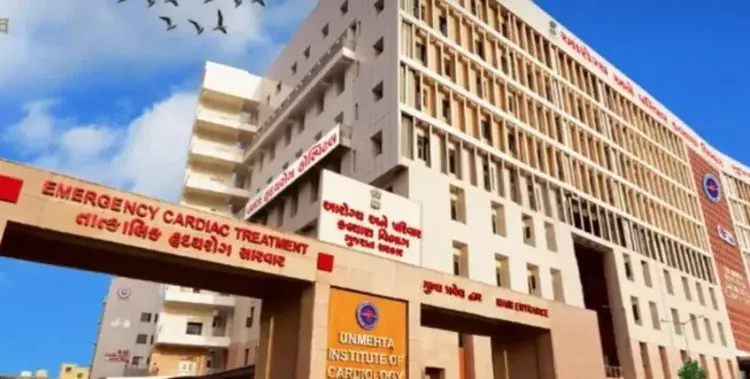
Surgeons at Ahmedabad Civil Hospital and U.N.
Mehta Institute performed a rare 8-hour surgery on 20 July to remove kidney cancer that had reached the right atrium of the heart.
Patient Hansaben , 50 , was diagnosed with renal cell carcinoma ; the tumour thrombus had extended through the inferior vena cava into the heart.
Cardiac extension of renal tumour thrombus occurs in only about 1 per cent of renal cell carcinoma cases, according to the surgical team.
Advanced techniques including cardiopulmonary bypass and hypothermic circulatory arrest were used; the patient was off ventilator by day two .
The procedure, which would cost ₹8 lakh to ₹15 lakh or more privately, was provided free of cost under Gujarat's government healthcare schemes.
A joint surgical team from Ahmedabad Civil Hospital and the U.N. Mehta Institute of Cardiology and Research Centre has successfully performed a rare, eight-hour operation to remove kidney cancer that had spread all the way to a patient's heart, saving the life of Hansaben, a 50-year-old woman from Gujarat. The procedure, completed on 20 July, is among the most complex oncological surgeries performed at a government facility in the state.
How the Cancer Reached the Heart
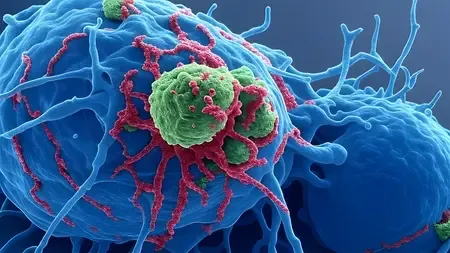
Hansaben was diagnosed with renal cell carcinoma in her left kidney. Further investigations revealed that the cancer had formed a tumour thrombus — a mass that extended from the renal vein into the inferior vena cava (IVC), the body's largest vein responsible for carrying deoxygenated blood to the heart, and had ultimately reached the right atrium.
According to Dr Shrenik Shah, Head of Urology at Civil Hospital, venous tumour thrombus occurs in only 4 to 10 per cent of renal cell carcinoma cases, and extension up to the heart is seen in just about 1 per cent of those. 'If the cancer has not spread to other organs and the tumour thrombus is completely removed through timely surgery, the patient can go on to live a long and healthy life,' he said.
What the Surgery Involved
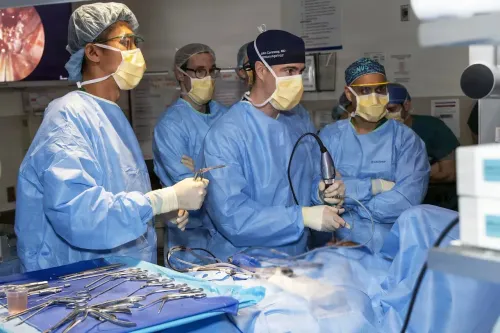
Following multidisciplinary planning across several departments, surgeons from the Department of Urology at Civil Hospital and the Cardiothoracic and Vascular Surgery (CTVS) Department at the U.N. Mehta Institute carried out the procedure. The operation involved removing the cancerous kidney and extracting the tumour thrombus from both the inferior vena cava and the right atrium.
To do this safely, the team employed cardiopulmonary bypass and hypothermic circulatory arrest — a technique in which the patient's body temperature is deliberately lowered and blood circulation is temporarily halted. Doctors noted that key intraoperative risks included controlling significant blood loss, preventing the thrombus from dislodging and causing a fatal embolism in the lungs or brain, and maintaining stable blood pressure and vital parameters throughout.
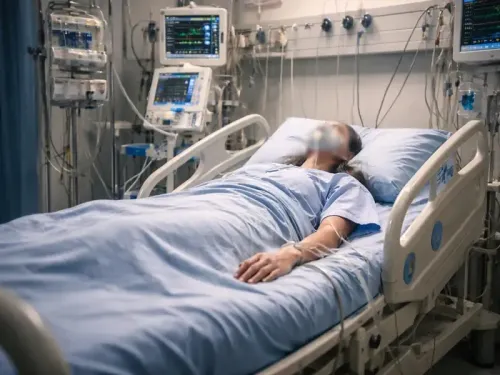
Hansaben was taken off ventilator support on the second day post-surgery and is reported to be recovering well.
Free Treatment Under Government Schemes
Officials noted that a procedure of this complexity — encompassing intensive care, cardiopulmonary bypass, blood transfusions, and post-operative treatment — would typically cost between ₹8 lakh and ₹15 lakh or more at a private hospital. The entire course of treatment was provided free of cost under the state government's healthcare schemes at the Civil Hospital campus.
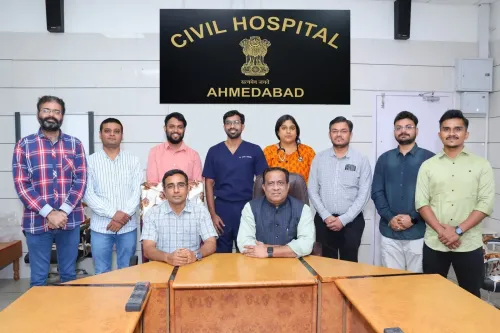
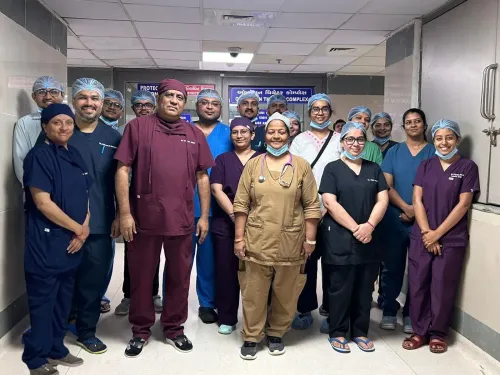
State Health Minister Praful Pansheriya congratulated the medical team, naming the surgeons from both institutions: Civil Hospital's Dr Shrenik Shah, Dr Dhaval Desai, Dr Nirav Agrawal, Dr Akash Fauzdar, and Dr Darshan Patel, alongside U.N. Mehta Hospital Director Dr Chirag Doshi and CTVS surgeons Dr Jignesh Kothari and Dr Akash Shah. The minister said that under Chief Minister Bhupendra Patel's guidance, patients at Ahmedabad Civil Medicity are receiving advanced treatment comparable to private hospitals, either free of charge or at nominal cost.
Significance of Inter-Institutional Collaboration
Ahmedabad Civil Hospital Superintendent Dr Rakesh Joshi said the surgery demonstrated the value of close collaboration between the two government institutions. 'Such medical achievements become possible only when experts from two major government institutions work together. This strong coordination is helping provide new life and renewed hope to patients suffering from highly complex cancers,' he said.
Doctors emphasised that the case underscores the critical importance of multidisciplinary planning and advanced surgical techniques in managing rare, life-threatening forms of kidney cancer involving the heart. With outcomes like this increasingly possible at public hospitals, the case may set a benchmark for complex oncological care within India's government health infrastructure.
Point of View
This case should be studied as a model — not just celebrated as an exception.
NationPress
20 Oct 2026
Frequently Asked Questions
What made this kidney cancer surgery in Ahmedabad so rare?
The surgery was rare because the patient's renal cell carcinoma had formed a tumour thrombus that extended from the kidney through the inferior vena cava all the way into the right atrium of the heart. Cardiac extension of this kind occurs in only about 1 per cent of renal cell carcinoma cases, making surgical removal extremely complex and high-risk.
Which hospitals and doctors performed the surgery?
The 8-hour operation was a joint effort between Ahmedabad Civil Hospital's Urology Department — led by Dr Shrenik Shah, Dr Dhaval Desai, Dr Nirav Agrawal, Dr Akash Fauzdar, and Dr Darshan Patel — and the CTVS Department at the U.N. Mehta Institute of Cardiology and Research Centre, including Director Dr Chirag Doshi and surgeons Dr Jignesh Kothari and Dr Akash Shah.
What surgical techniques were used in the procedure?
Surgeons used cardiopulmonary bypass and hypothermic circulatory arrest, a technique in which the patient's body temperature is lowered and blood circulation is temporarily stopped to allow safe removal of the tumour thrombus from the heart. The cancerous kidney was also removed in the same procedure.
How much did the surgery cost the patient?
The entire treatment was provided free of cost under Gujarat state government healthcare schemes at the Civil Hospital campus. A comparable procedure at a private hospital would typically cost between ₹8 lakh and ₹15 lakh or more, according to officials.
What is the patient's condition after the surgery?
Hansaben, the 50-year-old patient, was successfully taken off ventilator support on the second day after surgery and is reported to be recovering well. Doctors noted that complete removal of the tumour thrombus, when the cancer has not spread to other organs, gives the patient the prospect of a long and healthy life.