Akhilesh flags 'Manorama' river as polluted, dry despite official claims
Synopsis
Samajwadi Party president Akhilesh Yadav alleged on 7 July 2026 that the Manorama river is polluted and dry on the ground while official data projects it as healthy, sharpening opposition scrutiny of river quality reporting in Uttar Pradesh.
Key Takeaways
Akhilesh Yadav posted on 7 July 2026 alleging the Manorama river is polluted and dry despite government claims to the contrary.
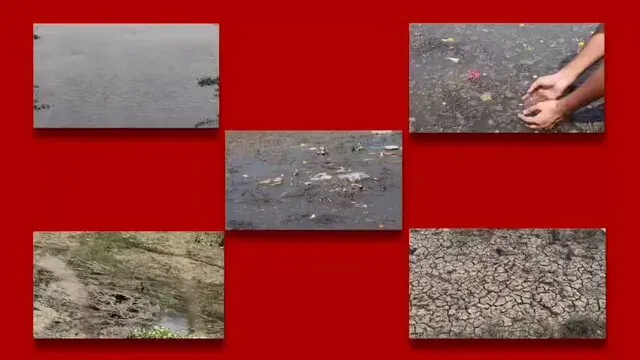
The post included a video, suggesting visual evidence of the river's condition.
The critique targets a perceived gap between official river health data and on-ground ecological reality in Uttar Pradesh .
The Namami Gange programme , launched in 2014 , covers Ganga tributaries in UP but has faced recurring questions about measurable outcomes.
The National Green Tribunal and the Central Pollution Control Board remain key institutions that could formally examine such claims.
Riverine communities, farmers, and fisherfolk dependent on affected waterways face the most direct consequences of unaddressed river degradation.
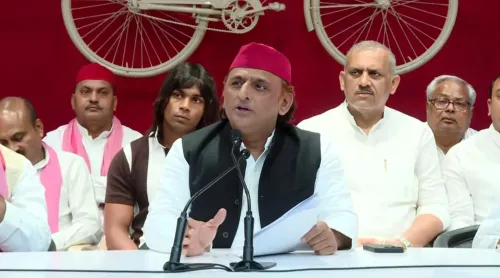
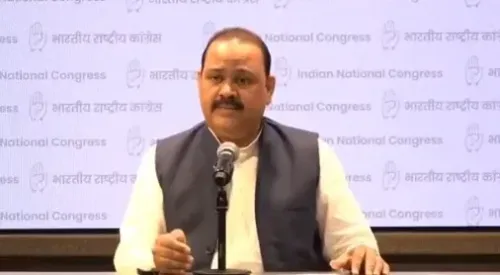
Samajwadi Party president Akhilesh Yadav on Tuesday, 7 July 2026, took aim at the government over the condition of a river named Manorama, alleging that official data projects it as healthy while the reality on the ground tells a starkly different story of pollution and dryness.
Posting on X, Yadav wrote: 'Aankdon mein beh rahi Manorama naam ki ek nadi hai — praduushit, sukhi par sarkar keh rahi sab sahi hai!' — translating to: 'In data, a river named Manorama flows — but it is polluted and dry, yet the government says all is well!'
Context
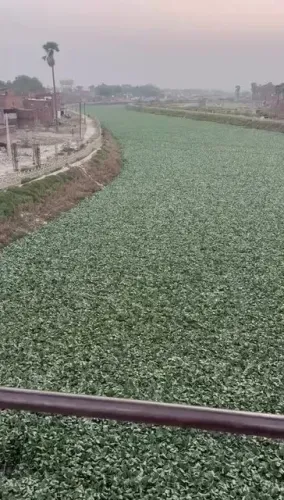
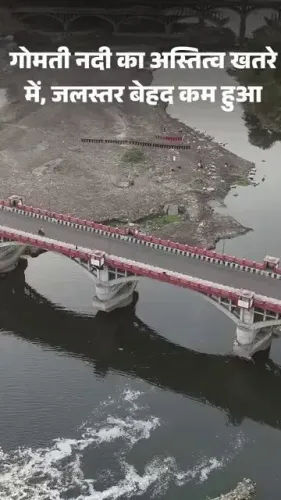
The post is a pointed jab at what Yadav frames as a growing disconnect between government-reported river health metrics and actual ecological conditions. The Manorama river, referenced in the post, is described as existing only in official statistics — flowing on paper while being polluted and dried up on the ground. Yadav shared a video alongside his post, suggesting visual documentation of the river's condition.
The critique follows a well-established pattern in Indian opposition politics: contrasting data submitted to regulatory and parliamentary bodies with field-level realities witnessed by riverine communities and environmental observers in Uttar Pradesh.
Policy Backdrop
The Namami Gange programme, launched in 2014, was designed to clean the Ganga and its tributaries through pollution abatement, sewage treatment, and river rejuvenation projects. Uttar Pradesh, as the state through which the Ganga and dozens of its tributaries flow, has been central to the programme's implementation and its controversies.
Multiple waterways across Uttar Pradesh have faced persistent challenges from industrial effluents and untreated sewage discharge, raising questions about the gap between scheme targets and measurable outcomes. Pollution control authorities periodically publish river water quality indices, but opposition parties and environmental groups have long argued these indices do not capture seasonal drying or localised contamination.
Stakeholders and Impact
Riverine communities dependent on the Manorama for irrigation, drinking water, and livelihoods are the most directly affected if the river's condition is as described. Farmers and fisherfolk along depleted or polluted waterways in Uttar Pradesh have repeatedly flagged inadequate remediation despite government assurances.
Environmental activists and bodies such as the National Green Tribunal (NGT) have taken cognisance of river pollution complaints across the state in the past. Yadav's post amplifies a concern that civil society groups have raised through legal and advocacy channels — that official data can mask ecological distress at the local level.
What's Next
The post is likely to intensify scrutiny of river quality reporting mechanisms in Uttar Pradesh, particularly ahead of the Central Pollution Control Board's annual river quality assessment cycle. Any upcoming NGT hearings on Uttar Pradesh waterways could provide a formal forum for the claims being raised.
Whether the state government or central agencies respond to the specific allegation about the Manorama river — either by releasing updated data or commissioning an independent assessment — will determine how this issue develops in the coming weeks.
Point of View
He shifts the debate from abstract policy critique to a concrete, verifiable local grievance, which is harder for authorities to dismiss. The move also keeps environmental accountability — an issue that cuts across caste and class lines — at the centre of Samajwadi Party's political messaging ahead of any electoral cycle. If the Manorama river claim is substantiated by independent assessment, it could feed into broader demands for reform of India's river quality monitoring architecture.
NationPress
6 Oct 2026
Frequently Asked Questions
What did Akhilesh Yadav say about the Manorama river?
Akhilesh Yadav alleged on 7 July 2026 that the Manorama river is polluted and dry on the ground while the government's official data claims it is in good condition.
Where is the Manorama river located?
The post by Akhilesh Yadav implies the Manorama river is located in Uttar Pradesh, though its precise location has not been independently verified from the post alone.
What is the Namami Gange programme?
Namami Gange is a central government programme launched in 2014 to clean the Ganga and its tributaries through pollution abatement, sewage treatment, and river rejuvenation projects across states including Uttar Pradesh.
Which body monitors river pollution in Uttar Pradesh?
The Central Pollution Control Board publishes annual river water quality reports, while the National Green Tribunal has jurisdiction to hear complaints about river pollution and can direct remedial action.
Why do opposition leaders frequently criticise river pollution data in India?
Opposition parties argue that official river health indices often do not capture seasonal drying or localised industrial and sewage contamination, creating a gap between reported statistics and the lived experience of riverine communities.