Akhilesh targets CM Yogi over Gorakhpur waterlogging
Synopsis
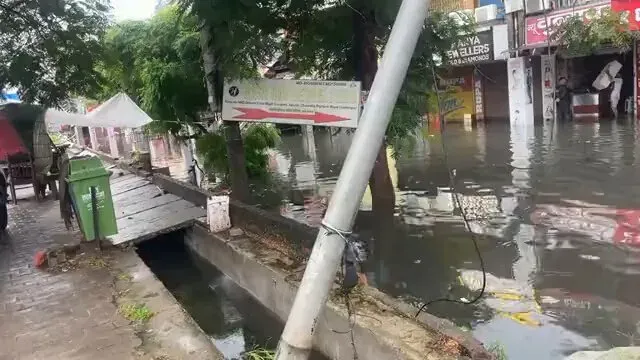
Samajwadi Party president Akhilesh Yadav on 18 July 2026 shared a video attacking CM Yogi Adityanath over Gorakhpur's monsoon waterlogging, blaming uneven road design and dubbing the city 'Jal Nagari' — Water City.
Key Takeaways
Akhilesh Yadav posted on 18 July 2026 attacking CM Yogi Adityanath over waterlogging in Gorakhpur .
The post included a video and the hashtag #जलनगरी_गोरखपुर ('Water-city Gorakhpur'), targeting road design under the BJP government.
Yadav specifically blamed 'uneven road design' ( ऊँची-नीची सड़क डिज़ाइन ) for worsening flooding in the city.
Gorakhpur is the home turf of CM Yogi Adityanath , making infrastructure failures there politically significant for both parties.
The Yogi government has prioritised road construction in Uttar Pradesh since 2017 , including projects under the Mukhya Mantri Gram Sadak Yojana .
The critique is part of a broader Samajwadi Party strategy to highlight governance failures in Purvanchal ahead of the next state elections.
Samajwadi Party president Akhilesh Yadav on Saturday, 18 July 2026 attacked Uttar Pradesh Chief Minister Yogi Adityanath over waterlogging in Gorakhpur, sharing a video that he said exposed the consequences of poor road engineering under the current state government.
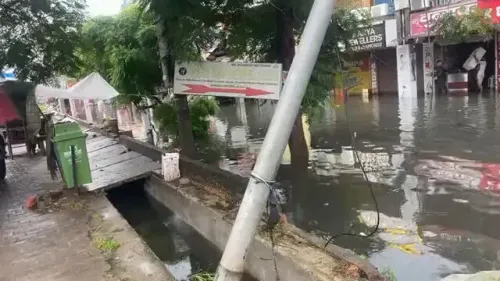
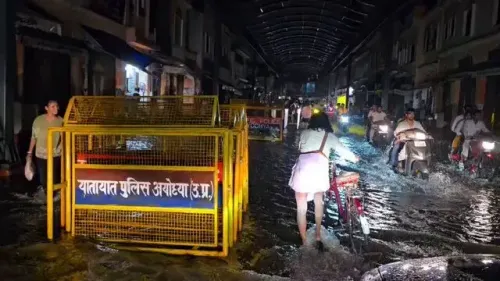
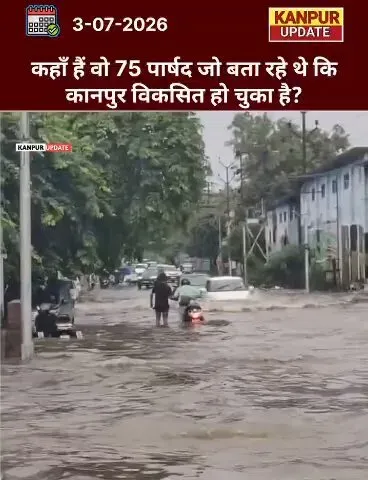
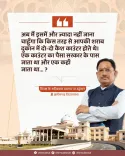
Tagging the post with the hashtag #जलनगरी_गोरखपुर ('Water-city Gorakhpur'), Yadav wrote: 'सीएम साहब की इंजीनियरिंग का देखें कमाल ऊँची-नीची सड़क डिज़ाइन से गोरखपुर बेहाल' — 'See the marvel of CM sahib's engineering: Gorakhpur is in distress because of uneven road design.' The post accompanied a video purportedly showing flooded or badly graded roads in the city during the monsoon season.
Context
Gorakhpur, a major city in eastern Uttar Pradesh, has long struggled with monsoon waterlogging. Its geography — proximity to rivers and low-lying terrain in the Purvanchal region — makes drainage a perennial civic challenge. The city also carries heavy political weight: it is the home turf of Chief Minister Yogi Adityanath, making any visible infrastructure failure there a pointed political target for the opposition.
The Samajwadi Party has made infrastructure quality a central plank of its critique of the Bharatiya Janata Party government in Lucknow. Yadav's post fits a well-established pattern in which opposition leaders use localised, visually striking evidence — flooding roads, broken pavements, stalled projects — to challenge the ruling party's narrative of rapid development.
Policy Backdrop
The Yogi Adityanath government, in power since 2017, has announced large-scale road construction and widening targets across Uttar Pradesh, including projects under the state highway modernisation programme and the Mukhya Mantri Gram Sadak Yojana. Gorakhpur has been a beneficiary of several such schemes, including bypass roads and urban road upgrades, which the government has cited as evidence of development in Purvanchal.
Critics, including the Samajwadi Party, argue that road elevation work carried out without adequate drainage planning can worsen waterlogging in low-lying areas. When roads are raised without corresponding upgrades to storm-water drains, adjacent areas can flood more severely during heavy rainfall. Yadav's reference to 'uneven road design' (ऊँची-नीची सड़क डिज़ाइन) targets precisely this concern.
During its own tenure from 2012 to 2017, the Samajwadi Party government launched multiple four-lane and expressway projects across the state, including links to Gorakhpur. The BJP has previously pointed to incomplete or delayed projects from that period as part of its own counter-narrative.
Stakeholders and Impact
Residents and daily commuters of Gorakhpur bear the most direct impact of recurring waterlogging. Flooded roads disrupt commerce, delay emergency services, and damage property, particularly in densely populated urban wards. For the urban poor without private vehicles, waterlogged streets can mean days of disrupted livelihoods during the monsoon months of July and August.
The post also has a political audience. With Uttar Pradesh assembly elections on the horizon, both the ruling party and the opposition are keenly aware that governance failures in a city as symbolically important as Gorakhpur — the Chief Minister's own stronghold — carry outsized political weight. The hashtag #जलनगरी_गोरखपुर is a deliberate rhetorical device, repurposing civic frustration into a campaign message.
What's Next
The Uttar Pradesh state government has not, as of publication, issued a formal response to Yadav's post or the video it contains. Observers will watch for whether the government commissions a drainage audit or announces road-redesign tenders for Gorakhpur in the coming weeks. The upcoming monsoon session of the Uttar Pradesh Legislative Assembly is also expected to see opposition members raise urban waterlogging and road quality as agenda items, with Gorakhpur likely to feature prominently in those debates.
For now, Yadav's post adds to a growing record of opposition pressure on the Yogi administration over the durability and design quality of its flagship infrastructure projects — pressure that is likely to intensify as the monsoon season deepens.
Point of View
One that can be replayed every monsoon season. This fits a broader pattern in Uttar Pradesh where the Samajwadi Party has sought to erode the BJP's development narrative not through grand counter-proposals but through granular, visible evidence of local failure. As assembly elections approach, expect such posts to become more frequent and more targeted at BJP strongholds across Purvanchal.
NationPress
18 Jul 2026
Frequently Asked Questions
Why is Gorakhpur waterlogged during monsoon?
Gorakhpur's waterlogging is a recurring problem caused by its low-lying terrain, proximity to rivers, and, critics argue, road elevation work carried out without adequate storm-water drainage upgrades. Akhilesh Yadav's 18 July 2026 post specifically blamed uneven road design under the Yogi Adityanath government for worsening the situation.
What did Akhilesh Yadav say about Gorakhpur roads?
Akhilesh Yadav wrote that Gorakhpur is 'in distress because of uneven road design' under CM Yogi Adityanath, sharing a video and using the hashtag #जलनगरी_गोरखपुर ('Water-city Gorakhpur') to highlight flooding in the city on 18 July 2026.
What is #जलनगरी_गोरखपुर?
#जलनगरी_गोरखपुर means 'Water-city Gorakhpur' and is a hashtag used by critics, including Samajwadi Party president Akhilesh Yadav, to draw attention to chronic waterlogging in Gorakhpur during the monsoon season.
Has the Yogi government responded to Gorakhpur waterlogging criticism?
As of 18 July 2026, the Uttar Pradesh government had not issued a formal response to Akhilesh Yadav's post. The state government has previously cited large-scale road construction and the Mukhya Mantri Gram Sadak Yojana as evidence of infrastructure progress in the region.
Why is Gorakhpur politically important for the BJP?
Gorakhpur is the home constituency and political stronghold of Chief Minister Yogi Adityanath, making any visible governance failure there — such as monsoon flooding — a high-profile target for opposition parties like the Samajwadi Party.