Akhilesh Yadav hails 'Big-Win' for youth, vows EVM reform push
Synopsis
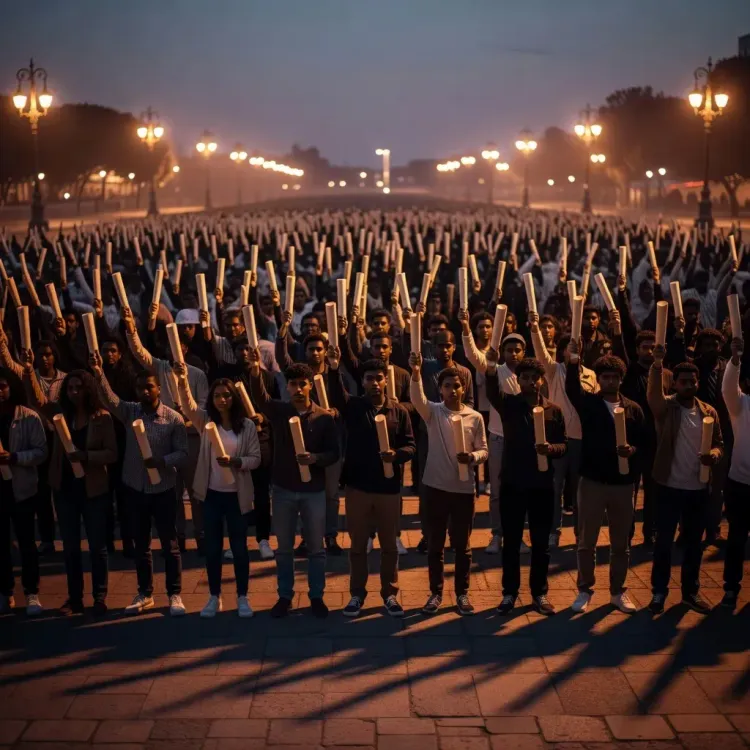
Samajwadi Party president Akhilesh Yadav on 25 July 2026 celebrated a student-led protest victory as a 'Big-Win' for morale and unity, pledging the movement will now drive EVM reforms, end BJP's alleged electoral malpractices, and usher in a new political era.
Key Takeaways
Akhilesh Yadav declared the student protest outcome a 'Big-Win' rooted in 'morale and unity' on 25 July 2026 .
He linked the education agitation to a future push for EVM and election reforms , with the Constitution as the movement's guiding document.
Yadav alleged BJP engages in electoral fraud and the buying of MPs and MLAs , claims not established by any court.
The post promised an end to bulldozer demolitions, alleged fake encounters, and atrocities against farmers, labourers, and shopkeepers .
He targeted what he called 'power-nourished media' , framing the protest victory as a challenge to the broader political-media establishment.
The Samajwadi Party has raised EVM and VVPAT concerns consistently since the 2019 general elections .
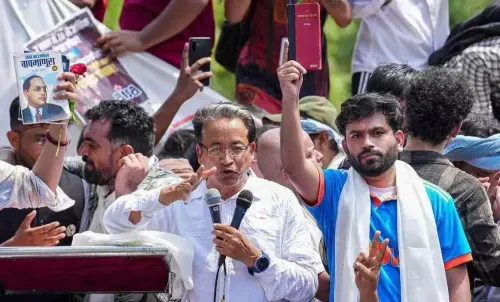
Samajwadi Party president Akhilesh Yadav on Saturday, 25 July 2026, declared a sweeping moral and political victory for student protesters, calling the outcome a triumph of 'morale and unity' and promising that the movement would now extend to electoral reforms, constitutional rights, and an end to what he described as BJP-era governance excesses.
Context
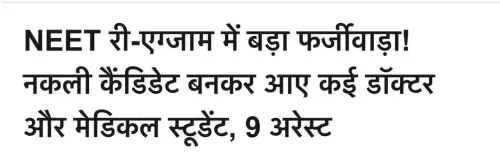
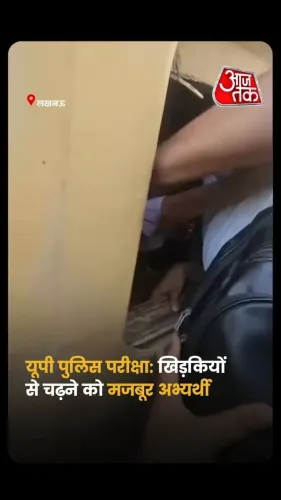
Yadav's post, written in Hindi, opens with the line 'ये मनोबल और एकता की जीत है!' ('This is a victory of morale and unity!') and extends 'infinite congratulations' to every protester and supporter of what he termed a 'Big-Win'. While the specific triggering event could not be independently verified, the post situates the victory within a broader student-led agitation over examinations and education — a reference consistent with the sustained protests that rocked the country in 2024 over alleged paper leaks in competitive examinations including NEET and several state-level recruitment tests.
The Samajwadi Party, which is based in Uttar Pradesh and positions itself as a champion of youth, farmers, and marginalised communities, has consistently linked education failures to what it characterises as systemic governance failures under the Bharatiya Janata Party.
Policy Backdrop
Yadav's post is notable for the breadth of demands it attaches to the student victory. He asserts that the movement — having 'won the battle for examination and education' — will now, in his words, 'reach EVM and election reforms, constitution in hand.' This connects to a long-running opposition campaign: the Samajwadi Party and allied parties have raised concerns about Electronic Voting Machines (EVMs) and the adequacy of VVPAT verification since at least the 2019 general elections, intensifying those demands after the 2024 Lok Sabha results.
He further alleges that the BJP engages in 'चुनावी घपलों और सांसदों-विधायकों की ख़रीद की नेगेटिव पॉलिटिक्स' ('negative politics of electoral fraud and the buying of MPs and MLAs'), and predicts an end to 'कमीशनख़ोरी के भाजपाई भ्रष्टाचार' ('BJP's commission-based corruption'). These are characterisations made by the opposition and have not been established by any court or independent authority.
Stakeholders and Impact
The post addresses an unusually wide coalition of constituencies: students, youth, farmers, labourers, shopkeepers, businesspeople, and religious minorities. Yadav pledges that bulldozer demolitions against the 'aggrieved and humiliated' will stop, that no innocent person will face an encounter, that no grieving mother will be insulted, and that no child or young person will be harmed — language that echoes SP's long-standing critique of policing and demolition drives in Uttar Pradesh under the state's current administration.
His reference to 'सत्ता पोषित मीडिया' ('power-nourished media') and its alleged complicity signals an attempt to frame the protest victory as a challenge not just to electoral politics but to the broader information ecosystem. He closes with a declaration: 'अब नया दौर आयेगा, जो बदलाव लाएगा!' ('Now a new era will come, which will bring change!').
What's Next
The immediate question is whether the student agitation Yadav is celebrating will translate into organised political pressure ahead of upcoming state assembly elections, where education, unemployment, and constitutional rights are expected to be central campaign themes. Any parliamentary motion or judicial petition on EVM reforms — which opposition parties have repeatedly sought — would be the clearest institutional follow-through from the momentum Yadav is trying to harness. The Samajwadi Party's ability to convert street-level protest energy into ballot-box gains in Uttar Pradesh and beyond will be closely watched by both allies and rivals in the coming months.
Point of View
He attempts to convert episodic student anger into a durable anti-incumbency coalition spanning youth, farmers, minorities, and small traders. The explicit pivot to EVM reform signals that the SP intends to keep electoral integrity at the centre of its campaign vocabulary ahead of the next round of state polls. The breadth of the post — from bulldozers to communal politics to media complicity — also reflects a calculated effort to consolidate opposition messaging across multiple fault lines simultaneously. Whether this rhetorical maximalism translates into organisational momentum or dissipates as routine opposition posturing will depend largely on whether the student movement sustains its pressure beyond the immediate victory.
NationPress
25 Jul 2026
Frequently Asked Questions
What is the 'Big-Win' Akhilesh Yadav is referring to?
Akhilesh Yadav described the outcome of a student-led agitation over examinations and education as a 'Big-Win,' celebrating it as a victory of morale and unity. The specific triggering event on 25 July 2026 has not been independently verified, but the post situates it within sustained protests over alleged exam paper leaks and education failures.
What are Samajwadi Party's demands on EVM reform?
The Samajwadi Party has demanded greater scrutiny of Electronic Voting Machines and expanded VVPAT verification since at least the 2019 general elections, arguing that current safeguards are insufficient to ensure electoral transparency. Yadav's post reiterates that the student movement will now extend to this cause.
What did Akhilesh Yadav say about BJP in his post?
Yadav alleged that the BJP engages in electoral fraud, the buying of MPs and MLAs, commission-based corruption, and relies on what he called 'power-nourished media.' These are opposition characterisations and have not been established by any court or independent authority.
Why did students protest over NEET and state exams in India?
Widespread student protests erupted in 2024 over alleged paper leaks in the NEET medical entrance examination and several state-level recruitment tests, with demonstrators demanding accountability, re-examinations, and systemic reform of the examination system. Opposition parties, including the Samajwadi Party, linked these failures to unemployment and broader governance lapses.
What is the Samajwadi Party's political base?
The Samajwadi Party is a major Uttar Pradesh-based opposition party that focuses on social justice, secularism, and youth issues. It draws support from OBC communities, Muslims, farmers, and urban youth, and is led by former Chief Minister and current Lok Sabha MP Akhilesh Yadav.