CM Rekha Gupta Hails Sarnath's UNESCO World Heritage Listing
Synopsis
Delhi Chief Minister Rekha Gupta hailed the inscription of Sarnath on the UNESCO World Heritage List on 25 July 2026, calling it a proud moment for India and attributing the milestone to PM Modi's focus on elevating Bharat's civilisational legacy globally.
Key Takeaways
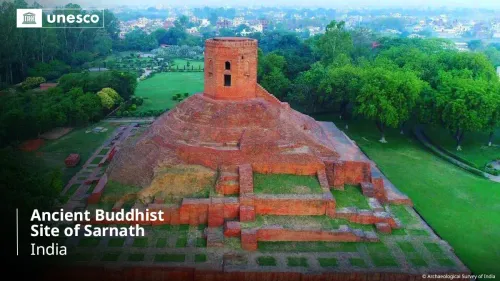
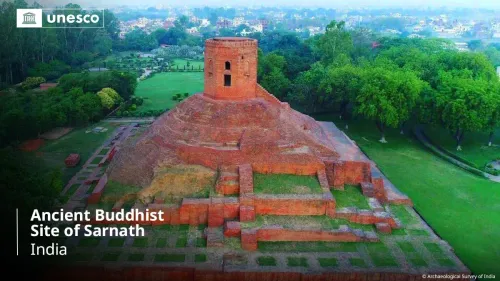
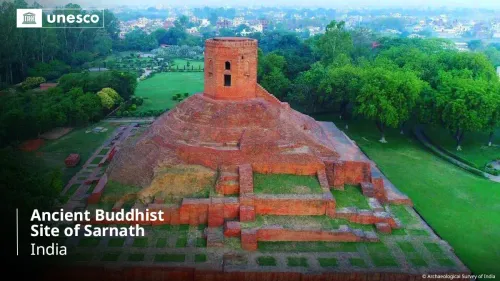
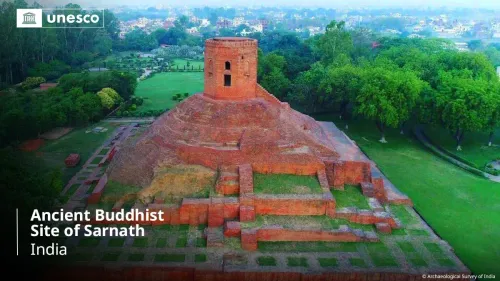
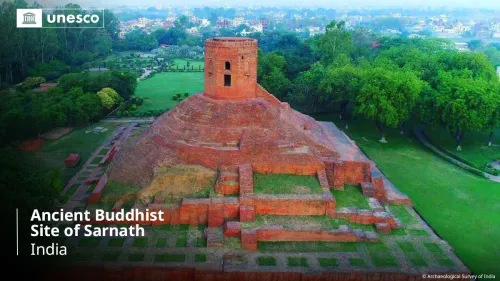
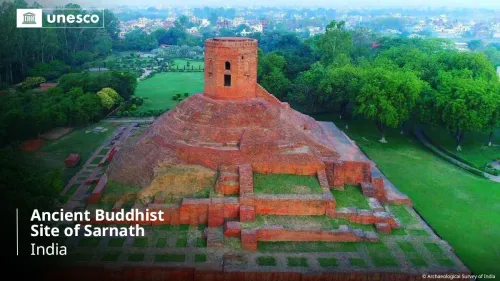
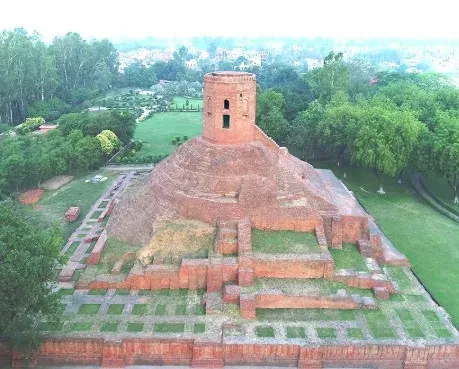
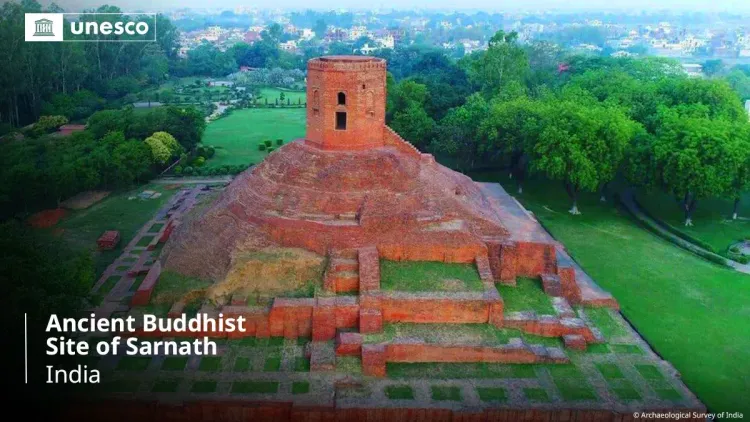
Sarnath , the site of Buddha's first sermon near Varanasi, Uttar Pradesh , has been inscribed on the UNESCO World Heritage List .
Delhi CM Rekha Gupta publicly celebrated the inscription on 25 July 2026 , crediting PM Narendra Modi's leadership.
Sarnath is revered as the place where the Dhammachakra — the wheel of Dharma — was first set in motion by Gautama Buddha .
India's earlier Buddhist UNESCO listings include the Sanchi Stupa (1989) and the Mahabodhi Temple Complex, Bodh Gaya (2002).
The Swadesh Darshan Buddhist Circuit , launched in 2014–15 , had already positioned Sarnath as a key heritage tourism destination.
The inscription is expected to boost international pilgrim footfall and strengthen India's cultural diplomacy with Buddhist-majority nations in Asia.
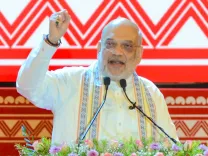
Delhi Chief Minister Rekha Gupta on Saturday, 25 July 2026, celebrated the inscription of Sarnath on the UNESCO World Heritage List, calling it 'a proud moment for every Indian' and crediting the achievement to the leadership of Prime Minister Narendra Modi.
Context
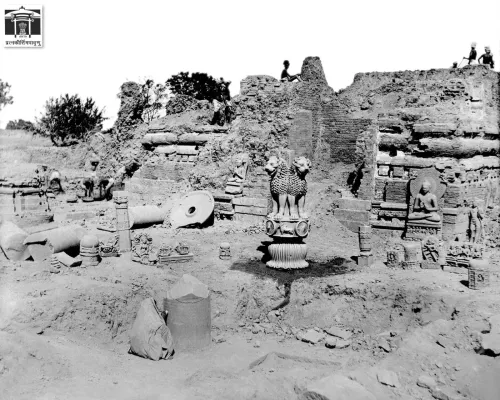
Sarnath, located near Varanasi in Uttar Pradesh, is one of the most sacred sites in Buddhism. It is the place where Gautama Buddha delivered his first sermon after attaining enlightenment, setting in motion what is known as the Dhammachakra Pravartana — the 'turning of the wheel of Dharma'. Gupta described it as 'the sacred soil from which the Dhammachakra first turned and Lord Buddha's message of Karuna, Maitri and Shanti [compassion, friendship and peace] travelled to the world.'
The UNESCO World Heritage Committee evaluates sites for outstanding universal value, and Sarnath's inscription places it among the world's most recognised cultural and spiritual landmarks. India's Buddhist heritage has been progressively gaining international formal recognition over several decades.
Policy Backdrop
India's engagement with UNESCO on Buddhist heritage has a long arc. The Sanchi Stupa and associated monuments were inscribed as early as 1989, and the Mahabodhi Temple Complex at Bodh Gaya followed in 2002. Sarnath's inscription continues this trajectory, reinforcing India's position as the fountainhead of Buddhist civilisation.
Under the Swadesh Darshan scheme, launched in 2014–15, the government developed a dedicated Buddhist Circuit covering Sarnath and other pilgrimage sites, integrating infrastructure upgrades with heritage tourism. The current administration has deepened this approach by linking site development with cultural diplomacy toward Buddhist-majority nations across Asia.
Gupta noted that 'under the leadership of Hon'ble Prime Minister Shri Narendra Modi Ji, Bharat's glorious heritage is receiving its rightful recognition and renewed prestige on the global stage,' framing the inscription as part of a deliberate, sustained national effort.
Stakeholders and Impact
The inscription is expected to significantly benefit the Uttar Pradesh tourism sector, which already draws millions of Buddhist pilgrims from countries including Sri Lanka, Japan, Thailand, Myanmar, and South Korea each year. A UNESCO listing typically triggers a measurable rise in international tourist footfall and can unlock additional conservation funding.
For the broader Buddhist community worldwide, the recognition affirms Sarnath's status as a living heritage site of universal spiritual importance. Heritage conservationists and archaeologists working at the site stand to benefit from increased global attention and resources directed toward preservation.
What's Next
With Sarnath now formally inscribed, attention is likely to turn to other sites on India's tentative UNESCO list, including additional ancient Buddhist and archaeological monuments. The government is expected to leverage the listing in upcoming diplomatic engagements with Buddhist-majority nations, reinforcing the soft-power dimension of heritage recognition.
The UNESCO World Heritage Committee's next sessions will be closely watched for any further Indian nominations, as New Delhi continues its strategy of translating civilisational legacy into contemporary international prestige.
Point of View
Delhi CM Rekha Gupta reinforces the BJP's consistent messaging that the current government is uniquely capable of securing global recognition for India's ancient heritage. The move also carries strategic weight beyond domestic politics — UNESCO listings of Buddhist sites serve as soft-power instruments in India's outreach to Sri Lanka, Japan, Thailand, and other Buddhist-majority nations. Expect the listing to be woven into cultural diplomacy talking points at upcoming bilateral summits and multilateral forums.
NationPress
26 Jul 2026
Frequently Asked Questions
Why has Sarnath been inscribed on the UNESCO World Heritage List?
Sarnath has been inscribed for its outstanding universal value as the site where Gautama Buddha delivered his first sermon, making it one of the most sacred locations in Buddhism and a landmark of global civilisational heritage.
Where is Sarnath located?
Sarnath is located near Varanasi in Uttar Pradesh, India, and is one of the four major Buddhist pilgrimage sites associated with the life of Gautama Buddha.
What is the Dhammachakra that Rekha Gupta mentioned?
The Dhammachakra, or 'wheel of Dharma,' refers to Buddha's first sermon at Sarnath in which he set out the core teachings of Buddhism — including compassion, friendship, and peace — for the first time after attaining enlightenment.
Which other Buddhist sites in India are on the UNESCO World Heritage List?
The Sanchi Stupa and associated Buddhist monuments were inscribed in 1989, and the Mahabodhi Temple Complex at Bodh Gaya was inscribed in 2002, making them India's two major previously recognised Buddhist UNESCO sites.
What is the Swadesh Darshan Buddhist Circuit?
The Swadesh Darshan scheme, launched in 2014–15, included a Buddhist Circuit covering Sarnath and other pilgrimage sites, funding infrastructure development to boost heritage tourism across these sacred locations.