Allahabad HC stays Nandlal Rai's murder conviction ahead of 2027 UP polls
Synopsis
The Allahabad High Court has stayed the murder conviction of former BJP worker Nandlal Rai alias Babloo Rai, invoking an unusual 'right to livelihood' argument to allow him to contest the 2027 UP Assembly elections. The bench's observation — that a common man's livelihood right is no less important than a politician's right to contest — adds a fresh dimension to how Indian courts balance criminal convictions against electoral rights.
Key Takeaways
The Allahabad High Court stayed the conviction and sentence of Nandlal Rai alias Babloo Rai in a 2017 murder case on 5 October 2026 .
The bench, led by Justice Siddharth and Justice Vinai Kumar Dwivedi , held that the right to livelihood of a common man is no less important than a politician's right to contest elections.
Rai, a former BJP worker, wishes to contest the 2027 Uttar Pradesh Assembly elections as an independent or on a BJP ticket.
The court cited the Supreme Court's Afzal Ansari vs State of UP (2024) judgment on the parameters for suspending a conviction.
Rai must deposit 50% of the fine within one month of release and cannot sell or transfer immovable property without court permission while on bail.
The defence challenged Rai's non-mention in the original FIR , witness credibility, and argued the case rested on circumstantial evidence.
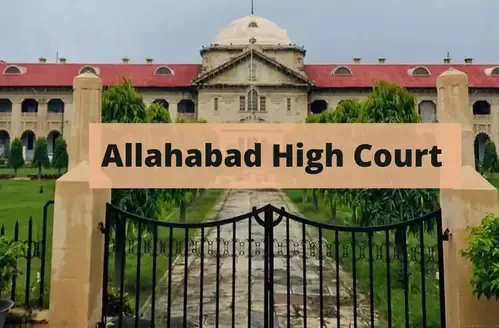
The Allahabad High Court has stayed the conviction and sentence of Nandlal Rai alias Babloo Rai in a 2017 murder case, clearing a potential path for him to contest the 2027 Uttar Pradesh Assembly elections. The order, passed on 5 October 2026, came from a bench led by Justice Siddharth and Justice Vinai Kumar Dwivedi while hearing Rai's criminal appeal against the trial court's conviction.
What the Court Ruled
The bench stayed both the conviction and sentence during the pendency of Rai's appeal, reasoning that the matter was unlikely to be heard in the near future given the appeal was filed in 2026. The court held that a stay was warranted to prevent injustice and irreversible consequences before a final verdict is reached.
Granting bail, the High Court directed Rai to be released upon furnishing a personal bond and two sureties of a like amount to the satisfaction of the concerned court. He must also deposit 50 per cent of the fine within one month of release, while the remaining amount remains stayed during the appeal.
The 'Right to Livelihood' Observation
In a notable observation, the Justice Siddharth-led bench equated the electoral aspirations of an ordinary citizen with those of a politician. 'Keeping in view the right to livelihood of a common man which is not less important than the right to contest election by a politician, conviction and sentence of appellant deserves to be stayed so that he may be able to survive for hearing the final verdict in his above noted appeal,' the court stated.
The bench also cited the Supreme Court's judgment in Afzal Ansari vs State of Uttar Pradesh (2024), which laid down parameters for suspending a conviction — including whether withholding relief would cause injustice or irreversible harm. The court noted that the apex court had, on several occasions, stayed convictions of public representatives factoring in the impact on their ability to contest elections.
Rai's Background and Electoral Ambitions
Rai, who claims to have been an active worker of the Bharatiya Janata Party (BJP) before his conviction, told the court he wishes to contest the 2027 UP Assembly elections either as an independent candidate or, if possible, on a BJP ticket. Under the Representation of the People Act, a conviction with a sentence of two years or more bars a person from contesting elections for a period of six years after serving the sentence — making the stay of conviction legally critical to his electoral eligibility.
Defence Challenges and Bail Conditions
Rai's counsel argued before the court that he was not named in the original First Information Report (FIR), and that his alleged involvement surfaced only around 17 days after the FIR was lodged. The defence also questioned the credibility of prosecution witnesses, contending that one witness was not an eyewitness and another denied seeing the incident during cross-examination. The alleged recovery of a pistol from co-accused Sheshnath Sharma was challenged as fabricated and planted.
The counsel argued that the prosecution's case rested substantially on circumstantial evidence, with no complete and unbroken chain conclusively establishing guilt. Notably, while the prosecution opposed the bail plea, the Additional Government Advocate reportedly could not dispute the contentions raised by the defence, as recorded in the court order.
Among the bail conditions imposed, Rai is barred from transferring, selling, or otherwise alienating any immovable property in his name without prior court permission. The High Court also directed its office to ensure the paper book is prepared within six weeks and ordered the appeal to be listed for hearing in due course.
The Underlying Case
The case concerns the alleged murder of the father of the complainant, who was reportedly shot dead while returning home from a market at around 7:30 pm. The trial court had convicted Rai in this matter, a judgment he has now successfully challenged at the interim stage before the High Court.
The outcome of Rai's criminal appeal — and whether his stay of conviction holds through to the 2027 polls — will be closely watched as the political calendar in Uttar Pradesh heats up.
Point of View
Courts may face a rising tide of conviction-stay pleas from candidates ahead of every election cycle. What is notable here is that the defence's core challenges — the accused not being named in the FIR and alleged gaps in witness testimony — were reportedly left largely undisputed by the prosecution, which raises questions about the state's preparation of the case. More broadly, the ruling sits in tension with the Supreme Court's own push, in other contexts, to keep individuals with serious criminal cases away from electoral politics. The final appeal verdict, whenever it arrives, will carry consequences well beyond one candidate's fate.
NationPress
19 Oct 2026
Frequently Asked Questions
Why did the Allahabad High Court stay Nandlal Rai's murder conviction?
The Allahabad High Court stayed Rai's conviction on 5 October 2026, reasoning that the appeal filed in 2026 was unlikely to be heard soon and that denying a stay could cause irreversible harm. The bench also held that the right to livelihood of a common man — including the ability to contest elections — justified the relief, citing the Supreme Court's Afzal Ansari vs State of UP (2024) ruling on suspension of convictions.
How does the stay affect Nandlal Rai's eligibility for the 2027 UP elections?
Under the Representation of the People Act, a conviction with a sentence of two years or more bars a candidate from contesting elections for six years after serving the sentence. With the conviction now stayed, Rai is legally eligible to file his candidature for the 2027 Uttar Pradesh Assembly elections as an independent or on a party ticket.
What conditions has the High Court imposed on Nandlal Rai's bail?
Rai must furnish a personal bond and two sureties to the satisfaction of the court, deposit 50 per cent of the fine within one month of release, and refrain from selling, transferring, or alienating any immovable property in his name without the court's prior permission while on bail.
What are the main arguments Rai's defence raised against his conviction?
The defence argued that Rai was not named in the original FIR and that his alleged involvement only emerged about 17 days after it was lodged. It also questioned the credibility of prosecution witnesses and contended that the case rested substantially on circumstantial evidence without a complete and unbroken chain of guilt.
What is the Afzal Ansari vs State of UP (2024) judgment referenced in the order?
The Afzal Ansari vs State of Uttar Pradesh (2024) is a Supreme Court judgment that laid down the parameters for suspending a conviction — including whether failure to grant a stay would lead to injustice or irreversible consequences. The Allahabad High Court relied on it as precedent for staying Rai's conviction pending the outcome of his criminal appeal.