Allahabad HC orders UP panchayat polls within 3 months, upholds admin arrangement
Synopsis
The Allahabad High Court has set a firm three-month deadline for Uttar Pradesh panchayat elections, refusing to let OBC reservation work delay the process and endorsing outgoing gram pradhans as temporary administrators. With 11 petitions — including six PILs — behind this ruling, it directly shapes grassroots democracy for millions across India's largest state.
Key Takeaways
The Allahabad High Court on 14 October 2026 ordered the Uttar Pradesh government and State Election Commission to complete three-tier panchayat elections within three months .
The court upheld the state government's decision to appoint outgoing gram pradhans as administrators after panchayat tenures expired.
A division bench of Justice Ajit Kumar and Justice Garima Prasad delivered the ruling after hearing 11 petitions , including 6 PILs .
Elections will proceed under existing rules with 27 per cent OBC reservation; the process will not wait for the OBC Commission to complete its exercise.
The State Election Commission must file an affidavit explaining its readiness under Article 243-E and will determine phase-wise election dates.
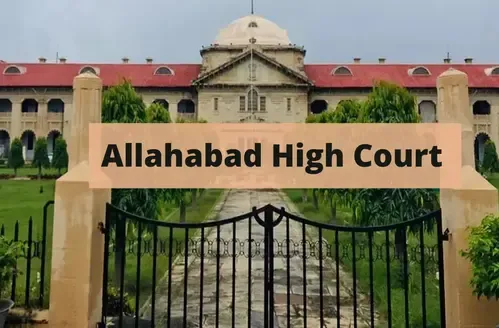
The Allahabad High Court on Wednesday, 14 October 2026, directed the Uttar Pradesh government and the State Election Commission to complete the three-tier panchayat election process within three months. The court also upheld the state government's decision to appoint outgoing gram pradhans as administrators following the expiry of gram panchayat tenures — a move that had triggered a clutch of legal challenges.
Key Directions from the Court
A division bench of Justice Ajit Kumar and Justice Garima Prasad delivered the ruling in open court after concluding hearings on all related petitions. The bench made clear that outgoing gram pradhans would continue functioning as administrators in the interim. The order binds both the state government and the State Election Commission to complete the electoral process within the stipulated period.
Notably, the court also sought an affidavit from the State Election Commission asking it to clarify whether it was in a position to conduct elections on time in line with the constitutional mandate under Article 243-E, and to explain why the process could not be completed within the prescribed timeframe.
What Triggered the Case
The matter arose after the Uttar Pradesh government decided to appoint outgoing gram pradhans as administrators once their five-year terms expired — instead of ensuring elections were held beforehand. This arrangement prompted 11 petitions, including six Public Interest Litigations (PILs), to be filed before the High Court. Petitioners argued that the election process should have been completed before the expiry of panchayat tenures to ensure the timely constitution of democratically elected bodies, as mandated by the Constitution.
OBC Reservation: Clarification on How It Applies
The issue of reservation for Other Backward Classes (OBCs) in the panchayat elections also came up during the hearing. The court clarified that the OBC Commission would continue its work independently, but the panchayat election process would not be held hostage to the completion of that exercise. Elections will proceed under existing rules, with the 27 per cent OBC reservation provision continuing to apply.
What Happens Next
The High Court's ruling is expected to resolve the legal uncertainty that had stalled the panchayat election calendar in Uttar Pradesh. The State Election Commission retains the authority to determine specific election dates and a phase-wise schedule within the three-month window set by the court. With Uttar Pradesh being India's most populous state and panchayat elections affecting millions of voters at the grassroots level, the timeline now effectively begins from this ruling.
Point of View
Using administrative appointments as a prolonged buffer. By decoupling the OBC reservation process from the election calendar, the bench has pre-empted the most likely tool for delay. The affidavit demand from the State Election Commission is pointed: it puts the constitutional onus squarely on the commission to justify any further postponement. With UP's panchayat polls affecting representation at the most granular level of governance, the three-month clock is both a legal and political pressure point for the state administration.
NationPress
14 Oct 2026
Frequently Asked Questions
What did the Allahabad High Court order regarding UP panchayat elections?
The Allahabad High Court on 14 October 2026 directed the Uttar Pradesh government and the State Election Commission to complete the three-tier panchayat election process within three months. The court also upheld the appointment of outgoing gram pradhans as administrators in the interim.
Why were petitions filed against the UP government's arrangement?
A total of 11 petitions, including six PILs, were filed because the state government appointed outgoing gram pradhans as administrators after their tenure expired instead of conducting elections on time. Petitioners argued this violated the constitutional mandate for timely panchayat elections under Article 243-E.
Will OBC reservation delay the UP panchayat elections?
No. The court clarified that while the OBC Commission will continue its work, panchayat elections will not be contingent on the completion of the OBC reservation exercise. Elections will be held under existing rules with the 27 per cent OBC reservation provision intact.
Who will set the actual dates for the UP panchayat elections?
The State Election Commission will determine the specific election dates and phase-wise schedule, subject to the three-month deadline set by the Allahabad High Court. The commission has also been asked to file an affidavit on its readiness to conduct elections as per the constitutional mandate.
What is Article 243-E and why is it relevant here?
Article 243-E of the Indian Constitution mandates that panchayat elections must be conducted before the expiry of their five-year tenure. The Allahabad High Court invoked it to underline that the State Election Commission is constitutionally obligated to ensure timely elections, and asked the commission to explain why it failed to do so.