Amit Shah: Bharat Taxi to reach 500+ cities in 2 years
Synopsis
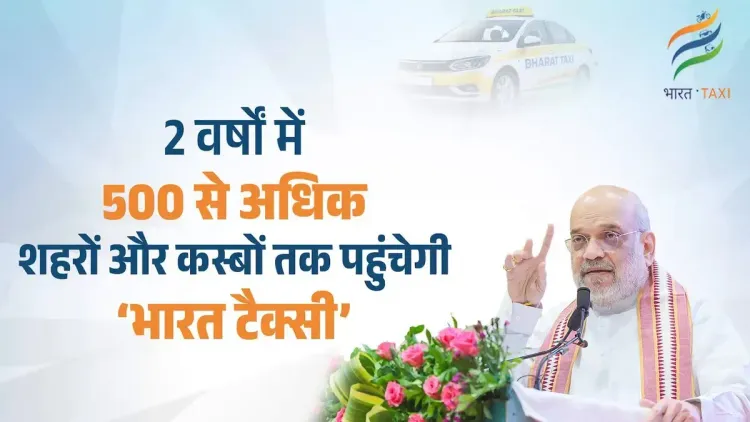
Union Home Minister Amit Shah announced on 27 June 2026 that Bharat Taxi will expand to over 500 cities and towns within two years. Services will launch at seven major locations across India before 31 July 2026, marking a significant step in the central government's national mobility push.
Key Takeaways
Bharat Taxi is set to reach more than 500 cities and towns across India within two years .
Services will be operational at 7 major locations in the country before 31 July 2026 .
The announcement was made by Union Home Minister Amit Shah on 27 June 2026 .
Shah also holds the portfolio of Minister of Cooperation , suggesting a possible cooperative-sector structure for the service.
Urban commuters in Tier-2 and Tier-3 cities are among the primary target beneficiaries of the expansion.
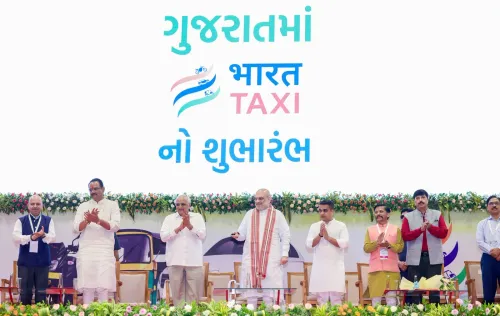
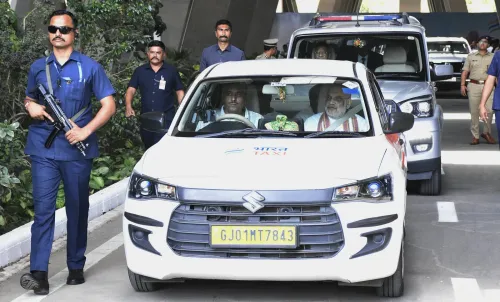
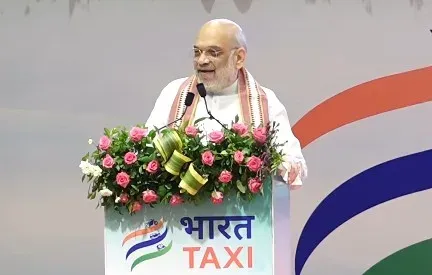
Union Home Minister Amit Shah on Saturday, 27 June 2026 announced that Bharat Taxi will expand to more than 500 cities and towns across India within two years, with services set to go live at seven major locations in the country before 31 July.
Context
Shah posted on X, stating: '2 वर्षों में 'भारत टैक्सी' 500 से अधिक शहरों और कस्बों तक पहुंचेगी, वहीं 31 जुलाई से पहले देश के 7 प्रमुख स्थानों पर इसकी सेवाएं उपलब्ध हो जाएंगी।' — 'Within two years, Bharat Taxi will reach more than 500 cities and towns; services will be available at 7 major locations in the country before 31 July.' The announcement frames Bharat Taxi as a phased, nationally scaled mobility initiative, with an immediate near-term milestone set for the end of July 2026.
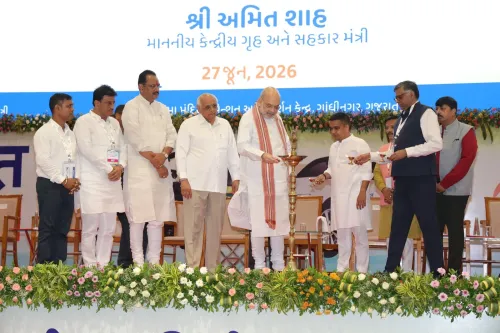
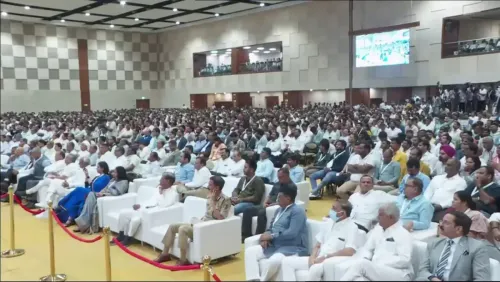
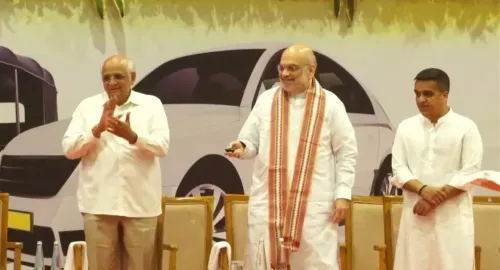
The post was accompanied by a video, suggesting the announcement may have included a formal launch or promotional event. Shah, who also holds the portfolio of Minister of Cooperation, has been a prominent face for central government initiatives spanning infrastructure, public services, and cooperative sector reform.
Policy Backdrop
The central government has consistently pursued multi-year, phased rollouts for transport and mobility services, aiming to extend organised, technology-enabled options beyond major metros to smaller cities and towns. Branded national platforms in the mobility sector align with a broader push to standardise and scale public-facing services under a single national identity.
The two-year timeline to cover 500-plus cities and towns follows a pattern seen in earlier infrastructure programmes, where initial coverage at select flagship locations is used to demonstrate operational readiness before a wider national rollout. Urban commuters in Tier-2 and Tier-3 cities stand to be the primary beneficiaries of such expansion.
Stakeholders and Impact
The most immediate impact will be felt by commuters in the seven major locations where services are to begin before 31 July 2026. If the two-year expansion target is met, the service would reach a significant share of India's urban and semi-urban population, including residents of smaller towns who currently have limited access to organised cab or taxi services.
Existing private and app-based cab aggregators operating in these markets will face a new government-backed competitor. The cooperative sector angle — given Shah's dual portfolio — could mean the service is structured with driver-owner cooperatives or similar models, potentially altering income dynamics for last-mile transport workers.
What's Next
The immediate marker to watch is whether Bharat Taxi becomes operational at the stated seven major locations before 31 July 2026. Subsequent progress reports on city-by-city rollout will indicate whether the two-year, 500-plus cities target is on track. Operational details — including fare structures, driver onboarding models, and technology infrastructure — are expected to emerge as the initial launch locations go live.
If the cooperative ministry's involvement shapes the service's structure, it could set a template for government-backed mobility platforms that prioritise driver welfare alongside affordable fares for commuters across India's rapidly urbanising smaller cities.
Point of View
Distinguishing it from purely private aggregator models. The near-term deadline of 31 July for seven locations creates a concrete accountability marker, which is unusual for announcements of this scale and suggests a degree of operational readiness already in place. Whether the two-year, 500-city target holds will be a significant test of the government's capacity to execute large-scale mobility infrastructure at pace.
NationPress
26 Sept 2026
Frequently Asked Questions
What is Bharat Taxi?
Bharat Taxi is a government-backed taxi and cab service announced by Union Home Minister Amit Shah, aimed at providing organised mobility options across more than 500 cities and towns in India within two years.
When will Bharat Taxi launch?
Bharat Taxi is set to begin services at seven major locations across India before 31 July 2026, with a wider rollout to over 500 cities and towns planned within two years.
Which cities will get Bharat Taxi first?
Union Home Minister Amit Shah stated that seven major locations will receive Bharat Taxi services before 31 July 2026, though the specific cities were not named in the announcement.
How many cities will Bharat Taxi cover?
According to Amit Shah's announcement, Bharat Taxi will expand to more than 500 cities and towns across India within two years of its launch.
Is Bharat Taxi a government scheme?
Yes, Bharat Taxi is a centrally backed mobility initiative announced by Union Home Minister and Minister of Cooperation Amit Shah, with a phased rollout starting at seven major locations before 31 July 2026.