Amit Shah condoles Ahmedabad firecracker factory blast
Synopsis
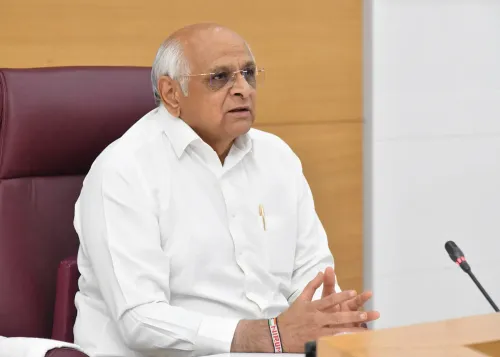
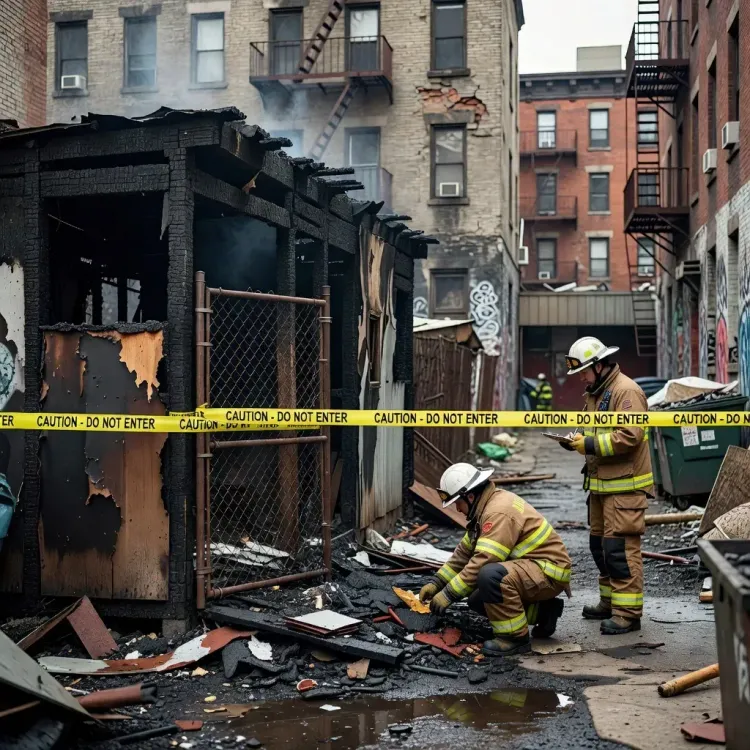
Union Home Minister Amit Shah on 18 July 2026 expressed condolences over a firecracker factory accident in Ramol, Ahmedabad. Posting in Hindi and Gujarati, he said his sympathies are with bereaved families and confirmed that injured persons are receiving all possible medical care.
Key Takeaways
A firecracker factory accident occurred at Ramol, Ahmedabad on or before 18 July 2026 .
Union Home Minister Amit Shah expressed condolences to families who lost loved ones in the tragedy.
Shah confirmed that injured persons are being provided all possible medical facilities .
The post was issued in both Hindi and Gujarati , reflecting the Gujarat-centric nature of the incident.
Firecracker factories in India are regulated under the Explosives Act and state factory rules, though enforcement gaps persist.
A formal inquiry, compensation announcements, and safety audits are expected to follow the incident.
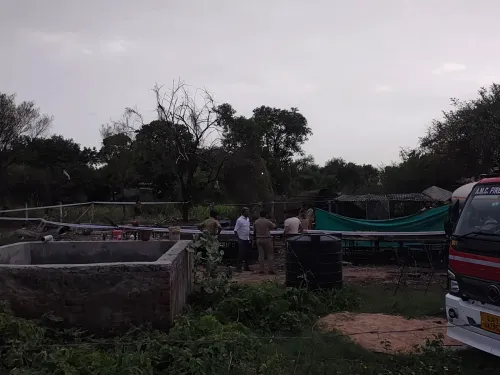
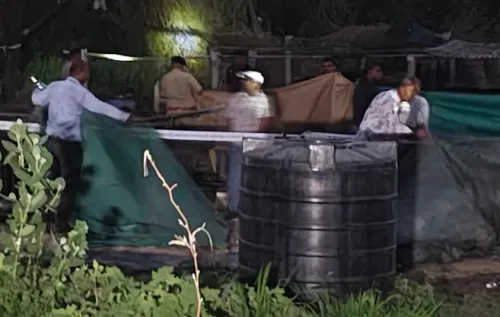
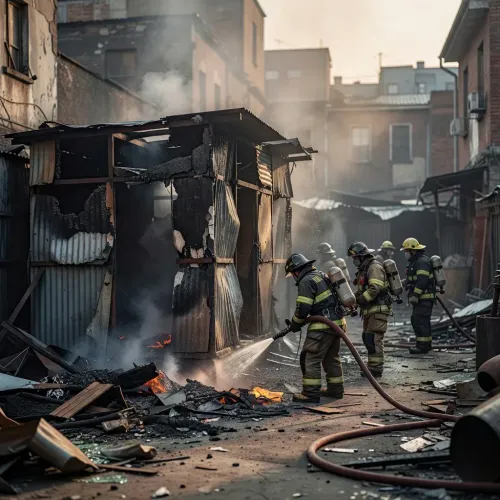
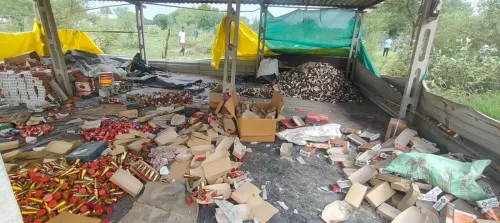
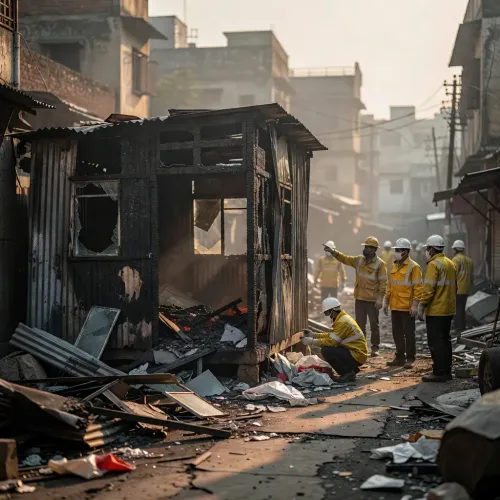
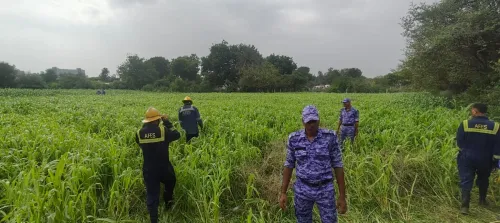
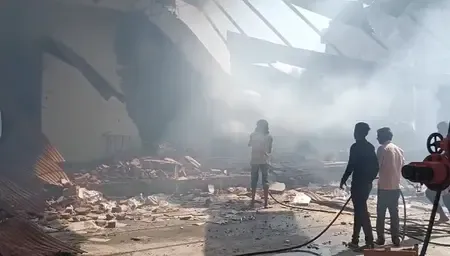
Union Home Minister Amit Shah on Saturday, 18 July 2026 expressed his condolences over a deadly accident at a firecracker factory in Ramol, Ahmedabad, saying those who lost loved ones in the tragedy have his deepest sympathies. Shah also confirmed that injured persons are being provided all possible medical assistance and prayed for their speedy recovery.
Posting in both Hindi and Gujarati on X, Shah wrote: 'Ahmedabad ke Ramol mein patakha factory mein hui durghatna atyant du:khad hai' ('The accident at the firecracker factory in Ramol, Ahmedabad is extremely tragic'). He added that his sympathies are with all those who have lost their near and dear ones in the incident, and that the injured are receiving the best medical care available.
Context
The incident occurred at a firecracker manufacturing unit in Ramol, an industrial locality in Ahmedabad, Gujarat. Firecracker factories in India are regulated under the Explosives Act and state factory rules, which mandate strict licensing and safety protocols for storage and handling of explosive materials. Ramol has historically been home to small-scale industrial units, making it particularly vulnerable to such hazards.
Shah's statement, issued in both Hindi and Gujarati, reflects the political and cultural significance of addressing Gujarat-based tragedies in the local language — a standard practice for leaders with strong ties to the state.
Policy Backdrop
Firecracker manufacturing clusters across Gujarat and Tamil Nadu have witnessed periodic accidents linked to improper storage, handling, and ventilation of explosive raw materials. Despite licensing requirements under central and state law, enforcement gaps have repeatedly led to casualties in such units. The Union Home Ministry and state governments typically coordinate on post-incident relief, medical support, and formal inquiries following such tragedies.
Under the existing framework, state governments bear primary responsibility for factory inspections and safety audits, while the Centre may step in to support relief efforts or order broader policy reviews when incidents attract national attention.
Stakeholders and Impact
The most immediate stakeholders are the workers and families affected by the Ramol blast. Firecracker factory workers are often daily-wage labourers with limited access to occupational safety protections, making them disproportionately vulnerable in such accidents. The injured are reportedly receiving medical treatment, though specific casualty figures have not been officially confirmed at the time of this report.
The Gujarat government is expected to coordinate ground-level relief and medical response, while the Home Ministry's acknowledgement signals central-level attention to the incident. Affected families may also be eligible for ex-gratia compensation under state disaster relief norms.
What's Next
Authorities are expected to order a formal inquiry into the cause of the accident, with scrutiny likely falling on the factory's licensing status, safety compliance, and storage conditions. Any such investigation would be conducted under the Explosives Act and relevant Gujarat factory regulations.
The incident may also prompt a broader review of safety audits at firecracker units across the state. Advocates for worker safety have long called for stricter enforcement of existing rules, and high-profile tragedies of this nature typically renew pressure on both state and central regulators to act.
Point of View
A state it has governed continuously since 1995. By personally acknowledging the tragedy and confirming medical relief, the Home Minister signals central-government attention without pre-empting the state administration's formal response. The statement fits a recurring pattern where senior Union ministers issue condolences after industrial accidents in BJP-governed states, balancing empathy with administrative accountability. The real test will come in the weeks ahead, when inquiry reports and compensation decisions will determine whether the tragedy translates into meaningful enforcement reform.
NationPress
18 Jul 2026
Frequently Asked Questions
What happened at the Ramol firecracker factory in Ahmedabad?
A firecracker manufacturing unit in Ramol, an industrial area of Ahmedabad, Gujarat, suffered a serious accident on or around 18 July 2026, resulting in casualties and injuries among workers at the site.
What did Amit Shah say about the Ahmedabad firecracker factory accident?
Union Home Minister Amit Shah called the accident 'extremely tragic,' expressed condolences to families who lost loved ones, and confirmed that injured persons are receiving all possible medical assistance. He also prayed for the speedy recovery of the injured.
Who is responsible for safety at firecracker factories in India?
Firecracker factories are regulated under the central Explosives Act and state factory rules. State governments are primarily responsible for licensing, inspections, and safety audits, while the Centre may coordinate relief and broader policy reviews after major incidents.
What compensation can victims of the Ramol factory accident expect?
While no specific compensation has been announced at the time of this report, affected families may be eligible for ex-gratia relief under Gujarat state disaster relief norms. Formal announcements are expected following the official inquiry.
Why do firecracker factory accidents keep happening in India?
Periodic accidents at firecracker units in India — particularly in Gujarat and Tamil Nadu — are linked to gaps in enforcement of storage and handling rules under the Explosives Act, inadequate ventilation, and the prevalence of daily-wage workers with limited occupational safety protections.