CM Fadnavis Launches 3 Elevated Highways in Pune With Upfront Funding
Synopsis
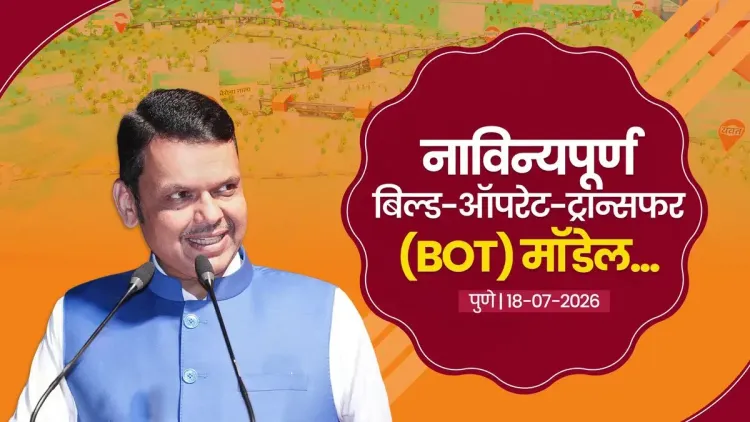
Maharashtra CM Devendra Fadnavis broke ground on three elevated highway projects in Pune on 18 July 2026, announcing that the state government will — for the first time — receive upfront funding for such urban infrastructure works, marking a shift from the conventional reimbursement-based financing model.
Key Takeaways
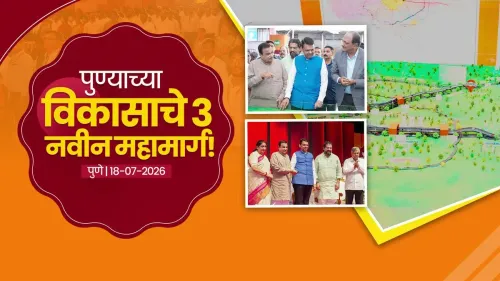
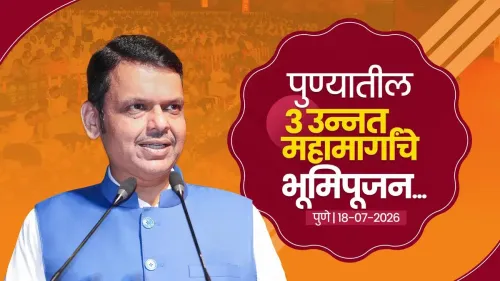
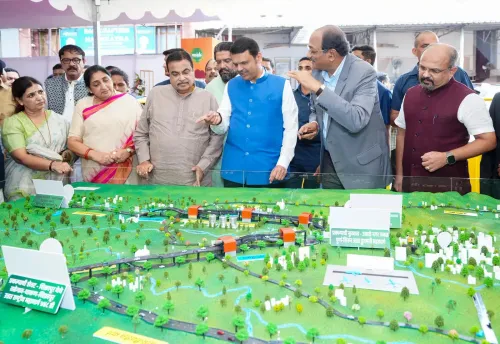
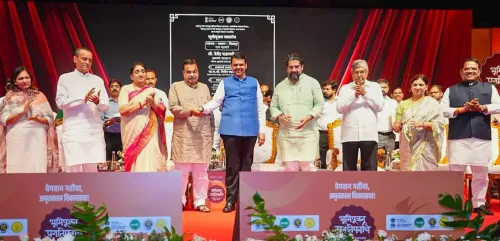
CM Devendra Fadnavis performed the bhoomipujan of 3 elevated highway projects in Pune on 18 July 2026 .
For the first time , the Maharashtra government will receive upfront funding for these projects, departing from the traditional reimbursement model.
The shift to upfront disbursement is designed to reduce execution delays and ease contractor working-capital pressures.
Pune , a major IT and education hub with chronic traffic congestion, is the direct beneficiary of the elevated highway push.
Formal sanction letters, disbursement schedules, and tendering details for the three corridors are yet to be released.
A successful upfront-funding model could be replicated for elevated highway projects in other Maharashtra cities.
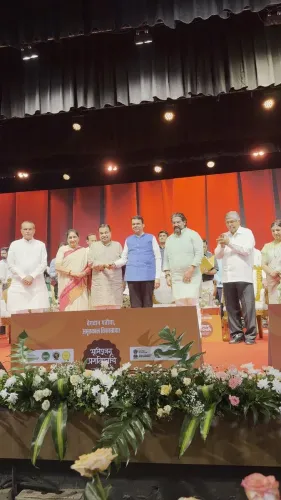
Maharashtra Chief Minister Devendra Fadnavis on Saturday, 18 July 2026, performed the bhoomipujan (groundbreaking) of three elevated highway projects in Pune, marking a significant shift in how the state intends to finance urban infrastructure — with the government set to receive 'upfront' funding for the first time for such projects.
Context
Posting on X, Fadnavis announced in Marathi and Hindi: 'पुण्यातील 3 उन्नत महामार्ग प्रकल्पांसाठी प्रथमच सरकारला अपफ्रंट निधी मिळणार' — translated: 'For the first time, the government will receive upfront funding for 3 elevated highway projects in Pune.' The event was held in Pune on 18 July 2026.
The announcement signals a departure from the conventional reimbursement-based or milestone-linked disbursement model that has historically governed infrastructure grants in Maharashtra. Receiving funds at the outset rather than in arrears is expected to reduce execution delays and improve contractor liquidity.
Policy Backdrop
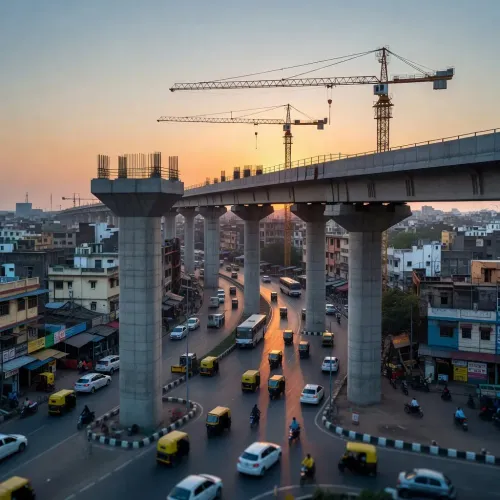
Maharashtra has pursued elevated road corridors and urban highway expansions in Pune since the 2010s, driven by the city's rapid growth as an IT and education hub. Chronic traffic congestion on arterial roads has made elevated infrastructure a priority across successive state administrations.
Across India, state governments have increasingly explored alternative financing mechanisms — including viability-gap funding and upfront capital support — to accelerate urban highway development. The shift from reimbursement to upfront disbursement, if formalised, would represent a meaningful structural change in how Maharashtra funds large urban infrastructure projects.
Chief Minister Fadnavis, in prior terms, has consistently emphasised road and connectivity projects as central to the state's economic development agenda, particularly in Pune and Mumbai.
Stakeholders and Impact
Pune's estimated population of over 70 lakh residents stands to benefit most directly, with elevated highways intended to ease congestion on key arterial stretches. The IT corridor and educational institutions that draw daily commuters from across the metropolitan region are among the primary beneficiaries.
Infrastructure contractors and construction firms are also key stakeholders: upfront funding reduces their working-capital burden, which has historically been a bottleneck in timely project execution. A more predictable disbursement cycle could attract larger bidders and improve project quality.
The Maharashtra government's fiscal position will also be under scrutiny, as committing upfront capital for multiple projects simultaneously requires careful treasury management.
What's Next
Formal sanction letters, the fund disbursement schedule, and the tendering process for the three Pune elevated highway projects will be closely watched by urban planners, contractors, and commuter groups. The specifics of each corridor — including alignment, length, and projected completion timelines — are expected to be detailed in subsequent government notifications.
If the upfront funding model proves effective in accelerating these three projects, it could set a template for similar elevated highway initiatives in other congested Maharashtra cities, including Nashik, Nagpur, and Aurangabad.
Point of View
Coupled with the announcement of upfront funding, is politically significant for Devendra Fadnavis as it frames his administration as a structural reformer of infrastructure finance — not merely a project announcer. The shift away from milestone-linked reimbursement addresses a long-standing grievance of contractors and urban planners who have blamed delayed disbursements for stalled projects. Coming in Pune — a city that is both an electoral battleground and an economic engine — the timing reinforces the BJP-led government's urban development narrative ahead of future electoral cycles. Whether the upfront model delivers faster on-ground execution will be the real test of this policy pivot.
NationPress
19 Jul 2026
Frequently Asked Questions
What are the 3 elevated highway projects in Pune announced by CM Fadnavis?
CM Devendra Fadnavis performed the bhoomipujan of three elevated highway projects in Pune on 18 July 2026. The specific names and alignments of the three corridors are expected to be detailed in subsequent government notifications, as formal project documents had not been publicly released at the time of the announcement.
What does 'upfront funding' mean for Pune's elevated highway projects?
Upfront funding means the Maharashtra government will receive the project capital at the outset rather than through the traditional reimbursement or milestone-linked disbursement model. This approach is intended to reduce execution delays and ease the working-capital burden on contractors.
Why is Pune getting elevated highways?
Pune is one of Maharashtra's fastest-growing cities, serving as a major IT and education hub. Chronic traffic congestion on its arterial roads has made elevated highway infrastructure a long-standing priority for the state government.
Who is Devendra Fadnavis?
Devendra Fadnavis is the Chief Minister of Maharashtra and a senior leader of the Bharatiya Janata Party (BJP). He has previously served as Chief Minister and has consistently prioritised road and urban connectivity projects during his tenures.
Will the upfront funding model be used for other Maharashtra cities?
If the upfront funding model proves effective in accelerating the three Pune elevated highway projects, it could serve as a template for similar initiatives in other congested Maharashtra cities such as Nashik, Nagpur, and Aurangabad, though no formal announcement to that effect has been made.