Amit Shah hails GSLV-F18 launch, NVS-03 boosts NavIC
Synopsis
Union Home Minister Amit Shah praised ISRO scientists after the successful GSLV-F18 launch carrying NVS-03, India's latest second-generation NavIC navigation satellite, describing it as a milestone that expands indigenous navigation capabilities and reflects PM Modi's science-for-citizens vision.
Key Takeaways
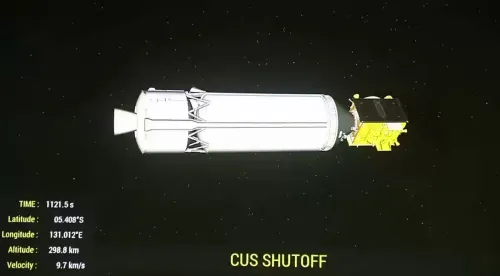
ISRO successfully launched GSLV-F18 carrying NVS-03 , a second-generation NavIC navigation satellite, on 31 October 2026 .
Union Home Minister Amit Shah congratulated ISRO scientists and described the launch as 'India's new milestone in the skies.' NavIC , India's indigenous regional navigation system, traces its origins to the IRNSS-1A launch in 2013 ; the second generation began with NVS-01 in 2023 .
The programme aims to reduce India's reliance on foreign navigation systems such as GPS for both defence and civilian applications.
Downstream benefits include precision agriculture, fleet tracking, fisheries, and disaster management across the Indian subcontinent.
Further NVS-series launches are expected to complete the second-generation constellation and deepen civilian device integration.
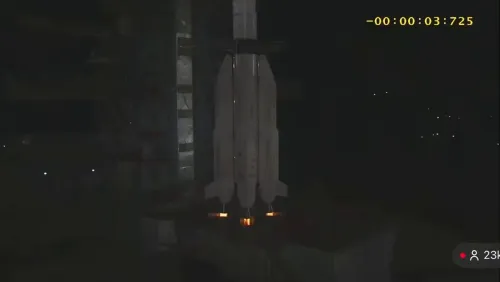
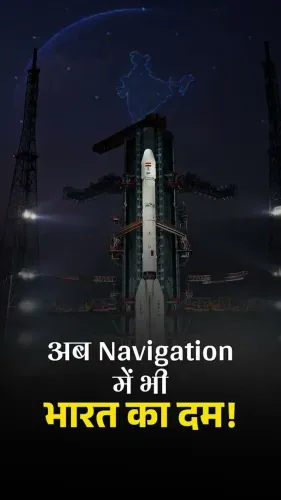
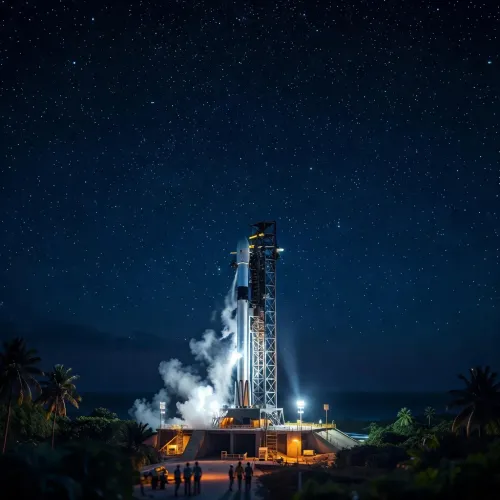
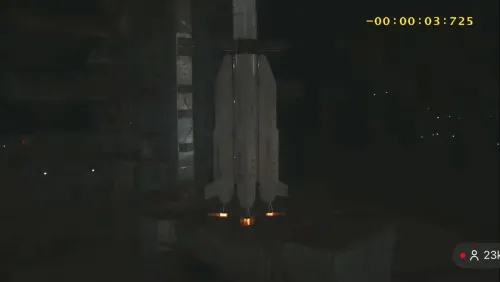
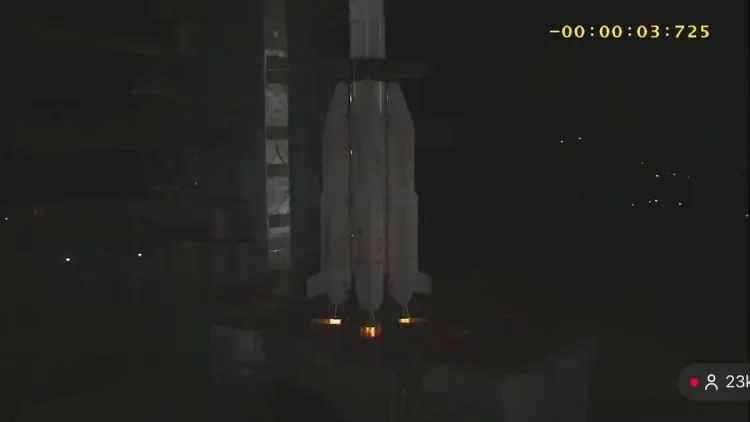
India's skies got a little more self-reliant on Saturday, 31 October 2026, as ISRO successfully launched GSLV-F18 carrying the NVS-03 navigation satellite — and Union Home Minister Amit Shah was quick to mark the moment, saluting the scientists behind the mission and framing it as a direct win for ordinary Indians.
Shah congratulated ISRO's scientists, calling them 'our geniuses' and describing the launch as 'India's new milestone in the skies.' He added that the mission 'will further expand the capabilities of NavIC and enhance the benefits of navigation for our people' — a pointed reminder that space infrastructure ultimately lands on every smartphone, every fishing boat, and every disaster-response team on the ground.
What NVS-03 adds to NavIC's growing constellation
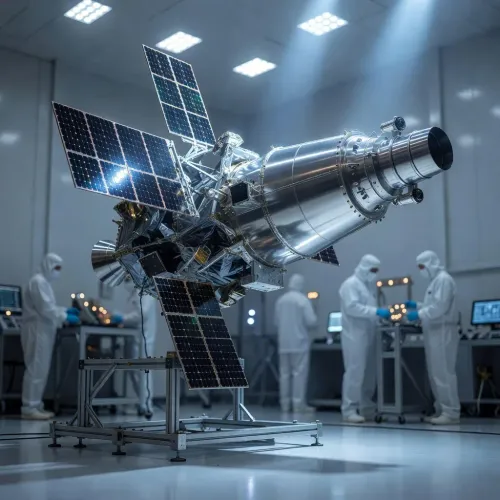
NavIC — the Navigation with Indian Constellation — is India's homegrown answer to America's GPS and Europe's Galileo. The programme was seeded with the IRNSS-1A launch back in 2013, building a regional navigation grid that covers the Indian subcontinent and a substantial buffer zone around it. The second generation began with the NVS-01 launch in 2023; NVS-03 is the latest addition to that upgraded series.
Each new-generation satellite brings improved signal strength, greater accuracy, and expanded civilian applicability — from precision agriculture and fleet tracking to search-and-rescue coordination. The strategic logic is equally clear: reduce India's dependence on foreign navigation systems for defence and critical infrastructure.
The long arc from GPS dependence to indigenous navigation
India's push for navigational sovereignty has a specific memory attached to it. During the 1999 Kargil conflict, the United States denied India access to GPS data for military use — a moment that galvanised New Delhi's resolve to build its own system. What began as a defence imperative has since evolved into a civilian public good, with NavIC signals progressively integrated into government services, transport logistics, and mobile chipsets.
Shah explicitly tied the achievement to Prime Minister Narendra Modi's broader vision of 'harnessing the power of science for empowering citizens' — language that places GSLV-F18 within a wider political narrative of technology-led governance, from digital payments to space-based services reaching the last mile.
What comes next for the NVS series
With NVS-03 now in orbit, attention turns to the remaining satellites needed to complete the second-generation NavIC constellation. Alongside hardware, the downstream priority is deeper integration of NavIC signals into civilian devices — pressure has been building on chipset manufacturers and smartphone brands to natively support NavIC alongside GPS. Expanded uptake in agriculture, fisheries, and disaster management will be the practical test of whether India's navigation ambition translates into everyday impact.
ISRO has delivered another proof point. The real measure now is how fast the country builds the ecosystem around it.
Point of View
Moving from a defence-necessity born of the Kargil episode to a public-good platform. Shah's framing of the mission as an expression of 'Modi Ji's vision' signals that space achievements will continue to be woven into the BJP's science-and-governance narrative heading into future electoral cycles. The real policy test, however, is whether chipset and application ecosystems catch up with the expanding constellation — hardware in orbit means little without mass adoption on the ground. Completing the second-generation NavIC grid and mandating or incentivising NavIC-compatible devices will define whether this milestone becomes a transformational infrastructure story.
NationPress
31 Oct 2026
Frequently Asked Questions
What is GSLV-F18 and what did it carry?
GSLV-F18 is a Geosynchronous Satellite Launch Vehicle mission that successfully carried NVS-03 , a second-generation satellite for India's NavIC regional navigation constellation, into orbit on 31 October 2026 .
What is NavIC and how does it differ from GPS?
NavIC (Navigation with Indian Constellation) is India's indigenous regional navigation satellite system, providing positioning and timing services over the Indian subcontinent and surrounding areas. Unlike GPS, which is operated by the United States, NavIC is fully controlled by India through ISRO, giving the country navigational sovereignty.
Why did India build its own navigation system?
India's resolve to build an independent navigation system was galvanised after the 1999 Kargil conflict , when access to foreign GPS data for military use was restricted. The programme has since expanded beyond defence to cover civilian applications in agriculture, fisheries, transport, and disaster management.
What is the difference between the first and second generation NavIC satellites?
The first-generation constellation was initiated with the IRNSS-1A launch in 2013 . The second generation, beginning with NVS-01 in 2023 and now extended by NVS-03 , offers improved signal strength, better accuracy, and greater civilian usability.
What did Amit Shah say about the GSLV-F18 launch?
Union Home Minister Amit Shah called the launch 'India's new milestone in the skies,' praised ISRO scientists as 'our geniuses,' and said the mission will expand NavIC's capabilities and enhance navigation benefits for Indian citizens, attributing the achievement to PM Modi's vision of science for citizen empowerment.