Amit Shah Hails Vikram-1 Launch, Cites Modi's Mann ki Baat
Synopsis
Union Home Minister Amit Shah on 26 July 2026 shared PM Modi's Mann ki Baat remarks celebrating the Vikram-1 rocket launch, calling it a proud moment for every Indian and a testament to the country's young innovators operating under India's liberalised space policy framework.
Key Takeaways
Union Home Minister Amit Shah amplified PM Modi 's Mann ki Baat remarks on the Vikram-1 launch on 26 July 2026 .
The post credits India's young innovators with achieving what was 'once difficult even to imagine.' The Vikram-1 launch is positioned as a milestone for India's private space sector, enabled by IN-SPACe (2020) and the Indian Space Policy 2023 .
The achievement reinforces the government's Atmanirbhar Bharat narrative in high-technology domains.
Further private orbital launches are expected in 2026-27 , alongside anticipated parliamentary discussion on the Space Activities Bill .
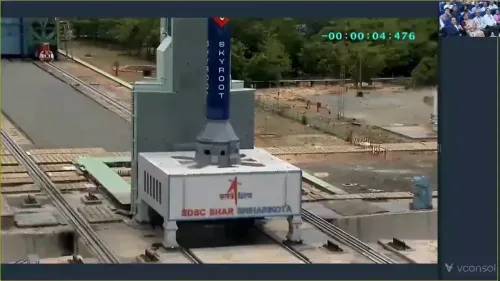
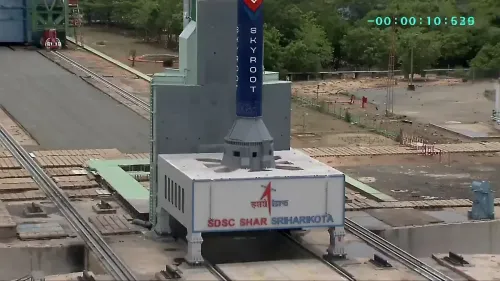
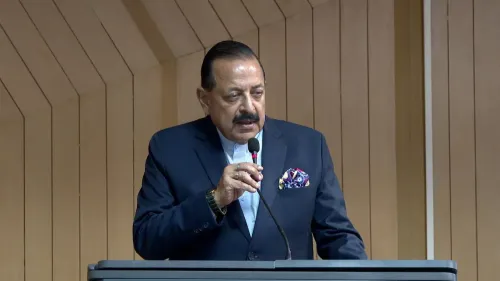
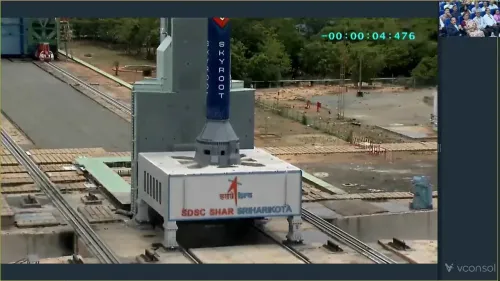
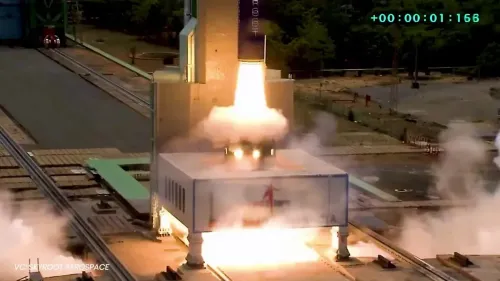
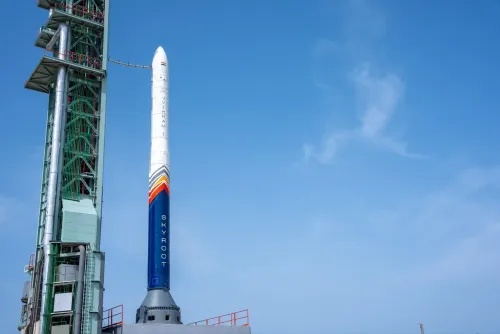
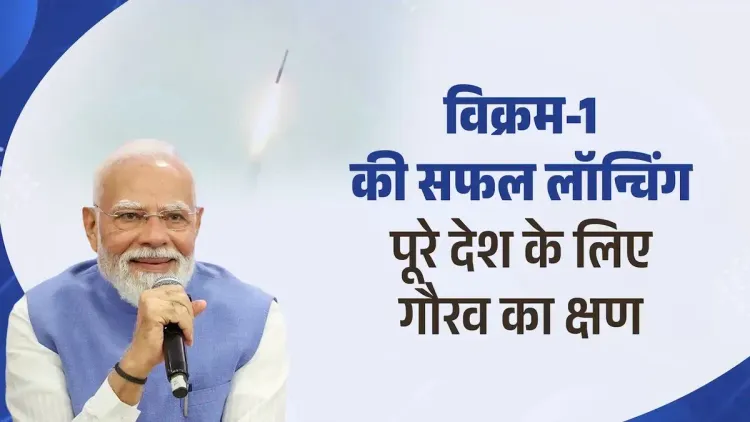
Union Home Minister Amit Shah on Sunday, 26 July 2026, took to X to amplify Prime Minister Narendra Modi's remarks on the successful launch of Vikram-1, calling the achievement a source of pride for every Indian and crediting the country's young innovators for accomplishing what was once difficult to imagine.
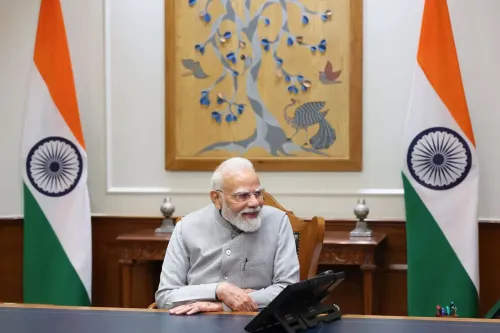
Sharing the Prime Minister's observations from his monthly radio address Mann ki Baat (literally, 'words from the heart'), Shah wrote: 'Modi ji ne Mann ki Baat mein bataya ki Vikram-1 ki safal launching se hamare yuva innovators ne woh kar dikhaya, jiski kalpana tak mushkil thi. Is uplabdhi se har deshwasi gaurvit hai.' In English: 'Modi ji said in Mann ki Baat that with the successful launch of Vikram-1, our young innovators have achieved what was once difficult even to imagine. Every citizen of the country is proud of this achievement.'
Context
Mann ki Baat is Prime Minister Modi's monthly radio programme, broadcast across India, in which he communicates government priorities and celebrates citizen-led accomplishments. The programme has historically been used to spotlight milestones in science, technology, and social innovation, giving them a national platform. Shah's post on X serves to extend the reach of the Prime Minister's remarks to a social-media audience.
The Vikram-1 launch has been presented as a landmark moment in India's private space sector — an achievement by young Indian innovators that underlines the country's growing capacity for indigenous, non-government-led space technology development.
Policy Backdrop
The celebration of Vikram-1 sits squarely within a policy arc that began with the establishment of IN-SPACe (Indian National Space Promotion and Authorisation Centre) in 2020, which was created to regulate and promote private sector participation in space activities alongside ISRO. The subsequent Indian Space Policy 2023 formalised this shift, opening orbital and sub-orbital launch activities to non-government entities for the first time in the country's space history.
Together, these policy moves dismantled decades of ISRO's monopoly over Indian space activities and created a regulatory environment in which private startups could conceive, build, and launch rockets. The Vikram-1 launch, as framed by both the Prime Minister and the Home Minister, is positioned as a direct dividend of this liberalisation.
Stakeholders and Impact
The primary beneficiaries of this policy direction are private space startups and the cohort of young Indian engineers and innovators who now have institutional and regulatory support to pursue orbital ambitions. For the broader space economy, successful private launches build investor confidence and signal that India can be a competitive destination for commercial launch services.
For the central government, the Vikram-1 moment reinforces the Atmanirbhar Bharat (self-reliant India) narrative in one of the most visible and aspirational high-technology domains. Successive administrations have framed such achievements as proof that Indian youth, when given the right policy environment, can compete at the frontier of global technology.
What's Next
The Indian private space sector is expected to see further orbital launch attempts through 2026-27, with multiple startups at various stages of readiness. Parliamentary discussion on amendments to the Space Activities Bill — which would provide a comprehensive legal framework for private space commerce — is also anticipated. How the government translates celebratory messaging into durable legislative and financial support will be closely watched by industry stakeholders and international partners alike.
Point of View
Such high-profile endorsements serve as political capital for continued liberalisation of the sector.
NationPress
26 Jul 2026
Frequently Asked Questions
What is Vikram-1 and why is it significant?
Vikram-1 is a rocket developed by young Indian innovators in the private space sector, and its successful launch has been celebrated by the government as a landmark in India's indigenous space technology development under the Atmanirbhar Bharat initiative.
What did PM Modi say about Vikram-1 in Mann ki Baat?
PM Modi said in Mann ki Baat that the successful launch of Vikram-1 showed that India's young innovators had achieved what was once difficult even to imagine, and that every citizen should feel proud of this accomplishment.
Why did Amit Shah post about Vikram-1?
Amit Shah shared the post on 26 July 2026 to amplify PM Modi's Mann ki Baat remarks, extending the government's message celebrating the Vikram-1 launch to a broader social-media audience.
What is IN-SPACe and how does it relate to private rocket launches in India?
IN-SPACe, established in 2020, is the Indian National Space Promotion and Authorisation Centre that regulates and promotes private sector participation in space activities, providing the regulatory framework that enabled private entities to develop and launch rockets like Vikram-1.
What is the Indian Space Policy 2023?
The Indian Space Policy 2023 formalised greater private participation in India's space sector alongside ISRO, allowing non-government entities to pursue orbital and sub-orbital launch activities and marking a significant shift from decades of ISRO's exclusive role.