Pradhan Hails Vikram-1 as India's Private Space Era Begins
Synopsis
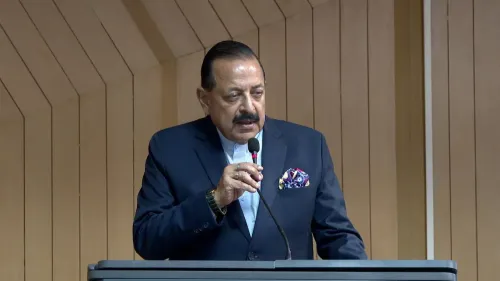
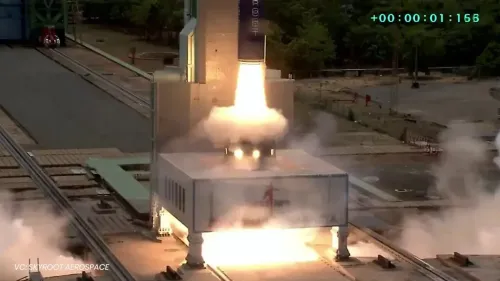
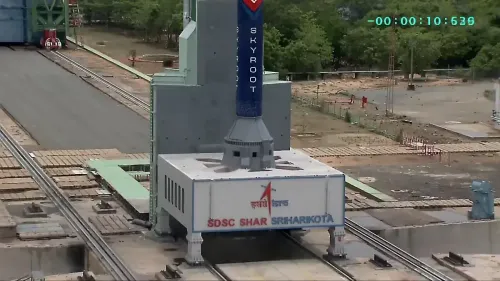
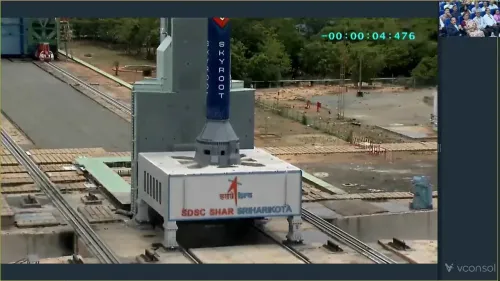
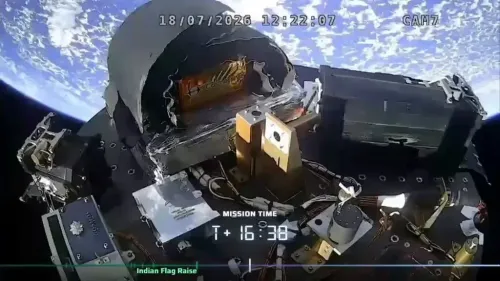
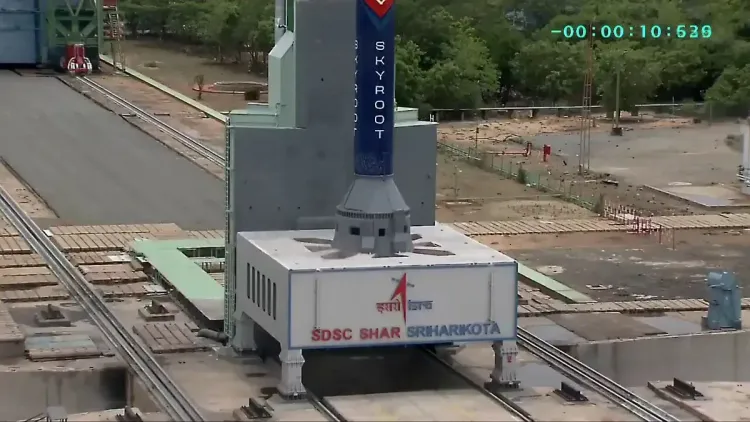
Union Education Minister Dharmendra Pradhan congratulated Skyroot Aerospace on the successful launch of Vikram-1 on 18 July 2026, calling it India's first private orbital rocket mission and a new era for the country's space ambitions.
Key Takeaways
Vikram-1 by Skyroot Aerospace has completed India's first successful private orbital rocket mission.
Union Education Minister Dharmendra Pradhan congratulated the team on 18 July 2026 via X.
Skyroot Aerospace is a Hyderabad -based startup founded in 2018 , with Vikram-1 designed to carry up to 500 kg to low-Earth orbit.
The mission is a product of India's June 2020 space-sector reforms that created IN-SPACe to regulate private space activity.
Pradhan framed the achievement as an inspiration for young Indians to pursue science and space careers.
Subsequent flights by Skyroot and Agnikul Cosmos , plus new IN-SPACe regulations, are the key near-term developments to watch.
Union Education Minister Dharmendra Pradhan on Saturday, 18 July 2026, congratulated Skyroot Aerospace and India's broader scientific community on the successful launch of Vikram-1, describing it as the country's first successful private orbital rocket mission and a landmark moment in India's space journey.
Context
Pradhan took to X to extend his congratulations, writing: 'India's space journey is entering a new era with the growing participation of our private sector. This success will inspire more young minds to pursue science, dream bigger and carry India's space ambitions to even greater heights.' The post underscores the political significance the ruling establishment attaches to private-sector milestones in frontier technology.
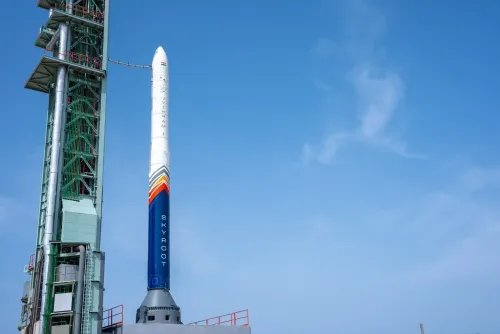
Skyroot Aerospace, a Hyderabad-based startup founded in 2018, developed the Vikram-1 rocket — a two-stage small-lift launch vehicle designed to carry payloads of up to 500 kg to low-Earth orbit. The successful orbital mission marks the first time an Indian private company has independently placed a payload into orbit.
Policy Backdrop
The achievement is a direct product of India's June 2020 space-sector reforms, when the Union Cabinet approved the opening of satellite launch and manufacturing activities to non-governmental entities. That decision also established IN-SPACe — the Indian National Space Promotion and Authorisation Centre — as the nodal regulatory and promotional body for private space activities.
ISRO, the Indian Space Research Organisation, has played a supporting role by making its facilities and technical expertise available to emerging private players under this liberalised framework. The policy architecture mirrors global trends in commercial spaceflight, where government agencies increasingly act as enablers rather than sole operators.
Stakeholders and Impact
The Vikram-1 success is a signal moment for India's nascent private space industry, which includes startups such as Agnikul Cosmos alongside Skyroot. Investors, engineers, and entrepreneurs in the sector will likely read the orbital mission as validation that India's regulatory and technical ecosystem can now support end-to-end private launch operations.
For science students and young researchers — a constituency Pradhan directly addresses in his ministerial capacity — the milestone carries symbolic weight. A senior minister linking a private launch success to educational inspiration reflects the government's broader effort to channel industrial achievements into science and technology enrolment narratives.
What's Next
Attention will now turn to subsequent qualification flights by both Skyroot Aerospace and Agnikul Cosmos, as the two leading private launch firms look to build commercial cadence. IN-SPACe is also expected to notify updated rules governing private orbital launches, which could further streamline licensing for commercial missions. If India's private space sector sustains this momentum, it could position the country as a competitive low-cost launch destination for global small-satellite operators in the years ahead.
Point of View
A policy it championed. By tying a private industrial achievement to educational aspiration, the Education Minister is weaving space-sector liberalisation into a broader human-capital narrative ahead of future policy announcements. The Vikram-1 success also strengthens the government's hand in pushing further deregulation of IN-SPACe's licensing framework. If private launch cadence accelerates, India's positioning as a competitive commercial launch market will become a recurring theme in ministerial communication.
NationPress
17 Oct 2026
Frequently Asked Questions
What is Vikram-1 and who built it?
Vikram-1 is a two-stage small-lift orbital rocket developed by Skyroot Aerospace , a Hyderabad-based private startup founded in 2018. It is designed to carry payloads of up to 500 kg to low-Earth orbit and has now completed India's first successful private orbital rocket mission.
Why is the Vikram-1 launch historically significant?
Vikram-1's successful orbital mission is the first time an Indian private company has independently launched a rocket into orbit, marking a new chapter in India's space programme driven by commercial enterprise rather than solely by government agencies.
What is IN-SPACe and what role did it play?
IN-SPACe — the Indian National Space Promotion and Authorisation Centre — is the regulatory body created after the June 2020 cabinet reforms to oversee and promote private participation in India's space sector. It provided the policy and regulatory framework that enabled Skyroot to develop and launch Vikram-1.
Why did Education Minister Dharmendra Pradhan comment on a space launch?
As Union Education Minister, Pradhan highlighted the launch's potential to inspire young Indians to pursue science and technology careers. He also represents a senior BJP leadership that has championed the 2020 space-sector reforms enabling private launches.
What comes after Vikram-1 for India's private space sector?
The next milestones include further qualification flights by Skyroot Aerospace and rival startup Agnikul Cosmos , as well as anticipated new regulations from IN-SPACe to further streamline commercial orbital launch licensing in India.