Jaishankar hails Vikram-1 launch as historic milestone
Synopsis
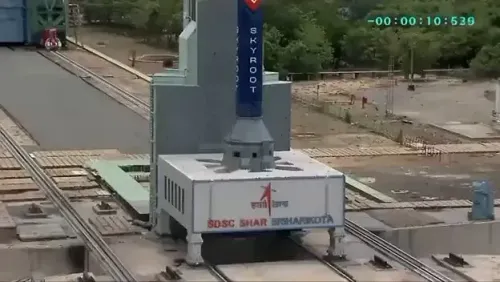
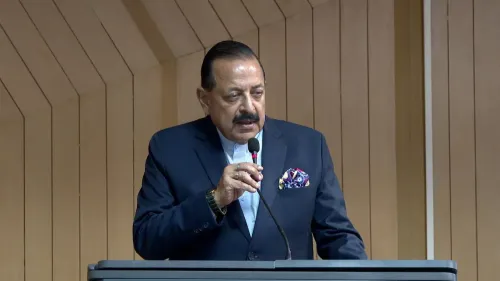
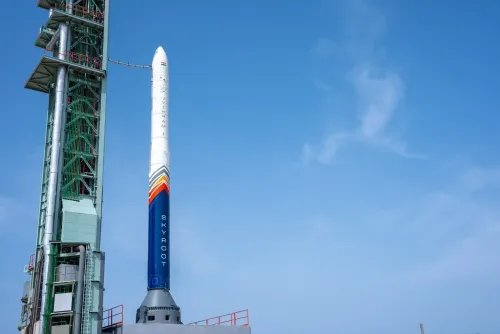
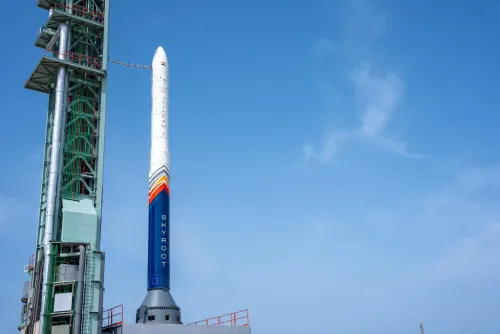
External Affairs Minister Dr. S. Jaishankar on 18 July 2026 called the launch of Vikram-1 by Hyderabad-based Skyroot Aerospace 'truly historic', crediting PM Modi's space-sector reforms for enabling India's first privately developed orbital launch vehicle to fly.
Key Takeaways
Jaishankar publicly celebrated the launch of Vikram-1 on 18 July 2026 , calling it 'truly historic'.
Skyroot Aerospace , a Hyderabad -based startup founded in 2018 , developed the Vikram series of small satellite launch vehicles.
India's space sector was opened to private players via reforms in June 2020 and further formalised by the Indian Space Policy 2023 .
IN-SPACe (Indian National Space Promotion and Authorisation Centre) serves as the regulatory body for private space activity in India.
The launch is seen as a milestone for India's Atmanirbhar Bharat push to reduce dependence on foreign launch providers.
Follow-on commercial flights and potential updates to IN-SPACe licensing rules are the key near-term developments to watch.
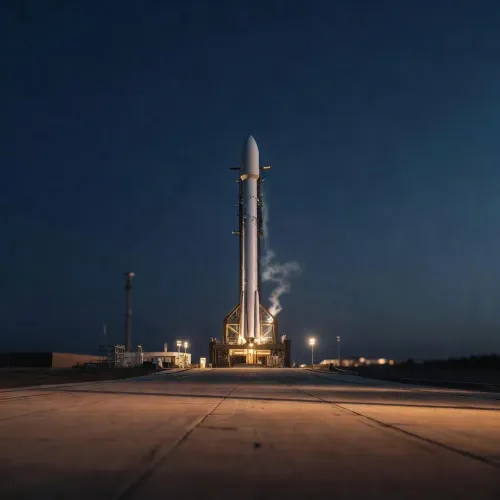
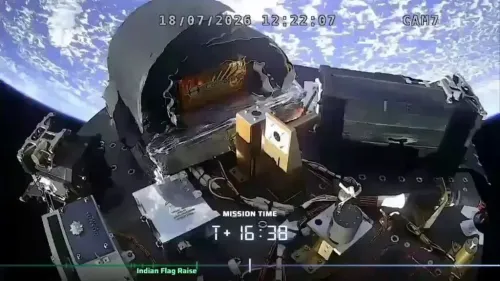
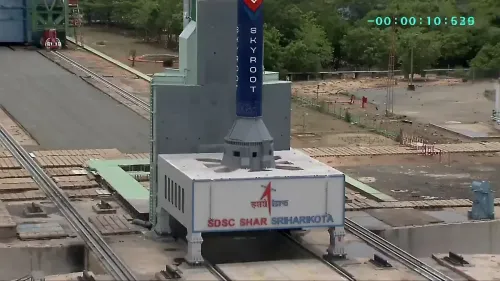
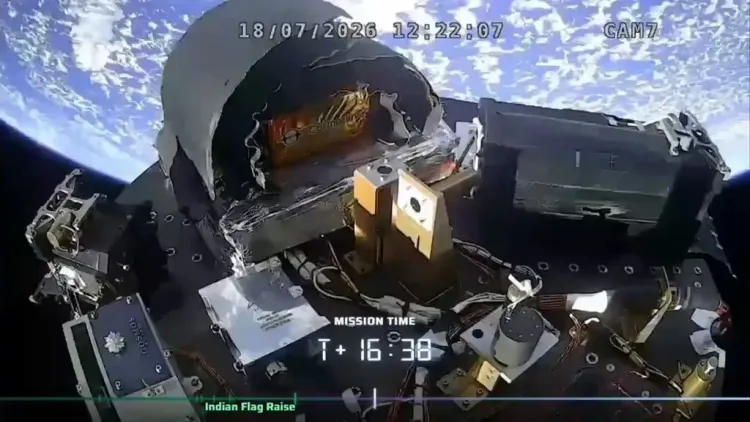
Union External Affairs Minister Dr. S. Jaishankar on Saturday, 18 July 2026, celebrated the successful launch of Vikram-1, described as India's first privately developed orbital launch vehicle, calling it a 'truly historic' achievement by Skyroot Aerospace that reflects the power of youth-led innovation backed by government reform.
Context
Posting on X under the hashtags #Vikram1, #MissionAagaman, and #JourneyToOrbit, Dr. Jaishankar wrote that the launch is 'a reflection of what can be achieved when innovation and entrepreneurial drive of India's youth are backed by the bold reforms of PM Narendra Modi's vision.' The post marks a rare occasion of India's top diplomat publicly championing a private-sector space achievement, underlining how space has become a dimension of India's broader national ambition narrative.
Skyroot Aerospace, founded in 2018 and headquartered in Hyderabad, has been developing the Vikram series of small satellite launch vehicles. The company draws its name and rocket branding from Vikram Sarabhai, widely regarded as the father of the Indian space programme.
Policy Backdrop
The launch is the direct product of a policy shift that began in June 2020, when the Government of India opened the space sector to private entities and established IN-SPACe — the Indian National Space Promotion and Authorisation Centre — to regulate and promote non-governmental space activity. The Indian Space Policy 2023 further codified private-sector roles in building and operating launch vehicles and satellites, creating a formal licensing pathway for startups like Skyroot.
These reforms were conceived as an extension of the Atmanirbhar Bharat initiative, aimed at reducing India's dependence on foreign launch providers for small satellites and building indigenous commercial capability alongside ISRO, the government's own space agency established in 1969.
Stakeholders and Impact
A successful orbital mission by a private Indian company would represent a significant commercial inflection point for the country's emerging new-space ecosystem, which includes dozens of startups in launch, satellite manufacturing, and earth observation. Entrepreneurs and venture investors watching the sector have long pointed to a viable orbital launch capability as the threshold that unlocks larger funding rounds and international contracts.
For ISRO, private launch capability is complementary rather than competitive — freeing the agency to focus on deep-space science and strategic missions while commercial operators handle the growing queue of small satellite payloads from domestic and international customers. IN-SPACe is expected to play a central role in licensing follow-on commercial flights.
What's Next
The space community will watch closely for official mission confirmation from Skyroot Aerospace and IN-SPACe detailing payload deployment and orbital parameters. Subsequent commercial flights, updates to IN-SPACe licensing rules, and potential revisions to foreign direct investment norms for the space sector are the near-term policy signposts. If the mission is confirmed as fully successful, it is likely to accelerate investor interest in India's private space industry and could prompt further regulatory easing to sustain momentum.
Point of View
Yet the External Affairs Minister's enthusiastic endorsement signals that private launch capability is now viewed as a dimension of India's strategic and diplomatic standing, not merely a domestic industrial achievement. The framing — crediting 'bold reforms' and 'PM Modi's vision' — fits a well-established pattern of using technological milestones to reinforce the government's Atmanirbhar Bharat narrative ahead of electoral and diplomatic cycles. For the private space ecosystem, a Cabinet-level signal of this kind typically accelerates regulatory goodwill and investor confidence. The broader arc points toward India positioning itself as a credible commercial launch market to rival established players, a goal that a verified orbital success by Skyroot would meaningfully advance.
NationPress
16 Oct 2026
Frequently Asked Questions
What is Vikram-1 and who built it?
Vikram-1 is described as India's first privately developed orbital launch vehicle, built by Skyroot Aerospace, a Hyderabad-based startup founded in 2018. The rocket is named after Vikram Sarabhai, the father of India's space programme.
What did Jaishankar say about the Vikram-1 launch?
Dr. S. Jaishankar called the launch 'truly historic' on X, saying it reflects what can be achieved when India's youth-driven innovation is backed by PM Modi's bold reforms.
What government reforms enabled private rocket launches in India?
In June 2020 the government opened the space sector to private players and created IN-SPACe to regulate non-governmental space activity. The Indian Space Policy 2023 further formalised private roles in building and operating launch vehicles.
What is IN-SPACe and what does it do?
IN-SPACe, or the Indian National Space Promotion and Authorisation Centre, is the government body set up to regulate, promote, and license private space activities in India, providing a formal pathway for startups like Skyroot Aerospace.
What comes next after the Vikram-1 launch?
Observers will watch for official mission confirmation from Skyroot Aerospace and IN-SPACe, details on payload deployment, and any follow-on commercial flights. Updates to IN-SPACe licensing rules and FDI norms for the space sector are also expected policy developments.