CM Mohan Yadav Hails Vikram-1 Launch as Space Milestone
Synopsis
Madhya Pradesh CM Dr. Mohan Yadav hailed the first orbital launch of Vikram-1 by Skyroot Aerospace as a historic Atmanirbhar Bharat achievement, crediting PM Modi's leadership for enabling India's private space sector to reach this landmark milestone.
Key Takeaways
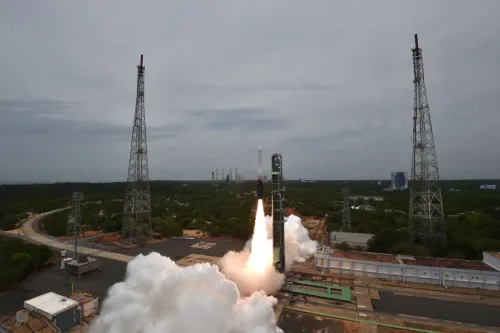
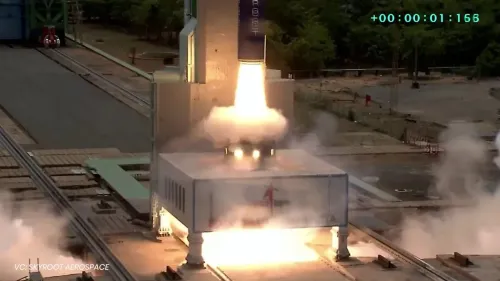
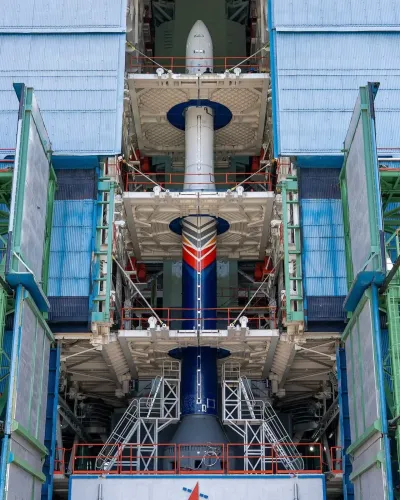
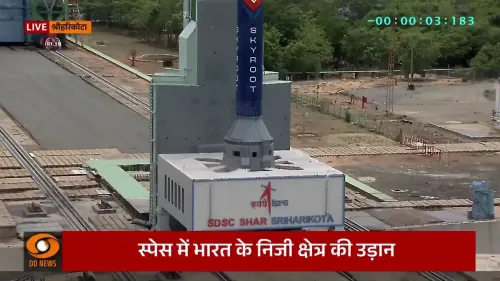
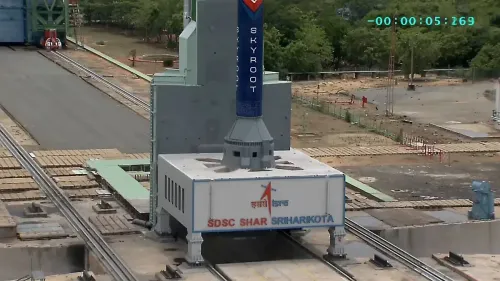
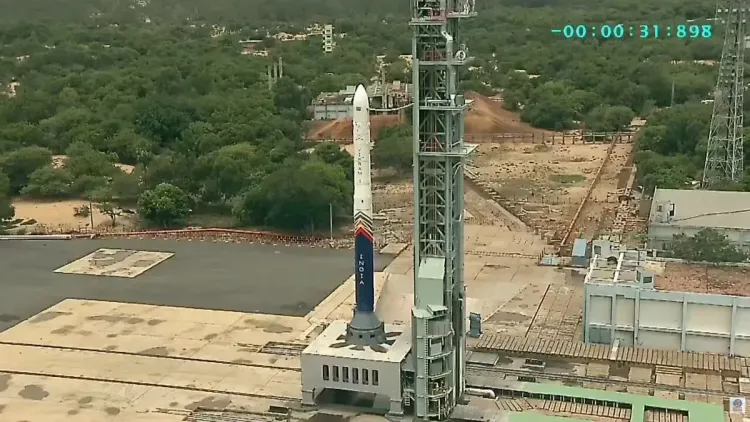
Vikram-1 , developed by Skyroot Aerospace , completed its first orbital launch — the first by an Indian private-sector firm.
Mohan Yadav congratulated Skyroot's team on 18 July 2026 and attributed the success to PM Modi's leadership.
The mission is framed as a landmark outcome of the Atmanirbhar Bharat initiative launched in 2020 .
India's private space sector was enabled by the creation of IN-SPACe in 2020 , which liberalised launch and satellite regulations.
Skyroot Aerospace is a Hyderabad -based startup founded in 2018 developing the Vikram series of rockets.
The launch is expected to strengthen India's standing in the global commercial launch market alongside peers such as Agnikul Cosmos .
Madhya Pradesh Chief Minister Dr. Mohan Yadav on Saturday, 18 July 2026, congratulated Skyroot Aerospace on the successful first orbital launch of Vikram-1, calling it a historic achievement for Atmanirbhar Bharat (self-reliant India) in space science and technology.
Context
In his post, Dr. Yadav described the milestone as 'antriksh vigyan mein Atmanirbhar Bharat ki aitihasik safalta' — 'a historic success of self-reliant India in space science.' He credited Prime Minister Narendra Modi's leadership for enabling India to continuously set new records in space science and technology. The Chief Minister extended his 'heartfelt congratulations and best wishes' to the entire Skyroot Aerospace team.
The launch of Vikram-1 marks the first orbital flight of a launch vehicle developed entirely by India's private sector — a significant departure from the decades-long model in which only ISRO, the government space agency, conducted orbital missions.
Policy Backdrop
The achievement is rooted in sweeping reforms initiated in 2020, when the Government of India established IN-SPACe (Indian National Space Promotion and Authorisation Centre) and liberalised regulations to allow private companies to design, build, and launch rockets and satellites. These reforms were framed under the broader Atmanirbhar Bharat initiative, launched in 2020, which aims to build domestic industrial capacity across defence, technology, and space sectors.
Skyroot Aerospace, a Hyderabad-based startup founded in 2018, has developed the Vikram series of launch vehicles. The company conducted an earlier sub-orbital test flight before progressing to this orbital attempt. The Vikram-1 programme represents the most ambitious step yet by an Indian private firm in the launch vehicle segment.
Stakeholders and Impact
The successful orbital launch is expected to boost confidence among India's growing ecosystem of private space startups, which includes firms such as Agnikul Cosmos and others developing competing launch platforms. Investors, satellite operators, and international launch customers are likely to watch the mission's outcomes closely as India positions itself as a competitive destination for commercial launches.
For the broader Atmanirbhar Bharat agenda, the launch provides a tangible demonstration that policy liberalisation in the space sector is translating into operational capability. ISRO retains an oversight and enabling role, having shared infrastructure and technical knowledge with private entrants under the new framework.
What's Next
Attention will now turn to subsequent commercial flights by Skyroot Aerospace and regulatory decisions by IN-SPACe on launch licensing and spectrum allocation that will shape how quickly private operators can scale operations. The performance data from Vikram-1's first orbital mission will be critical in determining the vehicle's commercial viability and reliability for satellite deployment contracts. Dr. Yadav expressed confidence that this success 'will further strengthen India's prestige in the global space community.'
Point of View
If fully confirmed, would represent a structural inflection point for India's space economy — moving the country from a state-dominated model to a mixed public-private ecosystem in under six years. CM Yadav's congratulatory post reflects a broader BJP political strategy of associating the Atmanirbhar Bharat brand with high-visibility technology milestones. The framing around PM Modi's leadership signals that the party intends to use private-sector space successes as electoral and diplomatic capital. Regulatorily, the pace at which IN-SPACe issues commercial launch licences will now determine whether this milestone translates into a sustained industry or remains a one-off showcase.
NationPress
18 Jul 2026
Frequently Asked Questions
What is Vikram-1 and who made it?
Vikram-1 is India's first orbital launch vehicle developed entirely by a private company — Skyroot Aerospace , a Hyderabad-based startup founded in 2018. It is part of the Vikram series of rockets designed for commercial satellite launches.
What did MP CM Mohan Yadav say about the Vikram-1 launch?
CM Dr. Mohan Yadav called it a 'historic success of Atmanirbhar Bharat in space science,' congratulated the Skyroot Aerospace team, and credited PM Narendra Modi's leadership for India's growing space achievements.
How did India allow private companies to launch rockets?
In 2020, the Government of India established IN-SPACe and liberalised space regulations, allowing private firms to design, build, and launch rockets and satellites under ISRO oversight as part of the Atmanirbhar Bharat initiative.
What is Atmanirbhar Bharat and how does it relate to space?
Atmanirbhar Bharat, meaning 'self-reliant India,' is a national initiative launched in 2020 to build domestic industrial capacity across sectors including defence, technology, and space. The opening of the space sector to private players is a key pillar of this programme.
Which other Indian private space companies are working on rockets?
Alongside Skyroot Aerospace, Agnikul Cosmos is among the notable Indian private startups developing launch vehicles. Both operate under the IN-SPACe regulatory framework introduced in 2020.