Amit Shah launches 70-lakh sapling drive in Delhi
Synopsis
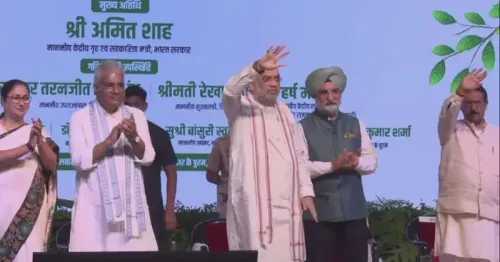
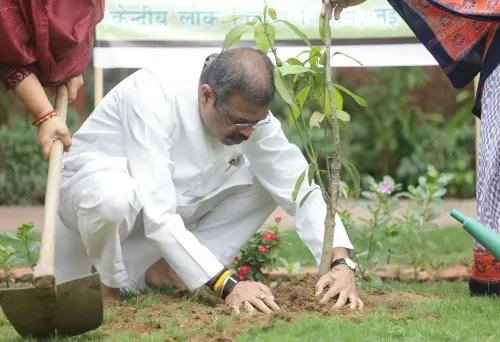
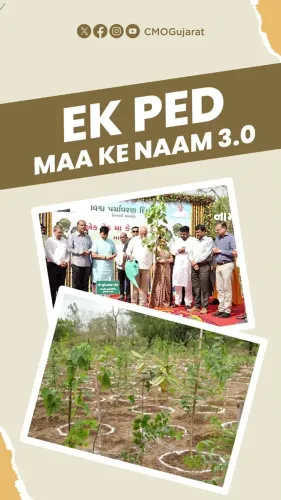
Union Home Minister Amit Shah on 7 July 2026 participated in the live launch of a mission to plant 70 lakh saplings in Delhi under the Ek Ped Maa Ke Naam campaign, originally launched nationally by PM Modi in 2024 to drive mass-participation afforestation across India.
Key Takeaways
Union Home Minister Amit Shah attended and broadcast live the launch of the Delhi leg of the Ek Ped Maa Ke Naam campaign on 7 July 2026 .
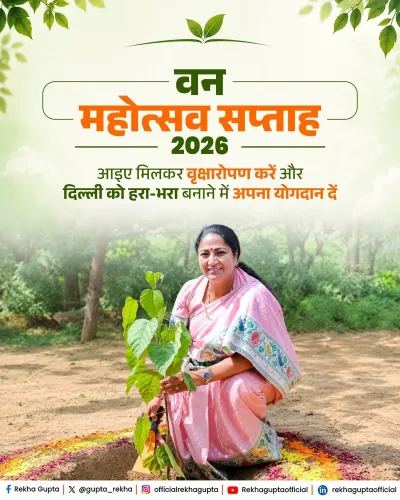
The Delhi mission targets the planting of 70 lakh saplings across the national capital.
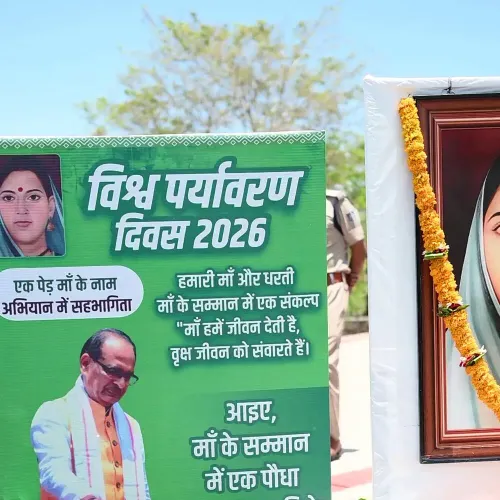
Ek Ped Maa Ke Naam was originally launched nationally by Prime Minister Narendra Modi in 2024 as a tribute-based afforestation drive.
The campaign leverages the monsoon season — the optimal window for tree plantation in India — to maximise sapling survival rates.
High-profile central government participation signals intent to use Delhi as a flagship model for city-level replication of the campaign.
Tracking sapling survival rates alongside raw planting numbers will be key to assessing the mission's real environmental impact.
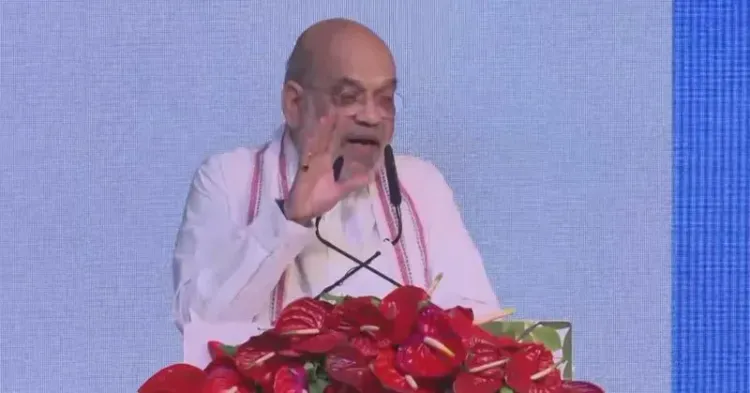
Union Home Minister Amit Shah participated live on Tuesday, 7 July 2026, in the launch of a mission to plant 70 lakh saplings in Delhi under the Ek Ped Maa Ke Naam (One Tree in the Name of Mother) campaign, sharing the event in real time on social media.
Context
The Ek Ped Maa Ke Naam campaign was first launched nationally by Prime Minister Narendra Modi in 2024 as a mass-participation afforestation initiative that invites citizens to plant a tree as a tribute to their mothers. The campaign has since been adopted across states and union territories, with high-profile political participation used to mobilise public involvement — particularly during the monsoon planting season when soil and rainfall conditions are most favourable.
Shah's live broadcast of the Delhi launch underscores the central government's direct involvement in extending the campaign to the national capital, where urban green-cover expansion has been a recurring policy priority.
Policy Backdrop
India's national forestry targets require significant annual increases in tree and forest cover, and urban plantation drives form a key component of meeting those goals. Delhi, as a densely populated metropolitan area with persistent air-quality challenges, has been the focus of multiple city-level greening efforts coordinated between the Centre and local administration over the years.
Campaigns like Ek Ped Maa Ke Naam sit within a broader pattern of government-led afforestation pushes that combine symbolic resonance — honouring mothers — with measurable environmental targets. Setting a specific figure of 70 lakh saplings for Delhi gives the mission a concrete, trackable benchmark.
Stakeholders and Impact
Delhi residents and urban forestry groups are the primary stakeholders. A successful plantation of 70 lakh saplings across the capital would meaningfully expand the city's green canopy, with potential long-term benefits for air quality, urban heat-island mitigation, and biodiversity. Resident welfare associations, schools, and voluntary organisations are typically mobilised as ground-level participants in such drives.
The involvement of a senior Union Cabinet minister at the launch signals that the Centre views the Delhi mission as a flagship demonstration of the campaign's scale and ambition, which could encourage similar city-level missions elsewhere in the country.
What's Next
Attention will now turn to how the 70 lakh sapling target is tracked, verified, and reported as the monsoon season progresses. Environmental observers and urban forestry officials will watch whether survival rates — often the weak link in large plantation drives — are monitored alongside raw planting numbers. If the Delhi mission achieves its target, it is likely to serve as a model for replication in other major cities, potentially giving the Ek Ped Maa Ke Naam campaign a new phase of urban-focused momentum ahead of future policy reviews.
Point of View
The campaign gains a powerful proof-of-concept that could accelerate its replication in other urban centres.
NationPress
7 Jul 2026
Frequently Asked Questions
What is the Ek Ped Maa Ke Naam campaign?
Ek Ped Maa Ke Naam, meaning 'One Tree in the Name of Mother,' is a national afforestation campaign launched by Prime Minister Narendra Modi in 2024 that encourages citizens to plant a tree as a tribute to their mothers, combining emotional appeal with measurable green-cover targets.
How many saplings are targeted in the Delhi plantation mission?
The Delhi mission launched on 7 July 2026 targets the planting of 70 lakh (7 million) saplings across the national capital.
Why is Amit Shah involved in a plantation drive?
As Union Home Minister and a senior BJP leader, Amit Shah's participation signals the central government's direct ownership of the campaign and is intended to mobilise large-scale public participation in Delhi's 70-lakh sapling mission.
When was Ek Ped Maa Ke Naam first launched?
The campaign was launched nationally by Prime Minister Narendra Modi in 2024 and has since been extended to states and cities across India, with Delhi's 70-lakh mission being one of its most ambitious city-level editions.
What happens after the saplings are planted — how is success measured?
Beyond raw planting numbers, environmental experts and forestry officials typically monitor sapling survival rates over subsequent months; the Delhi mission's 70-lakh target will be a key benchmark watched by urban forestry groups and policymakers.