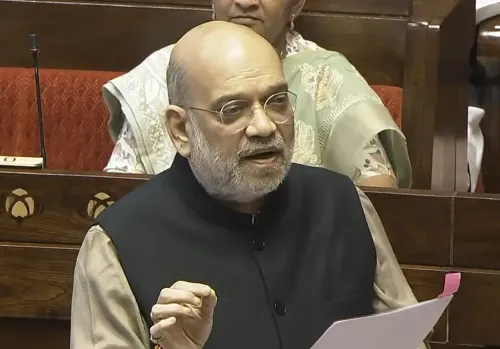
Amit Shah to introduce Vande Mataram Bill in Rajya Sabha on Monday
Synopsis
For the first time, the Centre is moving to give Vande Mataram the same legal armour as the National Anthem. Amit Shah's amendment bill, tabled in the Rajya Sabha on Monday, would make insulting the National Song a criminal offence carrying up to three years in prison — backed by an MHA directive issued just ten days earlier.
Key Takeaways
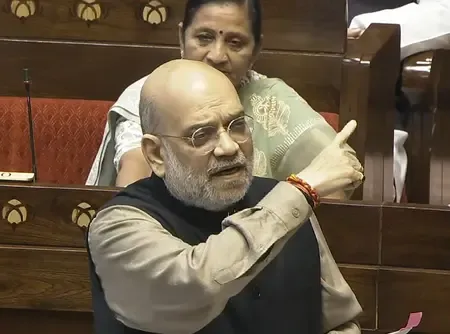
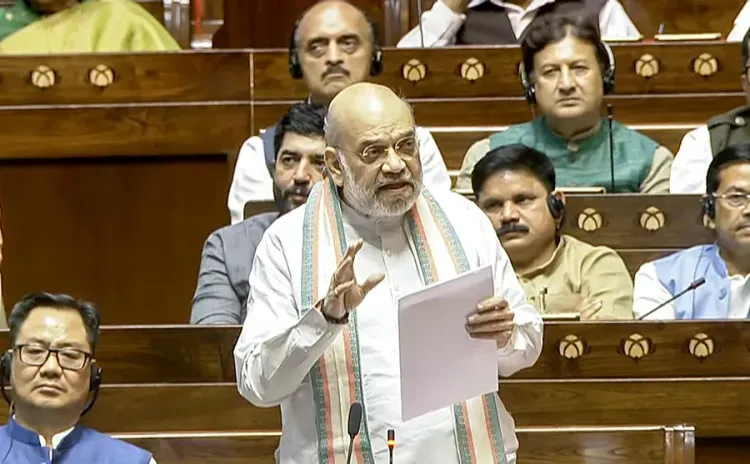
Home Minister Amit Shah will introduce the Prevention of Insults to National Honour (Amendment) Bill, 2026 in the Rajya Sabha on Monday, 21 July 2026 .
The Bill proposes to extend the same legal protection currently given to the National Anthem to the National Song, Vande Mataram .
Insulting or disrupting the singing of Vande Mataram would attract imprisonment of up to three years , a fine, or both.
The MHA had already directed all states on 9 July 2026 to ensure Vande Mataram is played before Jana Gana Mana at official functions.
The Bill must pass both Houses of Parliament and receive Presidential assent before it becomes law.
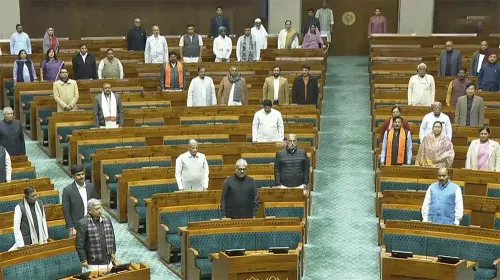
Union Home Minister Amit Shah is set to introduce the Prevention of Insults to National Honour (Amendment) Bill, 2026, in the Rajya Sabha on Monday, 21 July 2026, during the ongoing Monsoon Session of Parliament. The proposed legislation seeks to extend the same statutory protections currently afforded to the National Anthem, Jana Gana Mana, to the National Song, Vande Mataram.
What the Bill Proposes
If passed by both Houses of Parliament, the amendment would make insulting or disrupting the singing of Vande Mataram a criminal offence. Any person found guilty of intentionally preventing, disrupting, or insulting the rendition of the National Song could face imprisonment of up to three years, a fine, or both.
These penalties mirror those already in force under the Prevention of Insults to National Honour Act for acts that insult or obstruct the National Anthem. The amendment essentially places Vande Mataram within the same legal framework that protects the National Anthem, the National Flag, and the Constitution.
The Current Legal Gap
Under existing law, the Prevention of Insults to National Honour Act mandates public respect for the National Anthem — requiring individuals to stand during its rendition and prohibiting any act of insult or disruption. However, Vande Mataram, despite its recognition as the National Song, has so far not enjoyed equivalent legal protection. The proposed amendment is designed to close this gap.
MHA Directive Precedes the Bill
The legislative move follows a directive issued by the Union Ministry of Home Affairs (MHA) on 9 July 2026 to all state governments, instructing strict compliance with its standing order that Vande Mataram be played before Jana Gana Mana whenever both are performed at official government functions. The Bill can be seen as the enforcement arm of that administrative directive, giving it statutory teeth.
Notably, this is not the first time the question of legal parity for Vande Mataram has surfaced in Indian legislative discourse, but it is the first time a formal amendment bill has been tabled by the Centre to address it directly.
What Happens Next
The Prevention of Insults to National Honour (Amendment) Bill, 2026 is expected to be taken up for discussion during the ongoing Monsoon Session. It must pass both the Rajya Sabha and the Lok Sabha before receiving Presidential assent to become law. The bill's passage could trigger broader debate over the boundaries of free expression and the legal status of national symbols in India.
Point of View
The Centre is formalising a long-held Hindutva cultural position — one that has historically met resistance from communities that view mandatory deference to the song as a religious imposition. The MHA directive of 9 July, which mandated the song's precedence at official functions, set the administrative precedent; the bill now seeks to give it criminal enforceability. The real test will come in parliamentary debate: whether the government tables a clear definition of what constitutes an 'insult,' or leaves that determination to police and courts — a gap that critics will argue creates room for misuse.
NationPress
20 Jul 2026
Frequently Asked Questions
What is the Prevention of Insults to National Honour (Amendment) Bill, 2026?
It is a proposed amendment to the Prevention of Insults to National Honour Act, introduced by Home Minister Amit Shah in the Rajya Sabha on 21 July 2026. The Bill seeks to extend the same legal protections that currently cover the National Anthem to the National Song, Vande Mataram, making its insult or disruption a criminal offence.
What punishment does the Vande Mataram bill prescribe?
Under the proposed law, anyone who intentionally prevents, disrupts, or insults the singing of Vande Mataram could face imprisonment of up to three years, a fine, or both. These penalties are identical to those already in place for offences against the National Anthem.
Why does Vande Mataram need separate legal protection?
Although Vande Mataram is recognised as India's National Song, the existing Prevention of Insults to National Honour Act only explicitly protects the National Anthem, Jana Gana Mana. The amendment is designed to close that legal gap and place the National Song under the same statutory framework.
What was the MHA directive issued on 9 July 2026?
The Union Ministry of Home Affairs directed all state governments on 9 July 2026 to strictly comply with its order that Vande Mataram be played before Jana Gana Mana whenever both songs are performed at official government functions. The Amendment Bill is seen as the legislative follow-through to that administrative directive.
When could the bill become law?
The bill must be passed by both the Rajya Sabha and the Lok Sabha during the Monsoon Session of Parliament, after which it requires Presidential assent to come into force. The timeline depends on parliamentary scheduling and the extent of debate.