BJP, Opposition clash over MHA's national anthem and Vande Mataram guidelines
Synopsis
The MHA's directive to enforce correct pronunciation and sequencing of the National Anthem and Vande Mataram at government offices has cracked open a familiar but charged debate — with the BJP framing it as civic duty and the opposition calling it coercive overreach with misplaced priorities.
Key Takeaways
The Ministry of Home Affairs (MHA) issued fresh guidelines on 11 July mandating strict adherence to prescribed script, diction, and pronunciation for the National Anthem and National Song (Vande Mataram) in all Central government and Governors' offices .
An earlier MHA order specified that the National Song must be sung before the National Anthem at official functions.
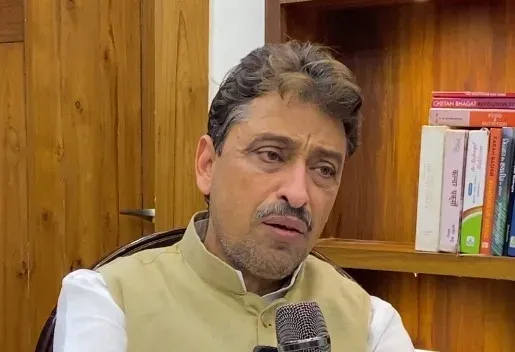
NCP-SP spokesperson Naseem Siddiqui said the government cannot forcibly impose anything on citizens, and noted that Muslims may stand in respect but that a devout believer would not sing Vande Mataram .
Congress MP Imran Masood called for the government to prioritise free education and healthcare over symbolic directives.
BJP MPs Tarun Chugh and Dinesh Sharma backed the move, calling it necessary to strengthen respect for national symbols.
BJP leader Syed Shahnawaz Hussain cited Bihar as a model for implementation and said the advisory would be extended nationwide.
A sharp political dispute erupted on Saturday, 11 July after the Ministry of Home Affairs (MHA) issued fresh directives requiring all Central government offices and Governors' offices to strictly follow prescribed scripts, diction, and pronunciation when singing or playing the National Anthem and National Song (Vande Mataram). The move drew swift criticism from opposition leaders while Bharatiya Janata Party (BJP) leaders rallied in support.
What the MHA Directive Says
The MHA circular reiterates protocols governing the use of the National Anthem and National Song at official functions across the country. A prior order from the ministry had also specified sequencing — stipulating that the National Song be sung or played before the National Anthem at such events. The latest guidelines reinforce adherence to correct pronunciation and prescribed text.
Opposition Pushback
NCP-SP national spokesperson Naseem Siddiqui argued that the government cannot compel citizens in matters of faith and practice. 'The government cannot forcibly impose anything on citizens,' he said. Siddiqui further noted that Muslims, based on religious belief, may stand in respect during Vande Mataram but that 'a true believer of the religion won't sing it,' as their faith permits worship of only one God.
Congress MP Imran Masood contended that the government's priorities were misplaced. 'They don't want to teach. At least let them get an education. Education is the foremost need. Education and healthcare in the country should be completely free,' he said, calling for focus on basic public services instead.
Congress leader Rakesh Sinha questioned both the necessity and the sequencing of the guidelines. 'Every person pronounces them with respect and correctly because they are deeply embedded in the hearts and minds of every Indian. Therefore, no guidelines are needed on this for Indians as citizens already respect the anthem and the song,' he said. Sinha also raised a pointed question: 'Why is it that the national song will be followed by the national anthem?'
BJP Defends the Move
BJP MP Tarun Chugh welcomed the directive, describing it as 'an appropriate step to further strengthen the respect for national symbols.' He added that 'the national anthem and the national song are not just a formality, but a symbol of India's unity, integrity, pride, and national consciousness,' and called correct pronunciation and protocol a 'primary responsibility' of every individual and establishment.
BJP MP Dinesh Sharma called it 'a very good decision,' noting that the government had already been working to make singing of the full National Song mandatory. BJP leader Syed Shahnawaz Hussain went further, saying 'Vande Mataram should be the first thing; it should be sung loudly and respectfully,' and pointing to Bihar as a state where such implementation was already underway.
The Broader Context
The debate over mandatory singing of Vande Mataram is not new — it has periodically resurfaced as a flashpoint between cultural nationalism and questions of religious freedom. Critics argue that compulsion in matters of expression and faith cuts against constitutional guarantees, while proponents frame adherence to national symbols as a civic duty. The MHA's latest circular sharpens that fault line at a time of heightened political sensitivity.
How states beyond Bihar respond to the directive — and whether it triggers legal challenges — will determine the practical reach of these guidelines in the weeks ahead.
Point of View
Making the controversy larger than the actual policy change warrants. The real stakes lie in whether this becomes a template for state-level mandates, as Hussain's Bihar reference suggests.
NationPress
10 Oct 2026
Frequently Asked Questions
What are the new MHA guidelines on the National Anthem and National Song?
The Ministry of Home Affairs has directed all Central government offices and Governors' offices to strictly follow the prescribed script, text, diction, and pronunciation when singing or playing the National Anthem and Vande Mataram. A prior MHA order also stipulates that the National Song must be performed before the National Anthem at official functions.
Why has the Opposition objected to the MHA directive?
Opposition leaders argue the government cannot forcibly impose such practices on citizens. NCP-SP's Naseem Siddiqui raised religious objections regarding Vande Mataram, while Congress MP Imran Masood said the government should instead prioritise free education and healthcare.
What is the BJP's position on the new guidelines?
BJP leaders have strongly backed the directive. MP Tarun Chugh called it an appropriate step to strengthen respect for national symbols, and leader Syed Shahnawaz Hussain said Vande Mataram should be sung everywhere, pointing to Bihar as a state already implementing such a mandate.
Why is Vande Mataram's mandatory singing controversial?
The debate over compulsory singing of Vande Mataram has recurred for decades, centred on whether it conflicts with the religious beliefs of Muslim citizens who, according to some interpretations, cannot bow before anyone other than God. Critics argue compulsion violates constitutional freedoms; proponents frame it as an expression of national unity.
Which states are already implementing the Vande Mataram directive?
According to BJP leader Syed Shahnawaz Hussain, Bihar has already implemented the advisory to sing Vande Mataram, and he indicated it would be rolled out across other states as well.