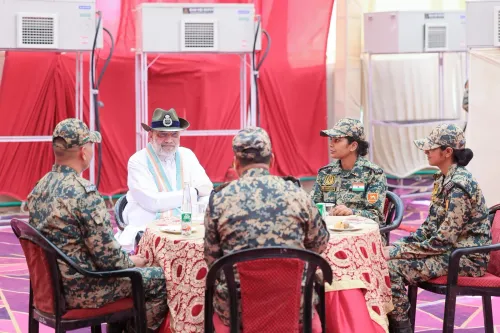
Amit Shah Inspects Harami Nala Border Zone in Gujarat

Synopsis
Union Home Minister Amit Shah visited the Harami Nala area in Gujarat on 29 May 2026, inspecting security arrangements and meeting BSF personnel at one of the India-Pakistan border's most strategically sensitive tidal creek sectors.
Key Takeaways
Union Home Minister Amit Shah visited the Harami Nala area on the India-Pakistan border in Gujarat on 29 May 2026 .
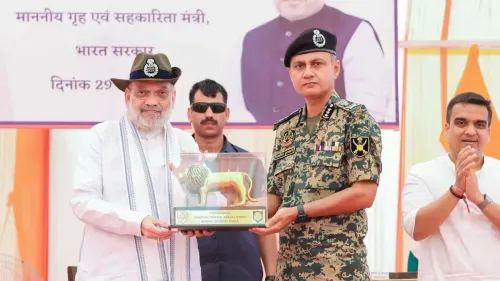
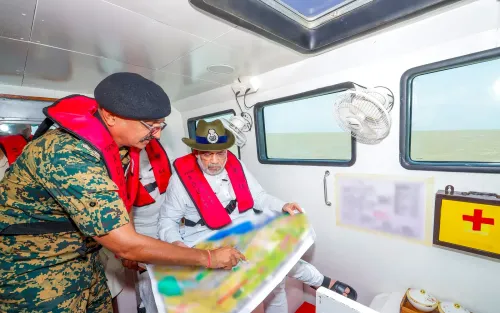
He inspected the security framework and interacted directly with BSF personnel deployed at the site.
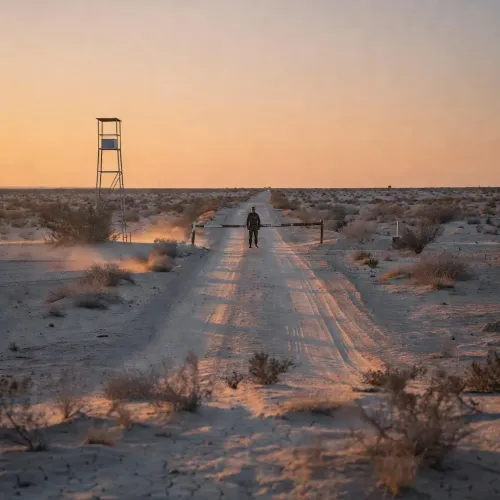
Harami Nala is a tidal creek in the Rann of Kutch , known as a sensitive zone for infiltration and smuggling due to its shifting terrain.
The BSF has guarded India's international borders since December 1965 ; fencing in the Gujarat sector began in the 1980s .
Such ministerial visits form part of routine oversight of the western frontier and have historically preceded infrastructure or technology announcements.
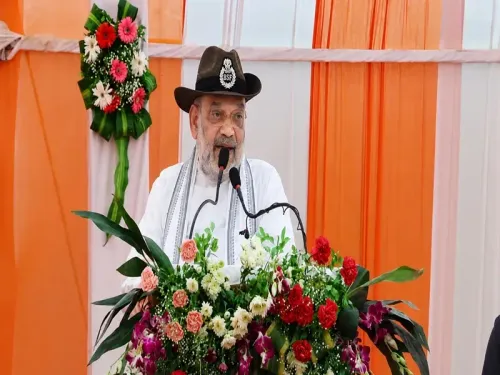
Union Home Minister Amit Shah on Friday, 29 May 2026, visited the Harami Nala area along the India-Pakistan border in Gujarat, inspecting the security framework and meeting with Border Security Force (BSF) personnel deployed at one of the western frontier's most sensitive sectors.
Context
The Harami Nala is a tidal creek cutting through the Rann of Kutch, forming a natural — and notoriously difficult to secure — segment of the India-Pakistan border. The creek's shifting tidal waters and marshy terrain make it a historically significant pressure point for infiltration and cross-border smuggling. Shah posted on X: 'Visited the Harami Nala Area, along the India-Pakistan border, a strategically significant and sensitive zone in Gujarat. Inspected the security framework and interacted with the BSF personnel.'
The visit comes at a time of heightened attention to India's western frontier, with the Gujarat-Pakistan border sector drawing sustained focus from the central government on infrastructure, surveillance, and troop welfare.
Policy Backdrop
The Border Security Force, raised in December 1965, has primary responsibility for guarding the India-Pakistan and India-Bangladesh borders. Physical fencing along the Gujarat sector of the India-Pakistan border began in the 1980s and has been progressively reinforced over subsequent decades through multiple phases of upgrades.
Ongoing projects in the region have focused on completing fencing in creek and desert sectors, installing surveillance equipment, and improving living and operational conditions for BSF troops deployed in extreme terrain. The Kutch sector's unique geography — tidal flats that flood seasonally — presents engineering and logistical challenges distinct from the land border further north.
Stakeholders and Impact
BSF personnel stationed along the Gujarat border operate in some of the country's harshest conditions, facing both the physical demands of tidal creek terrain and the operational challenge of monitoring a border that shifts with the tides. Periodic visits by senior political leadership are significant for troop morale and for direct assessment of ground-level requirements.
Residents of Kutch border villages, whose livelihoods and security are directly tied to the stability of this frontier, also stand as key stakeholders in any policy decisions that follow such inspections. The Home Minister's direct engagement with forward-deployed forces signals central government attention to both security and welfare dimensions of border management.
What's Next
Visits of this nature by the Union Home Minister to forward border locations have historically preceded or accompanied announcements on technology upgrades, additional outpost construction, or state-central coordination meetings on border infrastructure. Whether Shah's 29 May inspection leads to specific new measures for the Gujarat sector will become clearer in the days ahead.
The broader pattern of ministerial oversight of the western frontier reflects a continuity of central government focus on the Gujarat-Pakistan border that has deepened since the 1990s, with each successive phase adding new layers of physical and electronic security to a sector that remains strategically critical to India's internal security architecture.
Point of View
Using on-ground presence to signal political commitment to border security. The choice of the Harami Nala — a tidal creek sector that poses unique engineering and operational challenges — underscores the central government's focus on completing the most difficult segments of the India-Pakistan border security architecture. Such visits also serve a dual function: direct assessment of troop conditions and a visible assertion of state authority at a strategically sensitive node. The timing, amid broader attention to India's western borders, adds weight to the inspection beyond routine oversight.
NationPress
12 Oct 2026
Frequently Asked Questions
What is Harami Nala and why is it significant?
Harami Nala is a tidal creek in the Rann of Kutch, Gujarat, that forms part of the India-Pakistan border. Its shifting tidal waters and marshy terrain make it a historically sensitive zone for infiltration and cross-border smuggling, posing distinct security challenges compared to the land border.
Why did Amit Shah visit the Harami Nala area?
Union Home Minister Amit Shah visited the Harami Nala area on 29 May 2026 to inspect the security framework in place and interact with BSF personnel deployed at this sensitive border zone in Gujarat.
What is the BSF's role at the India-Pakistan border in Gujarat?
The Border Security Force (BSF), raised in December 1965, is the primary force guarding India's international borders, including the Gujarat sector of the India-Pakistan border, where it operates in challenging creek and desert terrain.
Has the India-Pakistan border in Gujarat been fenced?
Physical fencing along the India-Pakistan border in Gujarat began in the 1980s and has been progressively strengthened. Ongoing projects continue to address gaps in creek and desert sectors where terrain complicates construction.
Do Union Home Ministers regularly visit border areas?
Yes, periodic visits by the Union Home Minister to forward border locations form part of routine oversight of frontier security. These inspections are used to assess ground conditions, boost troop morale, and inform policy decisions on infrastructure and surveillance upgrades.