Andhra Pradesh CM Naidu calls El Nino a challenge, orders price controls
Synopsis
Andhra Pradesh is staring at a 50.7% rainfall deficit this Kharif season, and CM Chandrababu Naidu is treating El Nino not as a weather event but as a governance test — ordering price controls on essentials, directing rice stock releases, and putting a ₹190 crore horticulture fund on notice for rapid deployment.
Key Takeaways
Andhra Pradesh CM N.
Chandrababu Naidu reviewed the El Nino situation on 20 September via teleconference with officials, district collectors, and RSK personnel.
The state has recorded a 50.7% rainfall deficit ; worst-hit districts are Prakasam , Annamayya , and Sathya Sai .
Farming has commenced on only 79% of the planned 30.84 lakh hectares of Kharif land.
Price controls ordered on rice , onions , palm oil , and red gram ; rice stocks to be released into the market. ₹190 crore allocated for horticultural crop protection in high-risk RSK areas must be utilised optimally, Naidu said.
Naidu stressed that crop insurance payouts must reach farmers without delay in the event of crop loss.
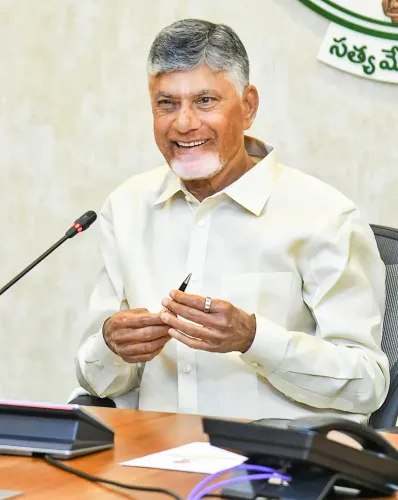
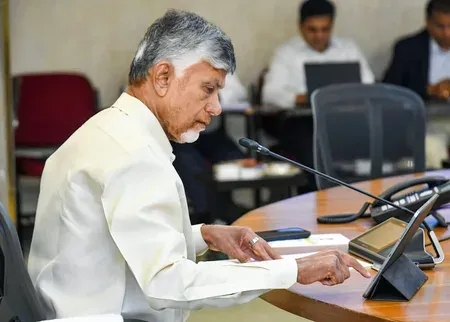
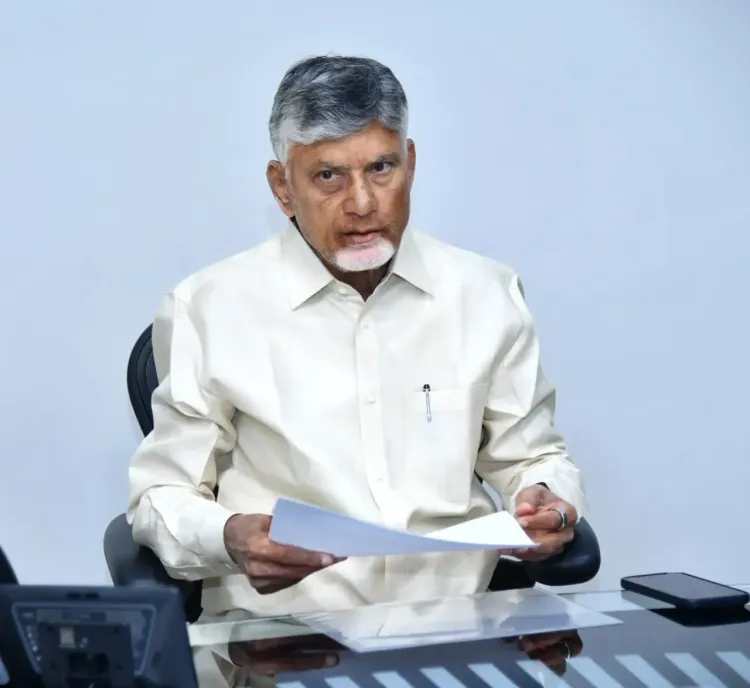
Andhra Pradesh Chief Minister N. Chandrababu Naidu on Sunday, 20 September convened a teleconference with senior officials, district collectors, and Rythu Seva Kendras (RSK) personnel to review the state's response to the El Nino phenomenon, calling it a challenge that demands short-term and medium-term action plans. The review, conducted from Amaravati, covered rainfall deficits, agricultural disruptions, and the risk of food-price inflation across Andhra Pradesh.
Rainfall Deficit and Crop Situation
A rainfall deficit of 50.7 per cent has been recorded across the state, with the worst shortfalls in Prakasam, Annamayya, and Sathya Sai districts. Against a Kharif season target of 30.84 lakh hectares, farming operations have commenced on only 79 per cent of the planned area. While pulse cultivation is described as satisfactory, oilseed cultivation remains critically low.
Naidu directed officials to promote crops based on market demand and urged focus on rain-fed crops and natural farming, noting that recent rains must be utilised effectively. He also stressed optimal use of the ₹190 crore allocated to protect horticultural crops in high-risk RSK zones.
Price Controls and Food Supply Measures
With El Nino threatening to disrupt food supply chains, Chief Minister Naidu issued orders to control the prices of rice, onions, palm oil, and red gram. Officials were directed to monitor rice stock levels and release reserves into the market to prevent price spikes. On onions, he said procurement from multiple regions is already underway, and longer-term cultivation needs to be encouraged to meet future demand.
'Decisions already taken to control the prices of palm oil and red gram must be implemented swiftly,' Naidu said. He also urged officials to promote kitchen gardens managed by self-help groups as a grassroots check on vegetable prices.
Farmer Support and Insurance Payouts
Naidu reassured farmers that crop insurance arrangements are in place and emphasised that payouts must reach affected cultivators without delay if crop losses occur. 'It is the government's responsibility to ensure that the public is not adversely affected when disasters occur. Situations where farmers and consumers face hardship due to official negligence must be avoided,' he said.
He also asked officials to coordinate with the Central Government on Minimum Support Prices (MSP) for eligible crops, and directed that adequate water and fodder be arranged for livestock in drought-stressed areas.
Coordination and Forward Plan
Naidu called on public representatives, administrative machinery, farmers, and water user associations to work in coordination. He noted that El Nino's impact extends beyond agriculture, affecting all sectors of the economy. 'We anticipated El Nino conditions well in advance. Everyone must work according to the pre-prepared action plan. While striving to protect farmers from the effects of El Nino, measures must also be taken to prevent price hikes,' he said.
With harvest season approaching, the pace of implementing these directives — particularly on price control and insurance disbursal — will determine how effectively Andhra Pradesh weathers one of the more severe rainfall deficits in recent Kharif cycles.
Point of View
And Naidu's teleconference signals the government is aware of the stakes. Yet the gap between issuing orders and ensuring farmers actually receive insurance payouts on time has historically been wide in Indian states. The push for kitchen gardens and self-help group vegetable plots is sensible at scale, but depends entirely on administrative follow-through at the district level — the same machinery Naidu warned not to be negligent. With pulse cultivation described as satisfactory but oilseeds lagging, the risk of import-driven price pressure on cooking oils is real and may test the Centre-state coordination Naidu has called for.
NationPress
20 Sept 2026
Frequently Asked Questions
What is the El Nino impact on Andhra Pradesh in 2026?
Andhra Pradesh has recorded a rainfall deficit of 50.7% this Kharif season due to El Nino, with Prakasam, Annamayya, and Sathya Sai districts among the worst affected. Farming has started on only 79% of the planned 30.84 lakh hectares, and oilseed cultivation remains particularly low.
What price control measures has CM Chandrababu Naidu ordered?
Naidu has directed officials to control prices of rice, onions, palm oil, and red gram. Rice stock levels are to be monitored and reserves released into the market, while onion procurement from multiple regions is already underway to stabilise prices.
How is the Andhra Pradesh government supporting farmers affected by El Nino?
The state has crop insurance in place and Naidu has insisted that payouts reach farmers promptly if crop losses occur. Officials have also been asked to coordinate with the Central Government on Minimum Support Prices and to ensure water and fodder availability for livestock.
How much has Andhra Pradesh allocated for horticultural crop protection?
₹190 crore has been allocated to protect horticultural crops in high-risk Rythu Seva Kendra areas. CM Naidu directed that these funds be utilised optimally and without delay.
What long-term steps did Naidu suggest to address El Nino effects?
Naidu called for short-term and medium-term action plans, promotion of rain-fed and natural farming, kitchen gardens managed by self-help groups to stabilise vegetable prices, and encouraging onion cultivation to meet future demand.