CM Naidu Reviews 'Talli-Bidda Express' Fleet for AP Mothers
Synopsis
Chief Minister Chandrababu Naidu on 20 July 2026 inspected the 'Talli-Bidda Express' — a fleet of 500 dedicated SUVs/MUVs for safe transport of pregnant women, new mothers and newborns in Andhra Pradesh, aimed at benefiting 2.75 lakh people annually.
Key Takeaways
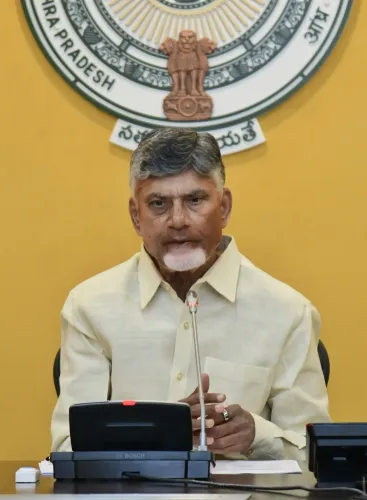
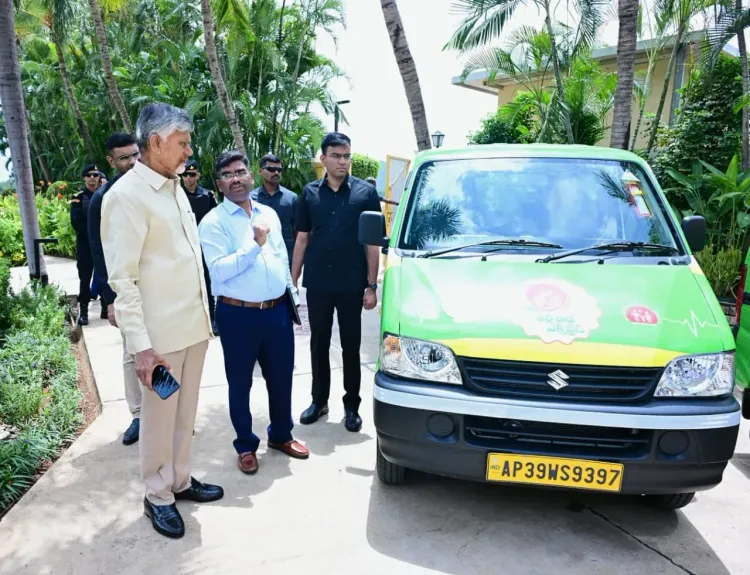
CM Nara Chandrababu Naidu inspected the 'Talli-Bidda Express' vehicles at the CM Camp Office on 20 July 2026 .
The scheme deploys 500 dedicated SUV/MUV vehicles across Andhra Pradesh for maternal and neonatal transport.
The programme is projected to benefit approximately 2.75 lakh people annually .
Vehicle design, safety standards, special amenities, and branding designs were reviewed and approved by the Chief Minister.
NHM officials and Veerapandian , Secretary of the Health and Family Welfare Department, attended the review.
The initiative builds on existing frameworks including the 108 ambulance service and National Health Mission support for obstetric transport.
The Chief Minister's Office of Andhra Pradesh announced on Monday, 20 July 2026 that Chief Minister Nara Chandrababu Naidu inspected the newly designed 'Talli-Bidda Express' vehicles at the CM Camp Office, a dedicated transport initiative for pregnant women, new mothers, and newborns across the state.
Context
The 'Talli-Bidda Express' (తల్లి–బిడ్డ ఎక్స్ప్రెస్ — 'Mother-Child Express') is a state government scheme to provide safe, quality transport for maternal and neonatal care. During the inspection, CM Naidu reviewed the vehicle design, safety standards, special amenities for mothers and infants, and the branding models developed for public awareness. He approved the branding designs, which are intended to reflect the government's welfare agenda and ensure citizens recognise the service.
A fleet of 500 dedicated SUV/MUV vehicles will be deployed across Andhra Pradesh, with the programme expected to benefit approximately 2.75 lakh people annually. Senior officials present included Veerapandian, Secretary of the Medical, Health and Family Welfare Department, along with department officials and National Health Mission (NHM) representatives.
Policy Backdrop
Maternal and neonatal transport has been a persistent policy focus at both the central and state levels. The National Health Mission, operational since 2013 in its current form, has long supported emergency obstetric transport and the Janani Shishu Suraksha Karyakram to promote institutional deliveries and reduce out-of-pocket costs for mothers. Andhra Pradesh has run the 108 ambulance service since 2007, which was later integrated with NHM support for emergency medical response.
The Talli-Bidda Express adds a dedicated, branded fleet layer to this existing infrastructure, distinguishing routine maternal transport from emergency ambulance services. State governments across India have increasingly adopted specialised referral transport to meet Sustainable Development Goal targets on maternal mortality, and Andhra Pradesh's initiative follows this national pattern.
Stakeholders and Impact
The primary beneficiaries are pregnant women, new mothers, and newborns — particularly those in remote or underserved areas who face barriers accessing institutional delivery facilities. Reliable, protocol-driven transport is a recognised factor in reducing maternal and infant mortality by ensuring timely access to skilled care.
The branding on the vehicles is designed to raise community awareness of the government's maternal welfare programmes, which officials say will help build trust and uptake among eligible beneficiaries. The involvement of NHM officials signals potential integration with centrally funded health infrastructure and funding streams.
What's Next
The phased deployment of all 500 vehicles across Andhra Pradesh's districts will be a key milestone to watch, along with data on district-wise coverage and how the fleet interfaces with existing services such as the 108 ambulance network and Arogya Suraksha mechanisms. The scale of the programme — targeting 2.75 lakh beneficiaries per year — will ultimately be measured by its effect on institutional delivery rates and maternal health outcomes in the state.
Point of View
Using visible, branded infrastructure to signal welfare commitment. Dedicated maternal transport fleets have become a competitive policy marker among state governments seeking to improve their maternal mortality ratio rankings. The NHM's involvement suggests the state is leveraging central funding to expand fleet capacity without fully absorbing the cost — a pattern seen in other southern states. The real test will be whether the 500 vehicles reach the last mile in remote mandals, where transport gaps have historically been most acute.
NationPress
20 Oct 2026
Frequently Asked Questions
What is the Talli-Bidda Express scheme in Andhra Pradesh?
Talli-Bidda Express is an Andhra Pradesh government initiative that deploys 500 dedicated SUV/MUV vehicles to provide safe, quality transport for pregnant women, new mothers, and newborns across the state.
How many people will benefit from the Talli-Bidda Express annually?
The scheme is expected to benefit approximately 2.75 lakh people every year, according to the Chief Minister's Office of Andhra Pradesh.
Who reviewed the Talli-Bidda Express vehicles?
Chief Minister Nara Chandrababu Naidu reviewed the vehicles at the CM Camp Office on 20 July 2026, inspecting design, safety standards, and branding before giving his approval.
How is the Talli-Bidda Express different from the 108 ambulance service?
While the 108 ambulance service handles emergency medical transport, the Talli-Bidda Express is a dedicated fleet for routine and referral transport of pregnant women, new mothers, and newborns, with specialised amenities and branding for maternal care.
Is the National Health Mission involved in the Talli-Bidda Express?
Yes, NHM officials participated in the review meeting, indicating the programme is likely to be integrated with or supported by centrally funded maternal health infrastructure.