Lt Gen Rajiv Ghai reviews combat readiness in Garhwal Sector amid Himalayan vigil
Synopsis
Three Indian Army commands simultaneously reviewed combat readiness on 22 November, with Lt Gen Rajiv Ghai inspecting forward areas in the Garhwal Sector, the Southern Command certifying 13 DGCA-licensed drone pilots at Babina, and the Kharga Corps assessing the Pine Division in Ambala — signalling a coordinated modernisation and vigilance push across India's northern and western frontiers.
Key Takeaways
Lt Gen Rajiv Ghai , Military Adviser to the NSCS , visited forward areas in the Garhwal Sector on 22 November 2026 to review operational posture and combat readiness.
The Army's Central Command emphasised sustained vigilance and continuous capability enhancement along the high-altitude Himalayan frontier.
Lt Gen Rajesh Pushkar reviewed the White Tiger Division at Babina Military Station , witnessing indigenous technologies and advanced Command and Control systems.
The Southern Command's first RPTO cadre produced 13 drone pilots holding DGCA-certified Remote Pilot Licences , strengthening indigenous drone capability.
Lt Gen Manish Luthra of the Kharga Corps (II Corps) , Ambala, reviewed the Pine Division under Western Command , observing drone manoeuvres and close-combat drills.
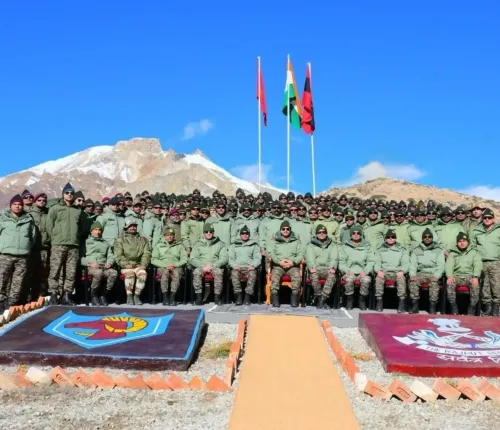
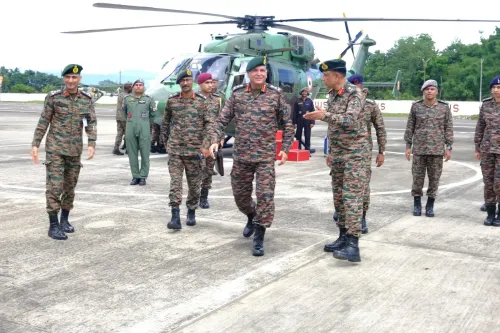
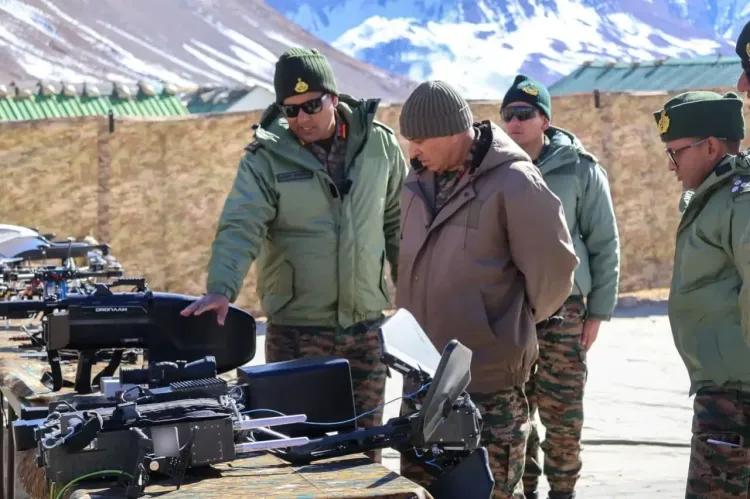
Lieutenant General Rajiv Ghai, Military Adviser to the National Security Council Secretariat (NSCS), on Sunday, 22 November 2026, visited forward areas in the Garhwal Sector to assess the operational posture, preparedness, and combat readiness of the Indian Army along the high-altitude Himalayan frontier. The visit underscores the military's sustained focus on border vigilance at a sensitive northern front.
What the Garhwal Visit Covered
According to the Army's Central Command, the visit offered an opportunity to evaluate the operational environment, prevailing security dynamics, and the force's readiness to meet emerging challenges. The command stated that Lt Gen Ghai emphasised 'the importance of sustained vigilance, continuous capability enhancement and maintaining a high state of operational readiness to effectively address all contingencies.' The Garhwal Sector, situated in the high Himalayas of Uttarakhand, forms a strategically sensitive part of India's northern border.
Southern Command Reviews White Tiger Division at Babina
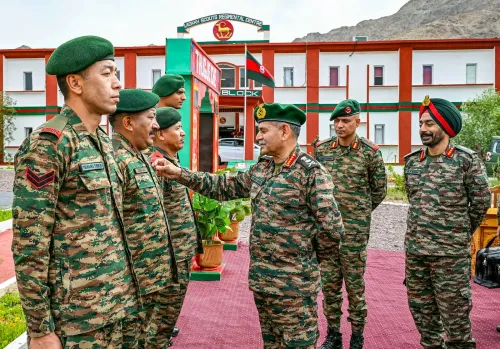
In a separate review, Lieutenant General Rajesh Pushkar, AVSM, VSM, General Officer Commanding-in-Chief of the Indian Army's Southern Command, visited the Babina Military Station in Uttar Pradesh to assess the operational preparedness of the White Tiger Division. Lt Gen Pushkar witnessed demonstrations of indigenous technologies, advanced Command and Control systems, automated decision-support tools, and technology-enabled training initiatives.
Notably, a significant milestone was recorded during the visit: the first Remote Pilot Training Organisation (RPTO) cadre of Southern Command, with 13 drone pilots earning DGCA-certified Remote Pilot Licences, according to a post by the Army's Western Command on X. The Southern Command said the Army Commander 'commended the Formation's focus on innovation, operational excellence, infrastructure development and troop welfare,' and exhorted all ranks to 'remain agile, adaptive and combat-ready.'
Kharga Corps Reviews Pine Division in Western Command
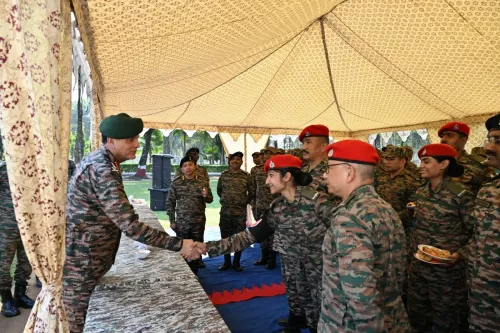
In yet another simultaneous development, Lieutenant General Manish Luthra, AVSM, General Officer Commanding of the Kharga Corps (II Corps), headquartered in Ambala, on Saturday reviewed the operational readiness of a formation of the Pine Division under the Western Command. The review included observation of technology-enabled battle drills, integrated drone manoeuvres, and close-combat skills exercises.
The Western Command stated that Lt Gen Luthra 'commended the commitment and professionalism of all ranks and exhorted them to maintain the highest standards of combat proficiency and operational readiness to respond effectively to any contingency.' The Western Command's message on X added that the formation demonstrated resolve 'to remain prepared across the spectrum of operations, adapt to the battlefields of tomorrow and secure decisive victory.'
Broader Significance: Drone Capability and Technological Edge
The concurrent reviews across three major commands — Central, Southern, and Western — reflect a coordinated push to enhance combat readiness and integrate next-generation technology into battlefield operations. The certification of 13 drone pilots under a DGCA-approved framework marks a concrete step in indigenising unmanned aerial capabilities within the Army's force structure. This comes amid ongoing modernisation efforts and heightened border sensitivity along both the northern and western frontiers.
All three reviews signal that the Indian Army is actively calibrating its readiness posture across geographically and operationally distinct theatres, with technology integration and troop proficiency at the forefront.
Point of View
And a visit by the NSCS Military Adviser, not a routine Corps Commander, elevates the political-strategic dimension of the review. The convergence of technology integration and high-altitude frontier vigilance in a single news cycle is unlikely to be coincidental.
NationPress
22 Nov 2026
Frequently Asked Questions
Who is Lt Gen Rajiv Ghai and why did he visit the Garhwal Sector?
Lt Gen Rajiv Ghai is the Military Adviser to the National Security Council Secretariat (NSCS). He visited forward areas in the Garhwal Sector on 22 November 2026 to assess the Indian Army's operational posture, security dynamics, and combat readiness along the high-altitude Himalayan frontier.
What is the Garhwal Sector and why is it strategically significant?
The Garhwal Sector is a high-altitude Himalayan frontier zone in Uttarakhand, forming part of India's sensitive northern border. It falls within a region closely monitored for Line of Actual Control (LAC) developments, making operational readiness reviews there particularly significant.
What milestone did the Southern Command achieve during the Babina review?
The Southern Command's first Remote Pilot Training Organisation (RPTO) cadre produced 13 drone pilots who earned DGCA-certified Remote Pilot Licences. The milestone was highlighted during Lt Gen Rajesh Pushkar's visit to Babina Military Station to review the White Tiger Division.
What did the Kharga Corps review in the Western Command?
Lt Gen Manish Luthra, GOC of the Kharga Corps (II Corps) headquartered in Ambala, reviewed the operational readiness of a formation of the Pine Division under Western Command. The review included technology-enabled battle drills, integrated drone manoeuvres, and close-combat skills.
What is the broader significance of these simultaneous Army reviews?
Three major commands — Central, Southern, and Western — conducted parallel readiness reviews on the same weekend, reflecting a coordinated push to integrate technology, certify new drone capabilities, and reinforce vigilance across India's northern and western frontiers. Analysts see the convergence as a deliberate signal of heightened operational preparedness.