Arunachal Cabinet clears recruitment reforms, Women Helpline-181 posts, healthcare measures
Synopsis
The Arunachal Pradesh Cabinet on 11 October cleared five significant decisions in a single sitting — standardising recruitment for 12 technical education posts under AICTE norms, creating 20 dedicated jobs to run the Women Helpline-181, revising grade pay for leprosy programme workers, and adding five new food safety officers. It is a rare multi-sector sweep that touches education, women's safety, public health, and food regulation simultaneously.
Key Takeaways
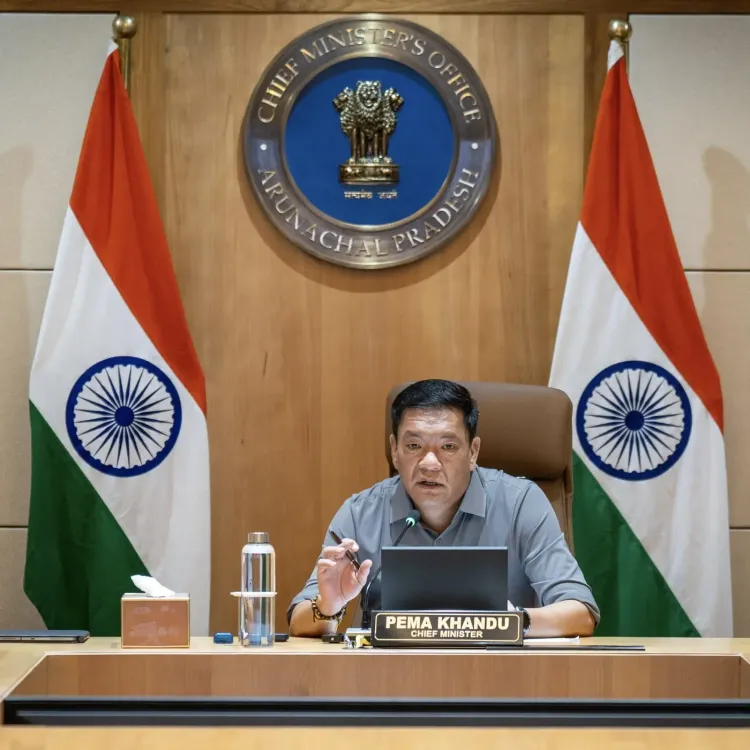
Arunachal Pradesh Cabinet , chaired by CM Pema Khandu , approved multiple decisions on 11 October 2026 .
Recruitment rules standardised for 12 post categories in government engineering and polytechnic colleges per AICTE Regulations, 2019 .
20 new posts created to operationalise the Women Helpline-181 scheme under Mission Shakti guidelines, providing round-the-clock support.
Grade pay enhanced for staff under the National Leprosy Elimination Programme (NLEP) to address wage parity concerns.
Five Food Safety Officer posts created to strengthen food-law enforcement and monitoring across the state.
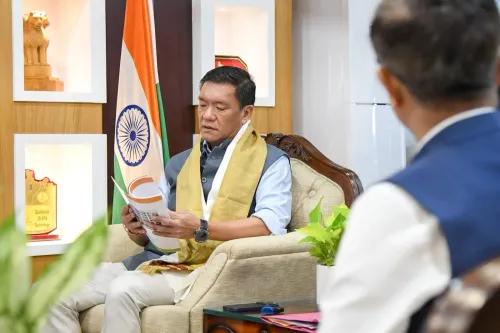
The Arunachal Pradesh Cabinet, chaired by Chief Minister Pema Khandu, on Sunday, 11 October 2026, approved a wide-ranging set of decisions covering technical education recruitment, women's emergency support, healthcare pay parity, and food-safety enforcement across the state. The decisions, confirmed by a senior official of the Chief Minister's Office, are aimed at strengthening institutional frameworks and improving public services in the northeastern state.
Technical Education Recruitment Standardised
In a move to bring uniformity to hiring in higher education, the Cabinet approved recruitment rules for 12 categories of posts in government engineering and polytechnic colleges, aligned with the All India Council for Technical Education (AICTE) Regulations, 2019. The revised rules are designed to ensure that appointments across all technical institutions in the state follow prescribed national standards, promoting transparency and consistency in the process. According to the official, the reform aims to strengthen the institutional framework of engineering and polytechnic colleges, ensuring merit-based selection.
Women Helpline-181 Gets Dedicated Staff
To bolster support for women facing distress and emergencies, the Cabinet approved the creation of 20 posts dedicated to operationalising the Women Helpline-181 scheme under the Mission Shakti guidelines. The helpline is a toll-free, round-the-clock service designed to provide immediate emergency assistance to women in crisis. Once staffed, it will connect women requiring help with medical care, shelter, legal aid, emotional support, and guidance. The new posts are expected to ensure the service functions effectively and reaches women facing violence or other difficult circumstances across Arunachal Pradesh.
Leprosy Programme Staff to Get Higher Grade Pay
In the healthcare sector, the Cabinet approved an enhancement of grade pay for various categories of posts under the National Leprosy Elimination Programme (NLEP) in the Department of Health and Family Welfare. The decision is intended to address longstanding wage parity concerns among programme employees. The state government expects the pay revision to improve staff morale and productivity, ultimately strengthening patient care and rehabilitation services under the NLEP — a programme central to the prevention, detection, and treatment of leprosy in the state.
Five New Food Safety Officers to Plug Enforcement Gaps
Separately, the Cabinet approved the creation of five posts of Food Safety Officer to address manpower shortages in the state's food-law enforcement machinery. The additional personnel are expected to improve monitoring of compliance with food-safety standards and enable more effective enforcement measures to protect public health. The move is also intended to support stronger implementation of laws and regulations governing food quality across Arunachal Pradesh. Notably, the state has faced capacity constraints in food regulation, making this expansion a practical step toward plugging enforcement gaps.
What This Signals for Governance in Arunachal
Taken together, Sunday's Cabinet decisions reflect a broad push to align state-level institutional practices with national regulatory frameworks — from AICTE norms in education to Mission Shakti in women's welfare. This comes amid increased central government focus on northeastern states under various flagship programmes. The effective implementation of these approvals, particularly the Women Helpline-181 and NLEP pay revision, will determine the on-ground impact of the Cabinet's intent. Officials are expected to issue formal orders and begin recruitment processes in the weeks ahead.
Point of View
But the real test is whether standardised recruitment rules will survive pressure from local hiring networks that have historically influenced appointments. The Women Helpline-181 posts matter only if the positions are filled quickly and the service reaches rural and remote parts of a geographically challenging state. On leprosy pay, the enhancement addresses a fairness concern but does not tackle the bigger question of whether NLEP staffing levels are adequate for Arunachal's dispersed population.
NationPress
11 Oct 2026
Frequently Asked Questions
What did the Arunachal Pradesh Cabinet decide on 11 October 2026?
The Cabinet approved five key measures: standardised recruitment rules for 12 post categories in engineering and polytechnic colleges, creation of 20 posts for the Women Helpline-181, enhanced grade pay for National Leprosy Elimination Programme staff, and five new Food Safety Officer posts. The decisions span technical education, women's welfare, healthcare, and food safety.
What is the Women Helpline-181 and how will the new posts help?
Women Helpline-181 is a toll-free, 24/7 emergency service that connects women in distress to medical care, shelter, legal aid, and emotional support. The 20 newly approved posts, created under Mission Shakti guidelines, are meant to fully operationalise the service and ensure effective, round-the-clock response in Arunachal Pradesh.
Why were recruitment rules for engineering colleges revised?
The existing recruitment rules were not aligned with the All India Council for Technical Education (AICTE) Regulations, 2019, leading to inconsistency across institutions. The Cabinet approved revised rules for 12 post categories to standardise hiring, promote merit-based selection, and strengthen the institutional framework of government engineering and polytechnic colleges.
What is the National Leprosy Elimination Programme and why was the pay revised?
The National Leprosy Elimination Programme (NLEP) operates under the Department of Health and Family Welfare and focuses on prevention, detection, treatment, and rehabilitation for leprosy patients. The grade pay enhancement was approved to address wage parity concerns among programme employees, with the expectation of improving staff morale and quality of patient care.
Why has Arunachal Pradesh created new Food Safety Officer posts?
The state's food-law enforcement machinery had a manpower shortage that limited its ability to monitor food-safety compliance. Five new Food Safety Officer posts were approved to fill this gap, improve enforcement of food quality standards, and protect public health across Arunachal Pradesh.