PM Modi at 18th BRICS Summit: India's presidency built on 4 pillars
Synopsis
At the 18th BRICS Summit in New Delhi, PM Modi closed India's presidency by unveiling a BRICS Integrated Early Warning System for infectious diseases, a Startup Innovation Fund, a Digital Agriculture Network, and a Logistics Supply Chain Framework — marking one of the most outcome-dense BRICS chairs India has held, with an explicit push to make the bloc's benefits felt beyond government corridors.
Key Takeaways
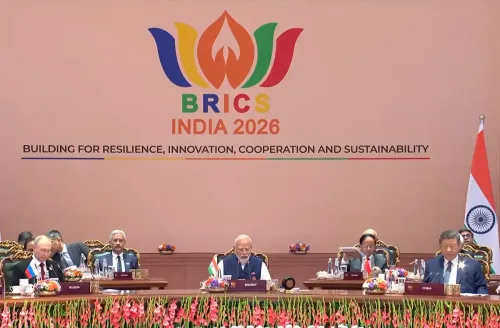
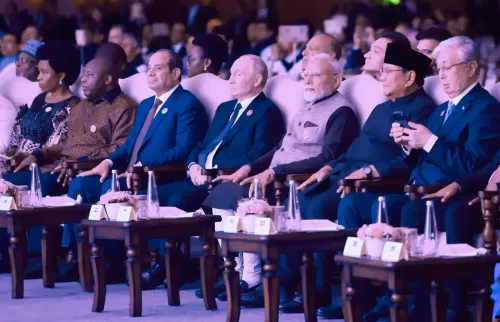
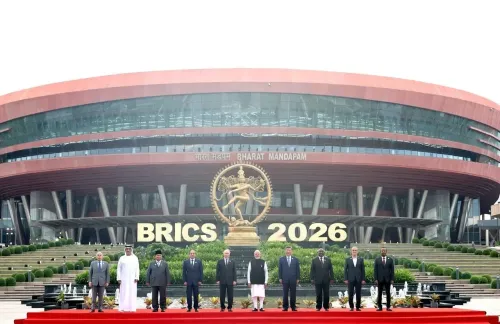
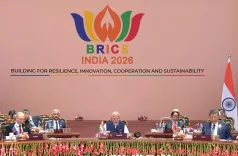
PM Narendra Modi delivered closing remarks at the 18th BRICS Summit at Bharat Mandapam, New Delhi on 13 September 2026 .
India's BRICS presidency was anchored in four pillars: resilience, innovation, cooperation, and sustainability .
A BRICS Integrated Early Warning System for infectious diseases and Early Warning Data Integration Guidelines for disaster management were agreed upon by member states.
India proposed a BRICS Startup Innovation Fund and a BRICS Incubator Network to connect startups across member nations.
A BRICS Network on Digital Agriculture was launched to align AI, geospatial technology, and digital public infrastructure with farmers' needs.
Modi stressed that BRICS cooperation should extend to entrepreneurs, farmers, researchers, women, youth, and ordinary citizens — not just governments.
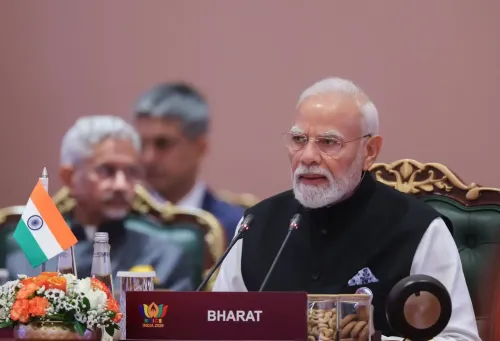
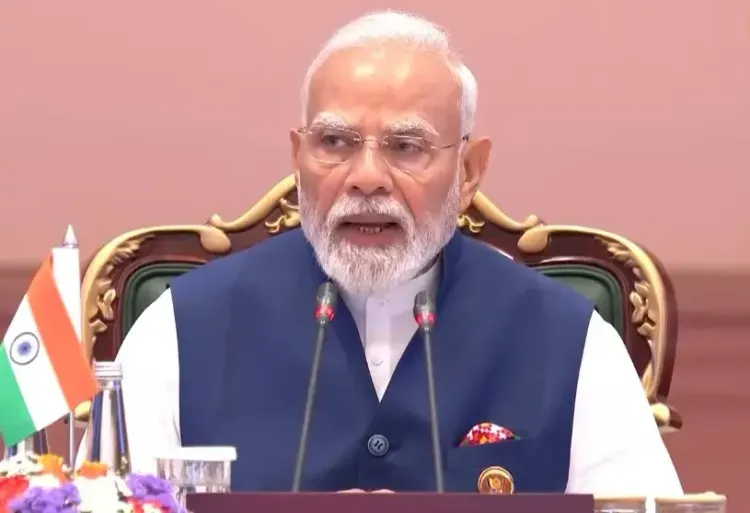
Prime Minister Narendra Modi on Sunday, 13 September 2026, outlined India's stewardship of the BRICS grouping at the 18th BRICS Summit held at Bharat Mandapam, New Delhi, saying the presidency was anchored in four core pillars: resilience, innovation, cooperation, and sustainability. In his closing remarks, Modi said India had worked to translate the shared vision of member states into what he called a 'win-win collaboration'.
India's Four-Pillar Framework
Elaborating on the summit theme — 'Resilience, Innovation, Cooperation and Sustainability: Shaping the Future for Inclusive Global Growth' — Modi said each pillar was designed to address real-world challenges facing the bloc's member nations. He expressed satisfaction that, with the backing of all member states, India was able to operationalise these priorities during its presidency term.
'Today, this group is uniting different continents, cultures, and development journeys. This is a testament to the growing strength, attraction, and unwavering confidence of BRICS,' Modi said in his address.
Early Warning Systems and Disaster Preparedness
On the resilience front, Modi highlighted that global crises — from pandemics to climate change disasters and supply chain disruptions — had demonstrated that no emergency remains confined to a single region in today's interconnected world. In response, the summit reached a consensus on a BRICS Integrated Early Warning System for the prevention of and response to infectious diseases.
Additionally, Early Warning Data Integration Guidelines were formulated specifically for disaster management. The BRICS Logistics Supply Chain Cooperation Framework was also announced, aimed at making global supply chains 'more reliable and resilient', according to the Prime Minister.
Innovation: Startups, Digital Agriculture, and Technology Inclusion
Under the innovation pillar, Modi announced the BRICS Incubator Network, which will connect startups and incubators across member states. India also proposed a BRICS Startup Innovation Fund to promote scalable and innovative solutions across the bloc.
A BRICS Network on Digital Agriculture was introduced to create new opportunities for farmers by aligning artificial intelligence (AI), geospatial technology, and digital public infrastructure with on-ground agricultural needs. Modi also sounded a note of caution on technology access, saying, 'The weaponisation of technology and critical minerals can create hurdles for common growth. Therefore, we have emphasised inclusivity in the adoption of technology.'
People-Centric Cooperation
A recurring thread in Modi's address was the intent to extend BRICS cooperation beyond inter-governmental engagement. He said India had made deliberate efforts to bring entrepreneurs, farmers, researchers, women, youth, and ordinary citizens into the orbit of BRICS collaboration.
'We want our entrepreneurs, farmers, researchers, women, youth, and ordinary citizens to become active participants as well,' the Prime Minister said. This people-first framing is notable as BRICS continues its post-expansion phase, having admitted several new member states in recent years.
Context and What Comes Next
India assumed the BRICS chairship at a time of heightened global tensions, making the summit's focus on multilateral resilience particularly timely. The outcomes — including the early warning system, disaster management guidelines, startup fund, and digital agriculture network — are expected to be formalised in a summit declaration. The next BRICS chair will take forward these frameworks, with India having set a broad agenda for inclusive, technology-driven global cooperation.
Point of View
A startup fund, digital agriculture, logistics frameworks — but the harder test is implementation across a bloc that spans vastly different political systems and development stages. The emphasis on people-centric cooperation is a smart framing, yet BRICS has historically struggled to move from summit declarations to verifiable ground-level impact. With the bloc now larger and more diverse post-expansion, keeping consensus cohesive on technology inclusivity and critical minerals — areas where member-state interests frequently diverge — will be the real measure of whether India's presidency leaves a lasting institutional footprint.
NationPress
13 Sept 2026
Frequently Asked Questions
What were the key outcomes of the 18th BRICS Summit held in New Delhi?
The 18th BRICS Summit, hosted by India at Bharat Mandapam on 13 September 2026, produced several concrete outcomes including a BRICS Integrated Early Warning System for infectious diseases, Early Warning Data Integration Guidelines for disaster management, a BRICS Logistics Supply Chain Cooperation Framework, a BRICS Incubator Network, a proposed BRICS Startup Innovation Fund, and a BRICS Network on Digital Agriculture.
What are the four pillars of India's BRICS presidency?
India's BRICS presidency was built on four pillars: resilience, innovation, cooperation, and sustainability. These pillars formed the basis of the summit theme — 'Resilience, Innovation, Cooperation and Sustainability: Shaping the Future for Inclusive Global Growth'.
What is the BRICS Integrated Early Warning System?
The BRICS Integrated Early Warning System is a new mechanism agreed upon by BRICS member states for the prevention of and coordinated response to infectious diseases. It was announced by PM Modi at the 18th BRICS Summit, alongside Early Warning Data Integration Guidelines for disaster management.
What did PM Modi say about technology and critical minerals at the BRICS Summit?
Modi warned that the 'weaponisation of technology and critical minerals can create hurdles for common growth' and said BRICS had therefore placed emphasis on inclusivity in technology adoption. This signals concern over geopolitical leveraging of strategic resources among member and non-member states alike.
How does India's BRICS presidency aim to involve ordinary citizens?
PM Modi said India had made deliberate efforts to ensure BRICS cooperation is not limited to governments, explicitly calling for entrepreneurs, farmers, researchers, women, youth, and ordinary citizens to become active participants. Initiatives like the BRICS Startup Innovation Fund and the Digital Agriculture Network are designed to extend benefits to these groups.