Karnataka BJP's R. Ashoka slams Congress over SIR, EVM complaints
Synopsis
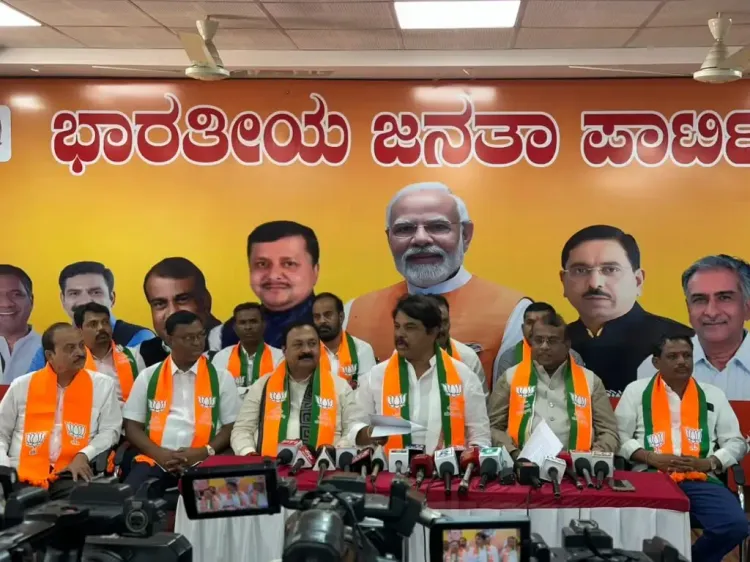
Karnataka Opposition Leader R. Ashoka turned the SIR voter-roll debate into a full-scale political offensive on Saturday, accusing Congress of selective outrage — accepting election results when it wins, crying foul when it loses. With 24.17 lakh names removed in Karnataka alone and the NDA sweeping all four Legislative Council seats conducted on ballot papers, Ashoka's press conference was a pointed challenge to Congress's anti-SIR narrative.
Key Takeaways
Ashoka , Karnataka BJP Opposition Leader, accused Congress of raising EVM and SIR objections selectively — only after electoral defeats.
Congress has lost more than 59 Assembly elections between 2014 and 2025 , according to Ashoka.
In Karnataka , approximately 24.17 lakh deceased voter names and 7.14 lakh duplicate registrations have been removed under the SIR process.
NDA won all four seats in the recent Karnataka Legislative Council elections held via ballot papers, which Ashoka cited to counter EVM fraud claims.
Ashoka challenged Congress president Mallikarjun Kharge to dissolve Assemblies in the four Congress-ruled states and seek fresh mandates before calling for Lok Sabha dissolution.
Bengaluru 's average voter turnout over twenty years has not exceeded 45–48% , compared to 80–90% in rural Karnataka, which Ashoka linked to dual voter registrations.
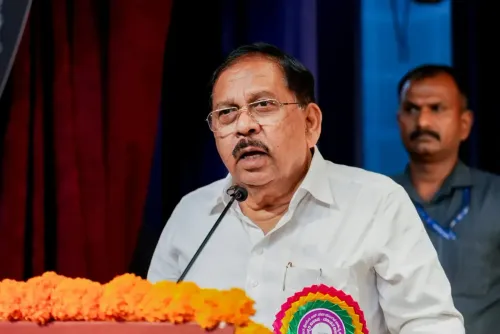
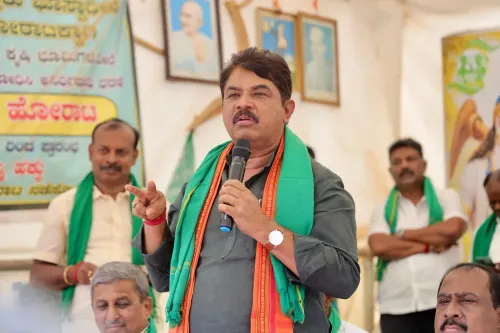
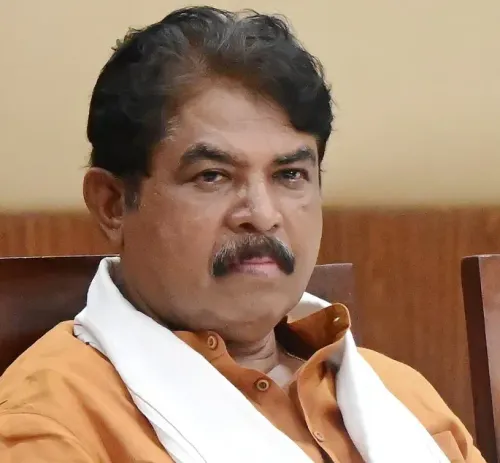
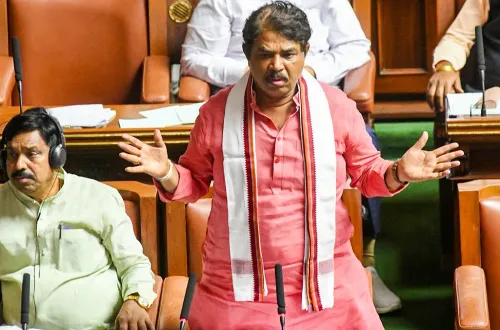
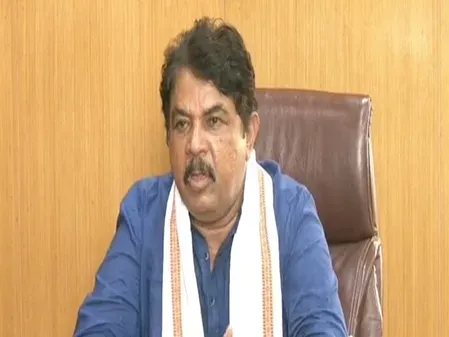
Senior Bharatiya Janata Party (BJP) leader and Karnataka Opposition Leader R. Ashoka on Saturday, 31 October launched a sharp attack on the Congress party at a press conference in Hubballi, accusing it of raising objections to Electronic Voting Machines (EVMs) and the Special Intensive Revision (SIR) of voter rolls only when it loses elections. Ashoka's remarks came amid the BJP's ongoing nationwide public awareness campaign on the SIR process.
The Double-Standard Charge
Ashoka argued that Congress applies an inconsistent standard to electoral processes. 'When Congress loses elections, its leaders suddenly remember that EVMs are faulty. However, when they win, everything is fine,' he said, pointing to states such as Karnataka, Telangana, and Himachal Pradesh — where Congress currently governs — as examples where the party has accepted electoral outcomes without protest.
He alleged that Congress has lost more than 59 Assembly elections between 2014 and 2025, yet consistently attributes defeats to the election process rather than to internal factors. 'The Election Commission or the voter list is not the reason for its defeats; the primary reason is the lack of public confidence in Rahul Gandhi's leadership,' Ashoka said, adding that without a leadership change, the party has no political future.
What the SIR Process Involves
Ashoka defended the SIR exercise as a constitutionally sound effort to clean up voter rolls. He stated that in Karnataka alone, the names of approximately 24.17 lakh deceased voters have been removed, and around 7.14 lakh duplicate voter registrations have been detected and struck off. He questioned the Congress narrative, noting that no clear statistics have been presented on how many legitimate votes were allegedly deleted illegally.
'Even now, if a name is missing from the voter list or any correction is needed, there is an opportunity to file an appeal. Yet Congress is creating confusion among people without any basis,' he said. He also cited Congress leader Kapil Sibal as having previously acknowledged problems of deceased and duplicate names in voter lists, arguing that the SIR process addresses precisely those concerns.
Bengaluru Voter List and Migrant Registrations
Ashoka drew attention to the specific challenge posed by Bengaluru's demographic composition. He noted that the city's average voter turnout over the past twenty years has not exceeded 45–48 per cent, compared to 80–90 per cent in rural Karnataka. He attributed part of this to voters from Andhra Pradesh, Tamil Nadu, Maharashtra, and other states who are registered both in Bengaluru and in their native constituencies.
'In the Padmanabhanagar Assembly constituency alone, there are about one lakh voters,' he noted. He argued that removing such dual registrations upholds the constitutional principle of 'one person, one vote,' which he described as a core duty of the Election Commission of India (ECI).
Ballot Paper Elections and the NDA Result
Ashoka used the outcome of the recently held Karnataka Legislative Council elections to counter Congress's EVM allegations. He said the National Democratic Alliance (NDA) won all four seats in those elections, which were conducted using ballot papers rather than EVMs. 'If, as Congress claims, irregularities are happening in EVMs, shouldn't Congress have won in the ballot elections? Congress has lost even on ballot paper,' he said pointedly.
Broader Political Allegations
Ashoka also took aim at Congress National President Mallikarjun Kharge's reported call for the dissolution of the Lok Sabha and fresh general elections. He challenged Congress to first dissolve the Assemblies of the four states it currently governs and seek fresh mandates there before advising Prime Minister Narendra Modi on elections. He further alleged that some Congress leaders had threatened to instigate unrest 'on the model of Nepal and Bangladesh,' calling such statements 'against the spirit of democracy.' He also alleged, without providing specifics, that there were questions about 'external forces, including funding from America' influencing the party — claims that Congress has not responded to in this context.
As the SIR debate intensifies ahead of upcoming electoral cycles, both parties are expected to sharpen their positions on voter roll integrity and EVM reliability.
Point of View
7.14 lakh duplicates — are significant and deserve independent verification, but by leading with Congress's 59-loss record and the ballot-paper NDA sweep, he shifts the burden of proof onto the opposition. What mainstream coverage misses is that the SIR debate is not purely partisan: legitimate concerns about due process in voter deletions exist regardless of which party raises them, and the absence of clear appeal statistics cuts both ways. The real accountability question is whether the ECI has provided adequate public notice and grievance redress — something neither side has fully addressed.
NationPress
1 Nov 2026
Frequently Asked Questions
What is the SIR process that Karnataka BJP is defending?
The Special Intensive Revision (SIR) is an Election Commission of India exercise to clean up voter rolls by identifying and removing deceased voters, duplicate registrations, and names of those who have relocated. In Karnataka alone, according to R. Ashoka, approximately 24.17 lakh deceased voter names and 7.14 lakh duplicate entries have been removed under this process.
Why is Congress opposing the SIR process?
Congress has alleged that the SIR process has led to the illegal removal of legitimate voters from electoral rolls, potentially disenfranchising citizens. The party has linked this concern to broader allegations about electoral integrity. BJP's R. Ashoka has countered that Congress has provided no clear statistics on how many valid votes were actually deleted.
How many Assembly elections has Congress lost since 2014, according to BJP?
According to R. Ashoka, Congress has lost more than 59 Assembly elections between 2014 and 2025. He argued that these defeats predate the SIR process and reflect a lack of public confidence in the party's leadership rather than any electoral irregularity.
What was the outcome of the Karnataka Legislative Council elections cited by Ashoka?
The NDA won all four seats in the recently held Karnataka Legislative Council elections, which were conducted using ballot papers rather than EVMs. Ashoka used this result to challenge Congress's claim that EVM manipulation is responsible for its electoral losses.
What did Ashoka say about Mallikarjun Kharge's call for fresh Lok Sabha elections?
Ashoka dismissed Congress president Mallikarjun Kharge's reported call for Lok Sabha dissolution and fresh general elections, challenging Congress to first dissolve the Assemblies of the four states it currently governs — including Karnataka, Telangana, and Himachal Pradesh — and win fresh mandates there before advising Prime Minister Narendra Modi on national elections.