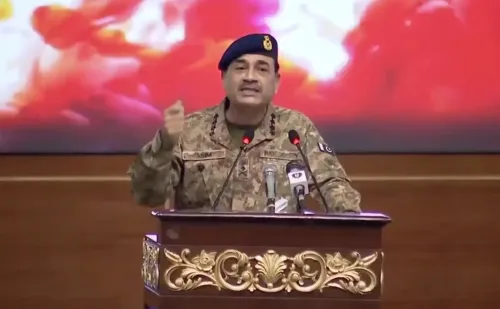
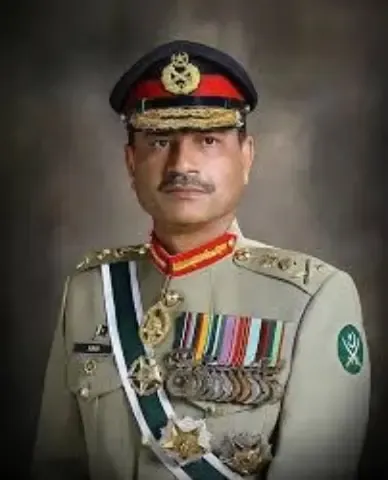
Asim Munir set to command all Pakistan forces under sweeping new law
Synopsis
Pakistan's Asim Munir is not merely the army chief anymore — he is on the verge of commanding all three armed services, influencing nuclear appointments, and acting as the country's primary diplomatic face, all through Parliament rather than a coup. The method is new; the outcome of unchecked military dominance is not.
Key Takeaways
Pakistan's National Assembly has approved legislation giving Army Chief Asim Munir centralised command over the army, navy, and air force .
The bills extend the 27th Constitutional Amendment passed late last year and await Senate passage and presidential assent.
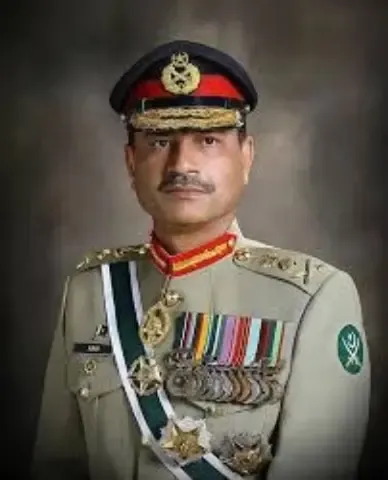
Munir was elevated to the rank of Field Marshal in May 2025 , only the second Pakistani officer to hold that rank after Ayub Khan .
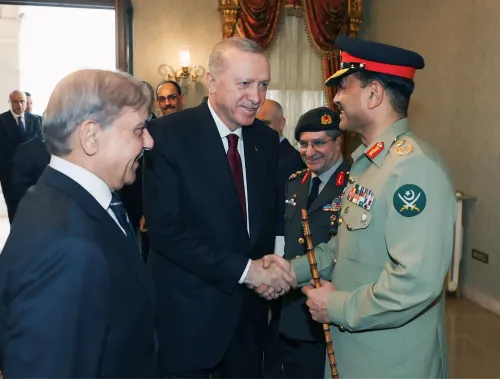
He has met US President Donald Trump , Chinese President Xi Jinping , and led a truce delegation to Iran — roles conventionally held by civilian ministers.
Unlike Ayub Khan (1958) , Zia-ul-Haq (1977) , and Pervez Musharraf (1999) , Munir's power consolidation has come through parliamentary legislation, not a coup.
His reported feud with former PM Imran Khan dates to 2019 , when Munir was removed as ISI chief during Khan's tenure.
Pakistan Army chief General Asim Munir is on the verge of assuming unprecedented military authority after the country's National Assembly approved legislation that would place him at the head of a centralised command over the army, navy, and air force, according to reports. The bills, which extend the constitutional overhaul begun with the 27th Amendment passed late last year, now await Senate passage and presidential assent before taking full effect.
The Scope of New Powers
Under the proposed framework, Munir would gain the authority to hire, retire, extend, or dismiss officers across all three armed services. He would also serve as the principal military adviser to the Prime Minister on national security and defence, and hold decisive influence over appointments within the nuclear and strategic command structure. These powers extend well beyond the conventional mandate of a Chief of Army Staff, effectively positioning him at the apex of both conventional and strategic military decision-making.
Munir was elevated to the rank of Field Marshal in May 2025 — only the second Pakistani officer to hold that distinction after Ayub Khan, and the first to simultaneously serve as Chief of Army Staff. What began as a constitutional amendment late last year now appears to be a deliberate, sequenced consolidation of authority.
Diplomat in Uniform
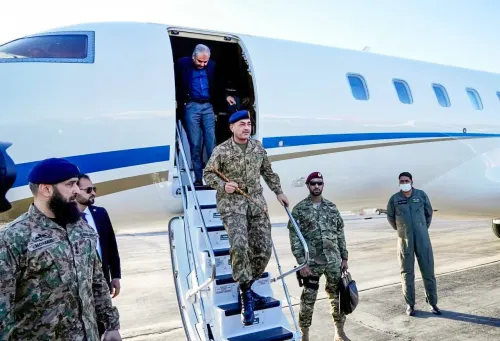
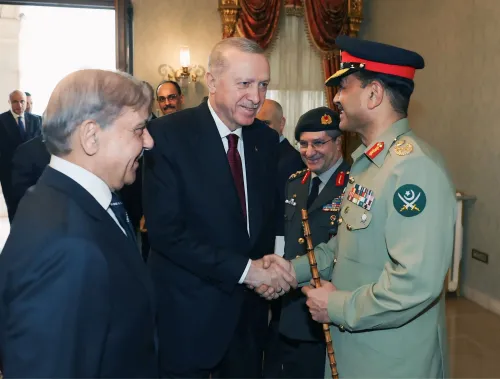
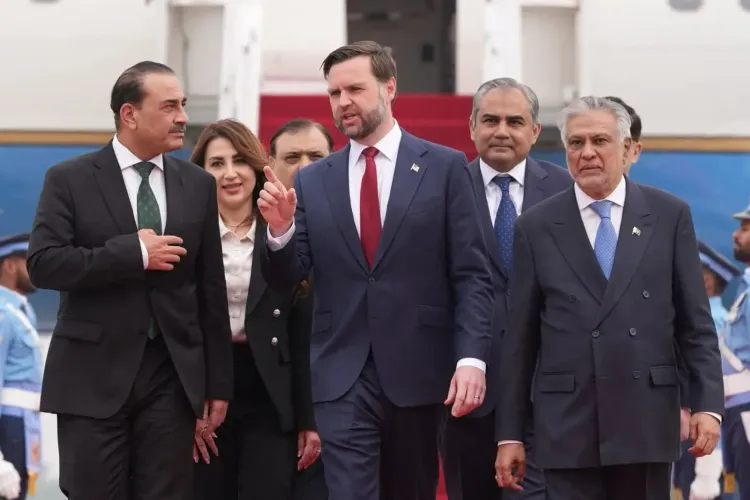
Munir's growing footprint extends beyond domestic governance. He has held meetings with US President Donald Trump and Chinese President Xi Jinping in Beijing, led a truce delegation to Iran, and represented Pakistan at regional security forums — roles that are conventionally led by foreign ministers and prime ministers. This visibility has prompted analysts to describe him as Pakistan's de facto chief interlocutor with the world, a role that Pakistani generals have historically wielded behind the scenes but rarely this openly.
A leading British newspaper had described his ascendancy as that of 'a king above all', tracing his evolution from soldier-diplomat to the singular most powerful figure in Islamabad's political landscape.
Historical Parallels and a Key Distinction
Critics and analysts have drawn comparisons with Pakistan's earlier episodes of military dominance. Ayub Khan seized power in 1958, Zia-ul-Haq in 1977, and Pervez Musharraf in 1999 — each through outright coups, suspending constitutions and imposing martial law. Munir's trajectory is markedly different: his accumulation of authority has been routed through parliamentary legislation and civilian institutions, lending it a veneer of constitutional legitimacy that his predecessors lacked.
This distinction is significant. By working through Parliament rather than against it, Munir has insulated himself from charges of illegality while ensuring his expanded powers carry the backing of the state's legal framework. Notably, Pakistan is once again grappling with crushing external debt, deep political polarisation, and a civilian leadership that has struggled to assert itself — conditions that have historically preceded military intervention.
The Imran Khan Factor
Domestically, Munir is widely seen as the force behind the continued incarceration of former Prime Minister Imran Khan. The feud between the two reportedly dates to 2019, when Munir — then a Lieutenant General — was removed as ISI chief while Khan was Prime Minister. That personal and institutional rupture has since hardened into an open confrontation, with Khan's Pakistan Tehreek-e-Insaf (PTI) bearing the brunt of a sustained crackdown.
What Comes Next
The legislation still requires passage through the Senate and the formal assent of Pakistan's President before it becomes law. Once enacted, observers say it could formalise a system in which the military governs through constitutional mechanisms while civilian leaders serve largely as figureheads. Whether Munir eventually assumes a formal executive role or continues to wield power from Rawalpindi, his current authority already makes him the most dominant figure in Pakistan's political order.
Point of View
He has neutralised the most potent charge that undid his predecessors: illegitimacy. But the structural outcome is the same: a military figure commanding the armed forces, shaping foreign policy, and reportedly directing political prosecutions, while elected civilians manage optics. India's strategic establishment will be watching closely — a Pakistan where the army chief holds nuclear command authority and doubles as the country's chief diplomat is a qualitatively different negotiating partner than one with a functioning civilian foreign policy. The question is not whether this is a coup in slow motion, but whether Pakistan's institutions have the capacity or the will to reverse it.
NationPress
6 Oct 2026
Frequently Asked Questions
What new powers is Asim Munir set to receive under Pakistan's new legislation?
Under the proposed legislation approved by Pakistan's National Assembly, Asim Munir would head a centralised command over the army, navy, and air force, with authority to hire, retire, or extend officers across all branches. He would also serve as the principal military adviser to the Prime Minister and hold decisive influence over nuclear and strategic command appointments.
How does Munir's rise differ from past Pakistani military rulers?
Unlike Ayub Khan (1958), Zia-ul-Haq (1977), and Pervez Musharraf (1999) — who all seized power through coups — Munir has consolidated authority through parliamentary legislation and constitutional amendments. This gives his expanded powers a legal foundation that earlier military rulers lacked.
What is the significance of Munir's Field Marshal rank?
Munir was elevated to Field Marshal in May 2025, making him only the second Pakistani officer to hold the rank after Ayub Khan, and the first to simultaneously serve as Chief of Army Staff. The rank, combined with the new legislative powers, places him at the apex of Pakistan's military hierarchy.
What is the status of the legislation and what happens next?
The bills have been approved by Pakistan's National Assembly and now require passage through the Senate followed by presidential assent before they become law. The legislation builds on the 27th Constitutional Amendment passed late last year.
What is the reported connection between Asim Munir and Imran Khan's imprisonment?
Munir is widely reported to be the driving force behind the incarceration of former Prime Minister Imran Khan. Their feud reportedly began in 2019 when Munir, then a Lieutenant General, was removed as ISI chief while Khan was Prime Minister.