Assam Seals $71.9 mn ADB Deal to Revive 102 Wetlands
Synopsis
Assam has signed a $71.9 million ADB loan agreement to restore at least 102 beels, strengthen fisheries value chains, build climate-resilient fishing practices, and guarantee 40% women's representation in Beel Management Committees — combining conservation with rural livelihood generation across the state.
Key Takeaways
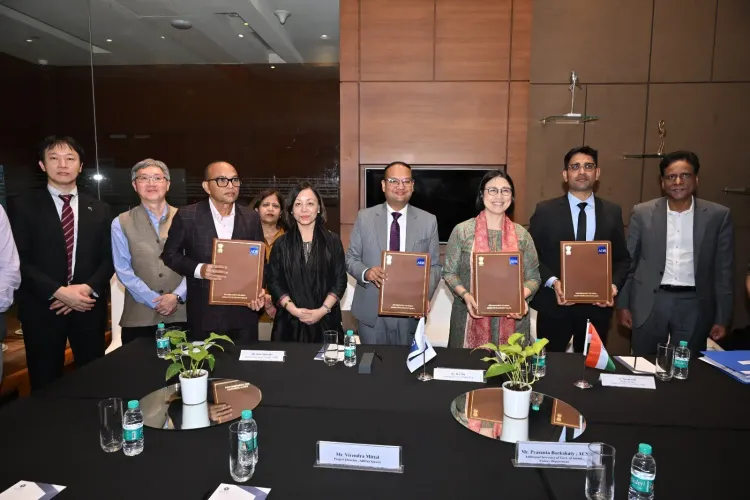
The Government of Assam , Government of India , and Asian Development Bank have signed a $71.9 million loan agreement for wetland and fisheries transformation.
The project will cover community-based management of at least 102 beels (oxbow lakes and floodplain wetlands) across Assam.
Interventions include wetland ecosystem restoration, enhanced fish production, and strengthened fisheries value chains with modern processing and marketing infrastructure.
Fish farmers will receive better inputs and training in climate-resilient fishing practices .
At least 40% women's representation is mandated in Beel Management Committees, embedding gender inclusion in project governance.
Himanta Biswa Sarma called the initiative 'a significant step towards conserving Assam's natural wealth while creating sustainable economic opportunities for thousands of families.'
A $71.9 million loan agreement signed between the Government of Assam, the Government of India, and the Asian Development Bank (ADB) is set to transform how the state manages its fisheries-rich wetlands — and the rural communities that depend on them. The Assam Sustainable Wetland and Integrated Fisheries Transformation Project, announced on Tuesday, November 3, 2026, targets at least 102 beels — the oxbow lakes and floodplain wetlands that are the beating heart of Assam's freshwater fisheries.
What the $71.9 Million Will Actually Do
The agreement is not a cheque for conservation in the abstract. It funds a specific chain of interventions: community-based management frameworks for 102 beels, active restoration of wetland ecosystems, enhanced fish production, and the strengthening of fisheries value chains from catch to market. Fish farmers will receive better inputs, modern processing and storage infrastructure, and training in climate-resilient fishing practices — a direct acknowledgement that Assam's wetlands are acutely vulnerable to shifting monsoon patterns and extreme flood events.
The ADB has been a consistent financing partner in India's Northeast, backing infrastructure, agriculture, and natural resource management across the region. This project fits a clear institutional pattern: combining ecological restoration with measurable livelihood outcomes so that conservation pays its own way in rural economies.
40% Women's Quota in Beel Management Committees
One of the project's most structurally significant provisions is the mandated 40% women's representation in Beel Management Committees — the local bodies that will oversee day-to-day management of each wetland site. That quota is not incidental. It continues an established pattern in Assam's development schemes of embedding gender participation requirements directly into governance structures, rather than treating women's empowerment as a downstream benefit. The project explicitly targets livelihood diversification for women in rural fishing communities.
Himanta's Conservation-Economy Equation
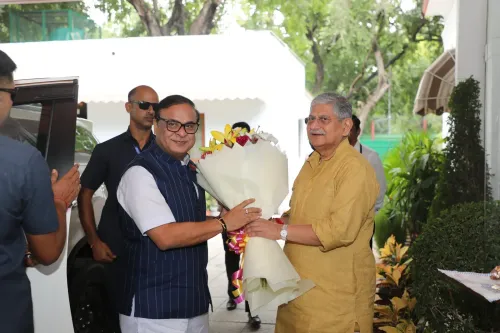
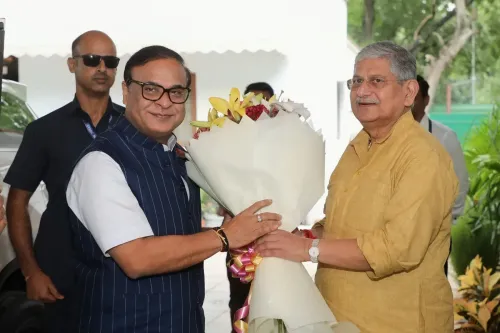
Chief Minister Dr. Himanta Biswa Sarma, who has overseen Assam's state development agenda since 2021, welcomed the agreement as 'a significant step towards conserving Assam's natural wealth while creating sustainable economic opportunities for thousands of families.' The framing is deliberate — Sarma has consistently positioned environmental stewardship and rural economic growth as complementary rather than competing priorities in the state's pitch to multilateral lenders and the Centre alike.
The project also sits within a longer national arc. India's Blue Revolution scheme, launched in 2015, set the template for integrating fisheries development with infrastructure investment and fishers' welfare — and state-level ADB partnerships like this one effectively extend that logic into specific ecosystems and communities.
What Rolls Out Next
The immediate test will be the formation and activation of Beel Management Committees across all 102 targeted sites. Official indicators on fish production volumes and wetland restoration benchmarks will follow as the project matures — and those numbers will determine whether the $71.9 million delivers the ecological and economic returns both the state government and ADB are staking their reputations on.
For the fishing families of rural Assam, the loan agreement is only the beginning. The beel is where the proof will come.
Point of View
A region where climate vulnerability and rural poverty intersect acutely. The mandatory 40% gender quota in Beel Management Committees signals a structural, rather than merely aspirational, commitment to women's inclusion — a governance design choice that distinguishes this project from earlier fisheries programmes. For Chief Minister Himanta Biswa Sarma, the deal reinforces Assam's positioning as a proactive multilateral partner, using ADB financing to advance both the state's biodiversity agenda and its rural livelihood metrics ahead of future electoral cycles. The Blue Revolution's national policy lineage gives this initiative Centre-state coherence, but actual impact will hinge on how effectively those 102 Beel Management Committees are constituted and empowered on the ground.
NationPress
3 Nov 2026
Frequently Asked Questions
What is the Assam Sustainable Wetland and Integrated Fisheries Transformation Project?
It is a $71.9 million ADB-funded initiative signed between the Government of Assam, Government of India, and the Asian Development Bank to restore wetland ecosystems, promote community-based management of at least 102 beels, enhance fish production, and strengthen fisheries value chains in Assam.
What are beels in Assam?
Beels are oxbow lakes and floodplain wetlands found across Assam. They are vital freshwater fisheries habitats that support both biodiversity and the livelihoods of rural fishing communities in the state.
What is the role of the Asian Development Bank in this project?
The Asian Development Bank is providing the $71.9 million loan for the project. ADB has been an active multilateral lender in India's Northeast, supporting infrastructure, agriculture, and natural resource management initiatives in the region.
How does the project support women's empowerment in Assam?
The project mandates at least 40% women's representation in Beel Management Committees — the local governance bodies overseeing each wetland site — and also targets livelihood diversification for women in rural fishing communities.
What will the $71.9 million ADB loan fund in Assam's fisheries sector?
The loan will fund community-based wetland management across 102 beels, wetland ecosystem restoration, improved fish production, modern processing and marketing infrastructure, better farming inputs, and training in climate-resilient fishing practices for fish farmers.