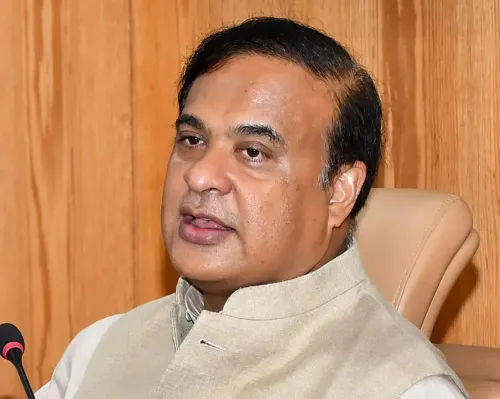
Assam CM Himanta Biswa Sarma bets on bamboo to power state's bio-economy

Synopsis
Assam CM Himanta Biswa Sarma has branded bamboo the state's 'green gold' — and is now backing that claim with a full value-chain push spanning cultivation, processing, and export. With Assam already among India's top bamboo producers, the real test is whether the state can do what others haven't: turn bamboo abundance into a structured, globally competitive industry.
Key Takeaways
Assam CM Himanta Biswa Sarma on 2 July announced bamboo as a strategic pillar of the state's bio-economy .
Sarma described bamboo as 'green gold', linking it to rural livelihood generation and sustainable industrial growth .
Assam is among India's leading bamboo-producing states , giving it a natural resource advantage.
Target industries include furniture, handicrafts, construction materials , and engineered bamboo products .
The government is deploying policy support, skill development, market linkages , and infrastructure investment to build the value chain.
The initiative aligns with India's national bio-economy framework and the state's green industry goals.
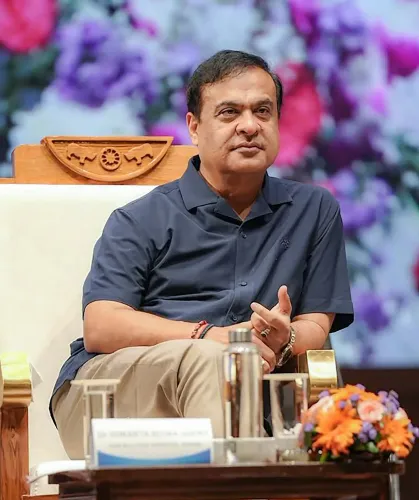
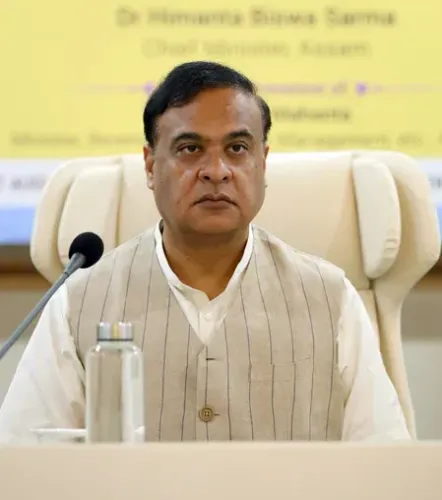
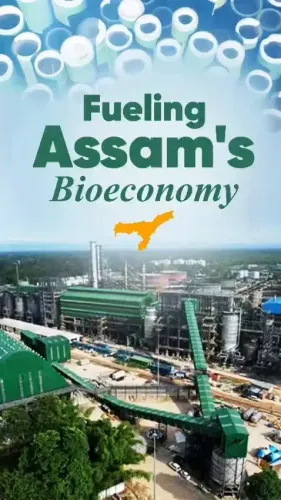
Assam Chief Minister Himanta Biswa Sarma on Wednesday, 2 July declared that bamboo will be a cornerstone of the state's bio-economy strategy, citing its potential to generate rural livelihoods and build a sustainable industrial base. The remarks, shared via a social media post, came alongside a promotional video positioning bamboo as 'A Resource for the Future'.
The 'Green Gold' Vision
Sarma described bamboo as 'green gold' capable of reshaping Assam's rural economy. 'Bamboo will play a big role in powering Assam's bio economy,' he said. 'We are working towards improving the livelihoods of our bamboo farmers in unlocking the value of this green gold — creating rural livelihoods and driving sustainable industry. This value chain will turn our strength into global economic opportunity,' he added.
Assam is among India's leading bamboo-producing states, endowed with vast natural bamboo reserves that the government now seeks to convert into structured economic output.
Building the Bamboo Value Chain
The state government has been actively promoting bamboo cultivation, processing, and entrepreneurship as instruments of rural employment generation and farmer income enhancement. Sarma indicated that a strengthened bamboo value chain would catalyse the establishment of industries manufacturing furniture, handicrafts, construction materials, engineered bamboo products, and other eco-friendly alternatives to conventional raw materials.
Policy support, skill development programmes, market linkages, and infrastructure investment are being deployed to enable farmers and entrepreneurs to tap into rising global demand for sustainable products. Notably, engineered bamboo is gaining traction internationally as a substitute for steel and timber in construction — a market Assam is now positioning itself to serve.
Alignment with Green Industry Goals
The bamboo push dovetails with Assam's broader commitment to green industry promotion and reduced dependence on conventional raw materials. The initiative also contributes to India's national bio-economy framework, which has been expanding in policy priority in recent years as climate commitments intensify.
By leveraging its natural bamboo endowment, Assam aims to emerge as a major hub for bamboo-based manufacturing while widening export opportunities in global sustainable-product markets.
What Comes Next
The government's focus now shifts to execution — translating policy intent into measurable outcomes for bamboo farmers and small enterprises. Industry observers note that past bamboo promotion schemes across Indian states have often stalled at the processing and market-linkage stage, making infrastructure investment and buyer connectivity critical to Assam's success. How effectively the state converts its bamboo abundance into a structured, export-ready value chain will determine whether the 'green gold' vision delivers on its promise.
Point of View
Appealing simultaneously to farmers, environmentalists, and investors. But Assam is not the first Indian state to call bamboo 'green gold'; several northeastern and central Indian states have made similar proclamations with limited follow-through. The critical gap has consistently been processing infrastructure and market linkage, not raw material availability. Until Assam demonstrates functional buyer networks and processing clusters — rather than promotional videos — the 'green gold' framing risks becoming another aspirational headline without industrial weight behind it.
NationPress
1 Oct 2026
Frequently Asked Questions
What is Assam's bamboo bio-economy initiative?
It is a state government push to build a structured bamboo value chain spanning cultivation, processing, and export, aimed at generating rural livelihoods and establishing sustainable industries. Chief Minister Himanta Biswa Sarma announced the initiative on 2 July, describing bamboo as 'green gold' for Assam's economy.
Why is bamboo significant for Assam's economy?
Assam is one of India's leading bamboo-producing states, giving it a natural resource base that the government wants to convert into industrial output. Bamboo-based industries covering furniture, construction materials, handicrafts, and engineered products are seen as both employment generators and eco-friendly alternatives to conventional raw materials.
What sectors will the bamboo value chain support?
The value chain is expected to support industries producing furniture, handicrafts, construction materials, engineered bamboo products, and other sustainable alternatives. The government is also targeting global export markets where demand for sustainable products is growing.
How is the Assam government supporting bamboo farmers and entrepreneurs?
The government is providing policy support, skill development programmes, market linkages, and infrastructure investment to help farmers and entrepreneurs benefit from bamboo. The aim is to connect producers to both domestic and global buyers of sustainable products.
How does this initiative fit into India's broader bio-economy goals?
The Assam bamboo push aligns with India's national bio-economy framework, which has gained policy priority as the country deepens its climate commitments. By positioning itself as a bamboo manufacturing hub, Assam aims to contribute to national bio-economy targets while expanding its own export footprint.