Assam Budget 2026: 15,000 Circuit km Power Grid Expansion Planned
Synopsis
The Chief Minister's Office of Assam announced plans under AssamBudget2026 to add 15,000 circuit km of power lines, 120 substations, and 20,000 high-voltage transformers over five years, while targeting a reduction in T&D losses from 13.4% to 8%.
Key Takeaways
15,000 circuit km of new transmission and distribution lines to be added over the next five years.
120 new substations will be commissioned as part of the grid expansion plan.
20,000 high-voltage distribution transformers are to be installed to improve last-mile supply.
Assam has already reduced T&D losses to 13.4% , below the national average of approximately 15–17%.
The new target is to cut T&D losses further to 8% , which would place Assam among India's top-performing states on grid efficiency.
The announcements were made as part of #AssamBudget2026 highlights shared on 10 July 2026.
The Chief Minister's Office of Assam, in a post on 10 July 2026, outlined sweeping electricity infrastructure targets under #AssamBudget2026, committing to a five-year expansion of the state's transmission and distribution network and a renewed push to slash power losses to among the lowest in India.
What Was Announced
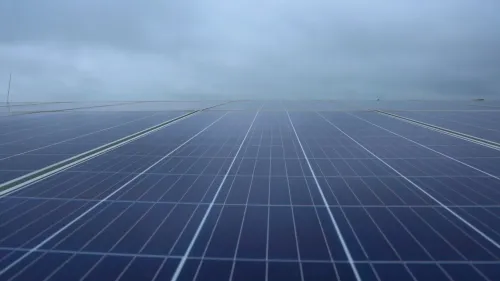
The Government of Assam has set a target to add 15,000 circuit kilometres of transmission and distribution lines, commission 120 new substations, and install 20,000 high-voltage distribution transformers over the next five years. The announcement, shared as part of the state's budget highlights, signals one of the most ambitious grid-expansion drives the northeastern state has undertaken in recent memory. Together, these additions are intended to improve reliability, reduce outages, and support rising electricity demand across both urban and rural areas of Assam.
Context: Losses Already Below National Average
The state government noted that it has already reduced transmission and distribution (T&D) losses to 13.4%, which it says is below the national average. The new target is to bring those losses down further to 8% over the coming years. T&D losses — which include both technical inefficiencies in the grid and commercial losses from theft or billing gaps — are a long-standing challenge for Indian power utilities, and cutting them directly improves a utility's financial health and the quality of supply to consumers.
Policy Backdrop
Assam was among the states that participated in the Ujwal DISCOM Assurance Yojana (UDAY), launched in 2015, which aimed to restructure power distribution companies and reduce aggregate technical and commercial losses nationally. The state's progress in pushing losses below the national average — estimated at around 15–17% across India — reflects a sustained effort over several budget cycles. Broader central government schemes have also channelled funds to northeastern states specifically to support 24x7 power supply targets and eventual integration of renewable energy sources into the grid.
Stakeholders and Impact
Assam's households, agricultural consumers, and industrial users stand to benefit most directly from the planned infrastructure additions. New substations and high-voltage distribution transformers typically reduce voltage fluctuations and localised outages, which have historically been a concern in parts of the Northeast. State power utilities — responsible for procurement, transmission, and last-mile distribution — will be the primary agencies executing the programme, with their financial performance closely linked to how quickly T&D losses can be reduced toward the 8% goal.
What's Next
Progress will be tracked through annual state budget presentations and utility performance reports, where the pace of circuit-kilometre additions and substation commissioning will be key indicators. Any central grants under ongoing power-sector reform programmes are likely to supplement state capital expenditure earmarked for these targets. If the 8% loss target is achieved, Assam would rank among the better-performing states in India on grid efficiency — a significant milestone for a region that has historically lagged in power infrastructure development.
Point of View
Substations, and transformers — suggests a capital expenditure roadmap rather than an aspirational statement, which is a meaningful distinction. If executed, it would mark a structural shift for a northeastern state that has historically been a recipient of central support rather than a grid-efficiency benchmark. The real test will be whether annual budget allocations and utility capacity keep pace with the targets set today.
NationPress
10 Jul 2026
Frequently Asked Questions
What are the key electricity targets in Assam Budget 2026?
Assam Budget 2026 targets the addition of 15,000 circuit km of transmission and distribution lines, 120 new substations, and 20,000 high-voltage distribution transformers over the next five years.
What is Assam's current transmission and distribution loss percentage?
According to the Chief Minister's Office of Assam, the state has reduced its T&D losses to 13.4%, which is below the national average.
What is Assam's target for reducing power losses?
The Government of Assam has set a target to reduce transmission and distribution losses from 13.4% to 8% over the next few years.
What is UDAY and how does it relate to Assam's power sector?
UDAY, or Ujwal DISCOM Assurance Yojana, was a central government scheme launched in 2015 to restructure power distribution companies and reduce losses. Assam participated in the scheme, which contributed to the state's progress in cutting T&D losses below the national average.
How will Assam's power grid expansion benefit consumers?
Adding 15,000 circuit km of lines, 120 substations, and 20,000 high-voltage transformers is expected to reduce voltage fluctuations, lower outages, and improve the reliability of electricity supply for households, farmers, and industries across Assam.