Assam Cabinet eases land norms for private universities, schools

Synopsis
The Assam Cabinet, led by CM Himanta Biswa Sarma, has decided to ease land norms for private universities and schools to improve education access. Amendments will be introduced in the upcoming Budget Session of the state assembly.
Key Takeaways
The Assam Cabinet under CM Dr.
Himanta Biswa Sarma approved easing of land norms for private universities and schools on 24 June 2026 .
The decision aims to make quality education more accessible by reducing land-related entry barriers for private institutions.
Necessary legislative amendments will be introduced in the upcoming Assam Legislative Assembly Budget Session .
The move aligns with the National Education Policy 2020 push for greater private sector participation in education.
Private education providers and students in Assam are the primary stakeholders expected to benefit from the relaxation.
The precise revised land thresholds and eligibility criteria will be detailed when the amendment bills are tabled.
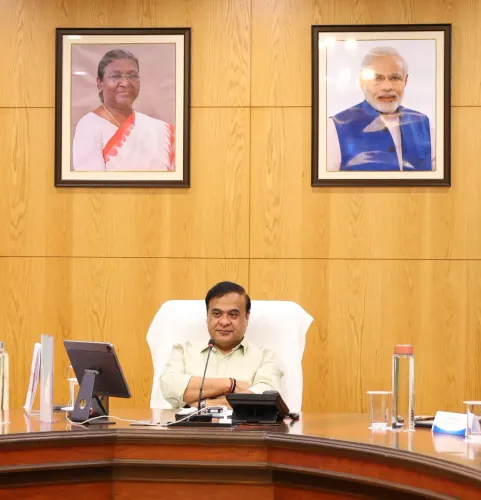
The Chief Minister's Office of Assam announced on Wednesday, 24 June 2026 that the Assam Cabinet, under the leadership of Chief Minister Dr. Himanta Biswa Sarma, has decided to ease land norms for private universities and schools, with necessary legislative amendments to be introduced in the upcoming Budget Session of the state assembly.
Context
The cabinet update, shared officially by the Chief Minister's Office, states the decision is aimed at 'making quality education more accessible.' The move targets regulatory barriers — specifically land-related requirements — that have historically constrained private institutions from setting up campuses in the state. Amendments to give effect to the relaxation will be tabled in the Budget Session.
Private universities and schools in Assam, as in most Indian states, are required to meet minimum land thresholds before receiving recognition or permission to operate. These norms have often been cited by education providers as a significant barrier to entry, particularly in land-scarce urban and semi-urban areas.
Policy Backdrop
The decision is broadly consistent with the thrust of the National Education Policy (NEP) 2020, which encouraged states to increase private sector participation in both school and higher education to improve access and quality. Assam has pursued incremental regulatory easing to attract private investment in education since 2021, when Dr. Himanta Biswa Sarma assumed office as Chief Minister.
Land-related relaxations are among the more direct levers available to state governments to reduce entry barriers for new institutions, particularly as student enrolment demand continues to grow across Assam. The move parallels similar steps taken by other states in the post-NEP 2020 period to attract private capital into the education sector.
Stakeholders and Impact
The primary beneficiaries of the policy change are expected to be private education providers — both university-level institutions and school chains — who have sought to expand their footprint in Assam but faced hurdles under existing land norms. For students and families, a larger supply of private institutions could translate into greater choice and, over time, improved access to quality education across the state.
The relaxation may particularly benefit aspirants in districts where public infrastructure is stretched and private alternatives are limited. However, the precise scope of the amendments — including revised minimum land thresholds and eligibility criteria — will become clear only once the bills are tabled in the Budget Session.
What's Next
All eyes are now on the Assam Legislative Assembly Budget Session, where the specific amendment bills will be introduced and debated. The exact contours of the new land norms — including any differentiation between universities and schools, or between urban and rural locations — are expected to be detailed in the draft legislation.
If passed, the amendments will require follow-up notifications from the relevant state departments specifying revised minimum land requirements. The pace at which new institutions actually come forward to seek recognition under the relaxed norms will be a key indicator of whether the policy achieves its stated goal of widening access to quality education in Assam.
Point of View
It gives the state government a reform credential ahead of the Budget Session while signalling continued openness to private capital in social infrastructure. The real test will lie in the specifics of the amendments: how substantially the thresholds are revised, and whether the relaxation is accompanied by quality-assurance safeguards. Without the latter, regulatory easing alone risks prioritising institutional quantity over the quality of education the cabinet has promised.
NationPress
24 Jun 2026
Frequently Asked Questions
What did the Assam Cabinet decide about private universities and schools?
The Assam Cabinet decided to ease land norms for private universities and schools, aiming to make quality education more accessible. Amendments to give effect to the decision will be introduced in the upcoming Budget Session of the state assembly.
When will the Assam land norm amendments for private schools be introduced?
The necessary amendments will be introduced in the upcoming Assam Legislative Assembly Budget Session. The exact date of the session has not been specified in the cabinet announcement.
Who led the Assam Cabinet decision on education land norms?
The decision was taken by the Assam Cabinet under the leadership of Chief Minister Dr. Himanta Biswa Sarma, who has held office since May 2021.
How does this decision relate to the National Education Policy 2020?
The National Education Policy 2020 encouraged states to increase private sector participation in school and higher education. Assam's move to ease land norms is consistent with that policy direction and broader trends across states seeking to attract private investment in education.
Who benefits from Assam easing land norms for private educational institutions?
Private education providers seeking to set up universities or schools in Assam stand to benefit directly, as land requirements have been a key entry barrier. Students and families could benefit over time through greater choice and improved access to quality education.